Every September, my kitchen turns into a shipping department. Casserole season starts the moment the first chili invite lands, and for the last twenty-odd falls I have hauled baked pasta, scalloped potatoes, and at least one green bean situation to potlucks in dishes that ranged from magnificent to mortifying. Somewhere around the fourteenth foil-tented pan that slid across a passenger seat, I admitted what my grandmother knew all along: foil is not a lid, and the dish you bake in matters almost as much as what goes inside it. Here is everything my team of willing taste-testers and I have learned about casserole dishes — the glass, the stoneware, the lids that lie, and the ones that actually get dinner there alive.
The Four Jobs Nobody Advertises
A casserole dish has to do four jobs, usually in the same afternoon. It has to bake evenly in a 350-degree oven. It has to look like it belongs on a table where somebody ironed a napkin. It has to survive a car ride across town without decorating the floor mats. And then, because there is always a scoop left over, it has to slide into the refrigerator without a ceremony of plastic wrap and prayers.
Most dishes are engineered for exactly one of those jobs and then quietly fail at the other three. That pretty ceramic number from the wedding registry bakes beautifully and chips on the trunk latch. The disposable aluminum pan survives the ride but announces “I gave up” the moment it hits the buffet. When I started grading dishes on all four jobs at once — my sister-in-law kept the scorecard, and she is not sentimental — the field sorted itself fast.
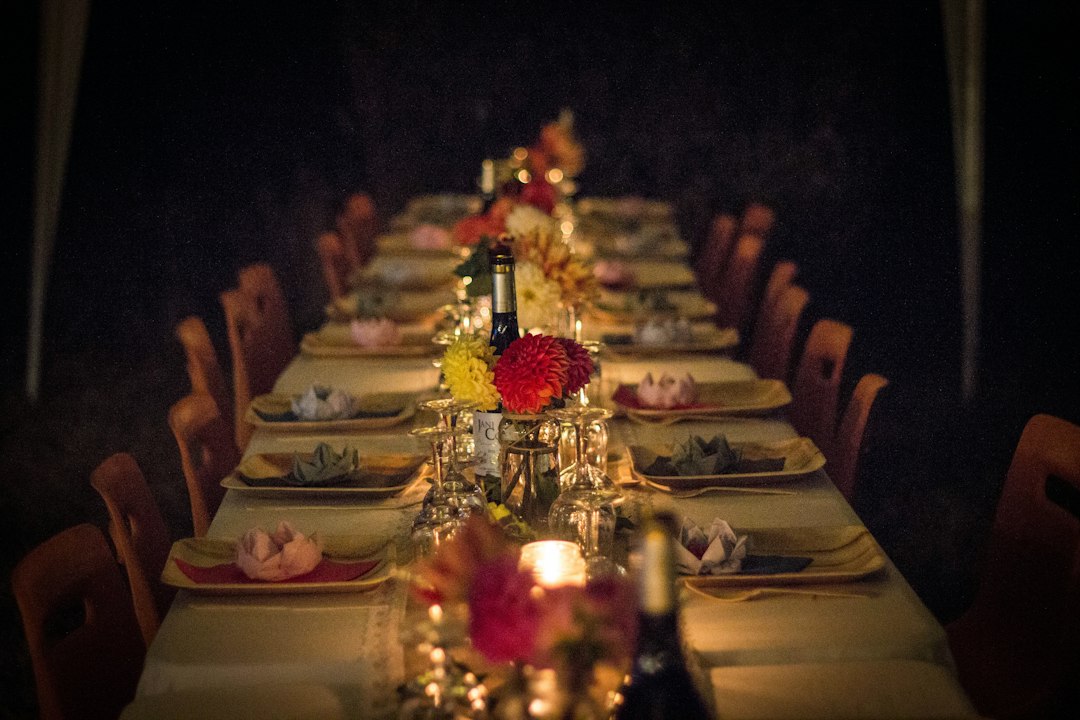
The second job: looking like it belongs where the napkins are ironed.
If you are rebuilding your fall kit from the ground up, start with the carrying pieces I outlined in my Sunday roast guide — the same logic applies here. A dish is a delivery system, not just a pan.
Glass Tells the Truth
My grandmother judged doneness through the side of the pan, and glass is the only material that lets you do it. You can watch the sauce bubble at the edges, see the noodles soften, catch the moment the cheese goes from pale to golden. For a weeknight mac and cheese or a pan of enchiladas, that visibility is worth more than any fancy glaze.
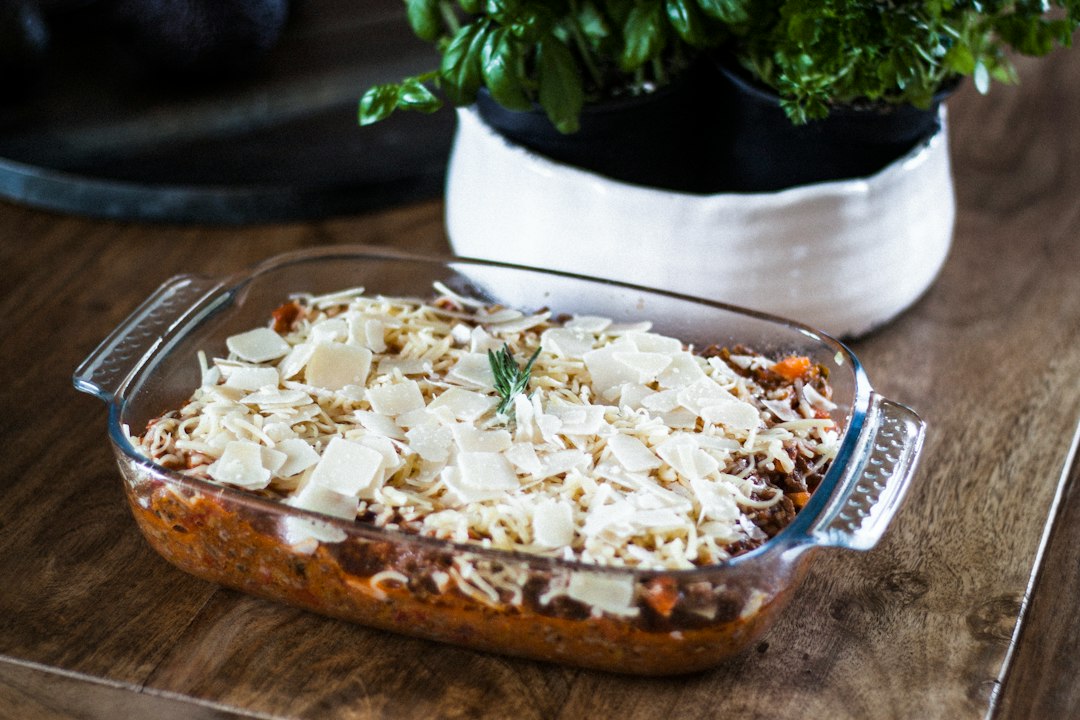
Visibility is glass’s superpower: you can grade the bubbling edges without ever lifting a lid.
The dish I reach for most is the deep Pyrex 9-by-13 with its own lid — the Pyrex Deep baking dish. The extra depth means a lasagna actually fits with all its layers, and the lid snaps on for the fridge and the ride home. Mine has survived six years of Sunday-night potatoes without a single chip.

For outfitting a first kitchen or a rental cabin, the two-piece Anchor Hocking set covers the two-quart and three-quart basics for less than one fancy dish. And if you want glass with a glass lid instead of plastic, the OXO 3-quart lidded dish seals tight enough to transport soup-thick casseroles without a single slosh — we tested it over speed bumps, which is a sentence I stand behind.
One rule, learned the loud way: glass hates temperature whiplash. Never set a hot dish on a wet counter, never move it from freezer to oven, and always set it on a dry towel or trivet when it comes out. My grandmother’s Pyrex measuring cup outlived three of my “upgrades” partly because she respected the material. There is a reason that logo has been in family kitchens since before any of us were born.
The inheritance logo: Pyrex glass has been riding in potluck stacks for generations.
Stoneware Shows Up Dressed
When the dish is going somewhere that matters — the church supper, the neighbor who watched your dog, Thanksgiving itself — I reach past the glass. Stoneware and porcelain heat more gently than glass, with fewer hot spots at the corners, and they hold heat so stubbornly that a casserole arrives still bubbling. The tradeoff is weight and price, and both are worth paying exactly once, because a good ceramic baker lasts decades.
The even-heating champion in our tests was Emile Henry’s 13-by-9 ceramic baker. We baked eleven pans of scalloped potatoes across three weekends, and it was the only dish that browned the corner pieces and the center at the same moment. Its French clay goes from freezer to oven safely, which is rarer than it should be.
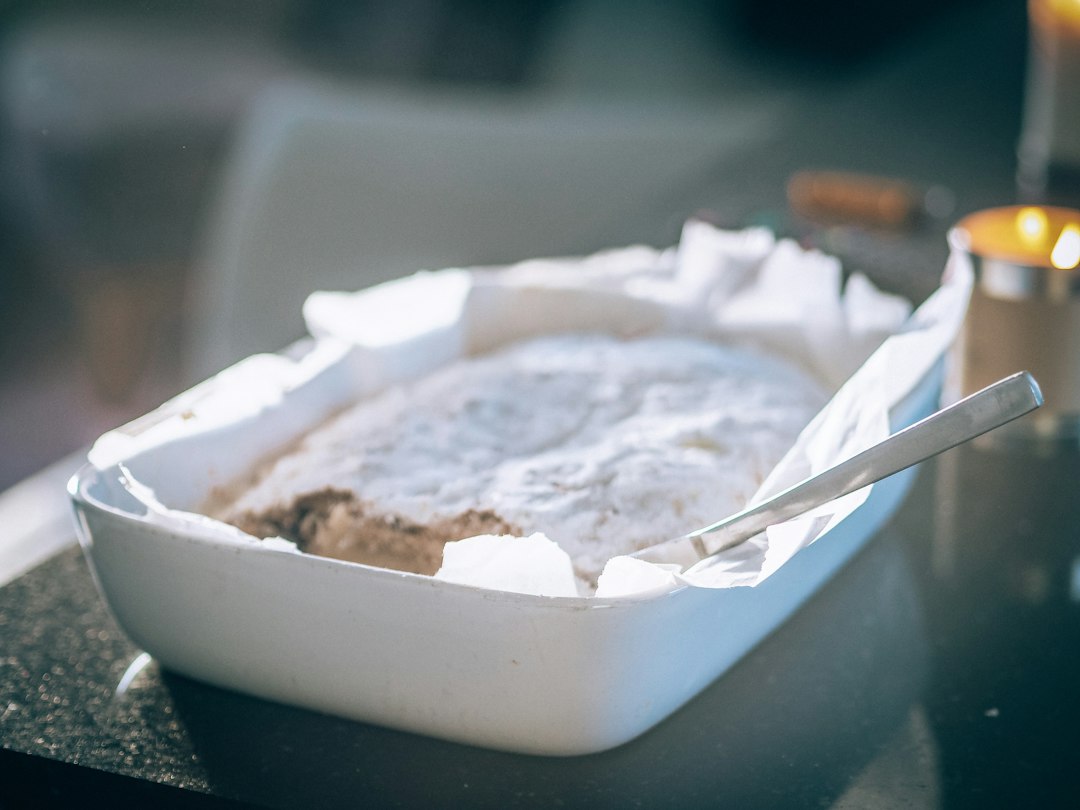
If you want the oven-to-table look in pairs, Staub’s two-piece ceramic set in that deep turquoise turns a covered-dish supper into something with a centerpiece. And at the top of the budget sits the covered Le Creuset rectangular casserole — stoneware with a matching lid, in colors that make people ask where you got it before they ask what’s in it. It is the dish I pack when the invitation says “bring your good china energy.”
Care for the good ones like the heirlooms they’ll become. Ceramic stacks best with a dish towel between layers, corners padded, and nobody rummaging. Two of my testers chipped prized bakers by storing them with the cast iron — keep the gentle dishes on their own shelf, and they will outlive the marriage that registered for them.
The Lid Question, Answered at Last
Here is my confession: I used foil as a lid for twenty years, and foil lied to me every single time. It steams the cheese into sog, it slides off in transit, and it leaves a little aluminum skiff drifting in the sauce. A real lid — one made for the dish — changes everything. Plastic lids are for the refrigerator and the car, never the oven. Glass lids let you peek without lifting. Stoneware lids hold steam and turn the dish into its own little oven right through the serving line.
For storage-first thinking, Libbey’s covered basics set gives you three glass dishes with fitted lids for the price of dinner out — ideal for the week of Thanksgiving when every shelf of the refrigerator is spoken for. And the set that finally solved lids for me outright is the three-size Artena ceramic set: five, two, and one quart, each with its own snug lid, nesting into the space one big dish used to hog. One of my testers has carried the medium to book club every month for a year without a spill incident.
Deep Dishes and the Math of a Full Trunk
Standard baking dishes run about two inches deep, which is fine for brownies and betrayal — I mean, sheet-pan dinners — but a proper lasagna needs closer to three. Do the quart math before you shop: a true 9-by-13 holds about three and a half quarts, and holiday recipes quietly assume you have it. Cook a crowd-sized recipe in a shallow dish and you get overflow on the oven floor, which is how I learned my oven’s smoke detector speaks French.
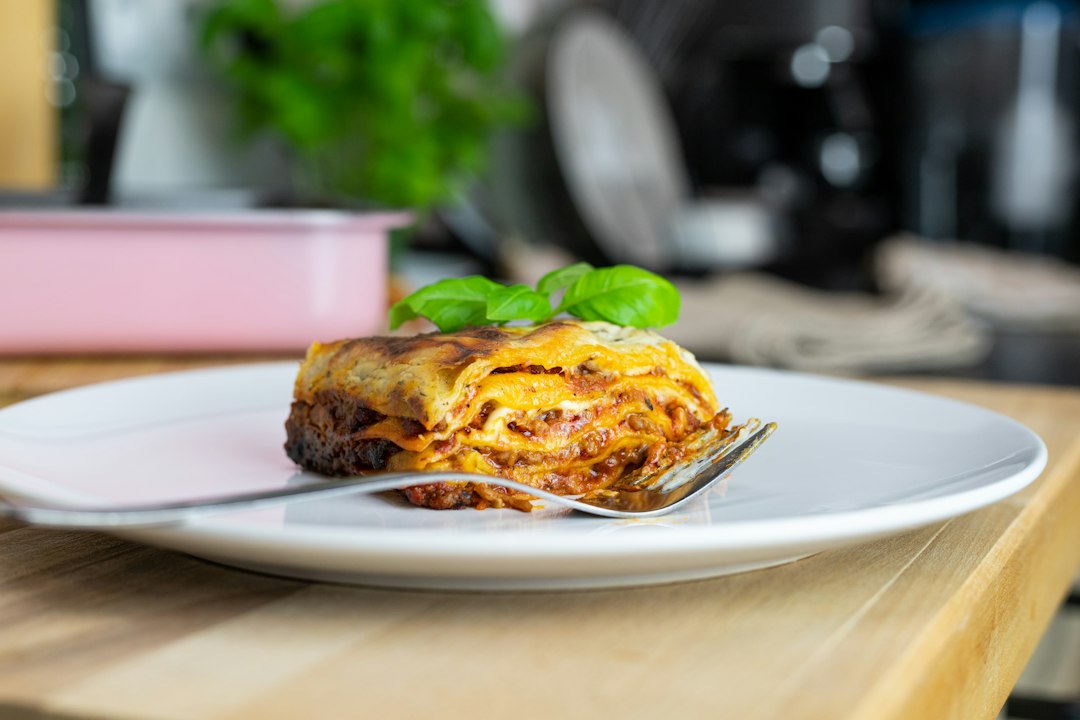
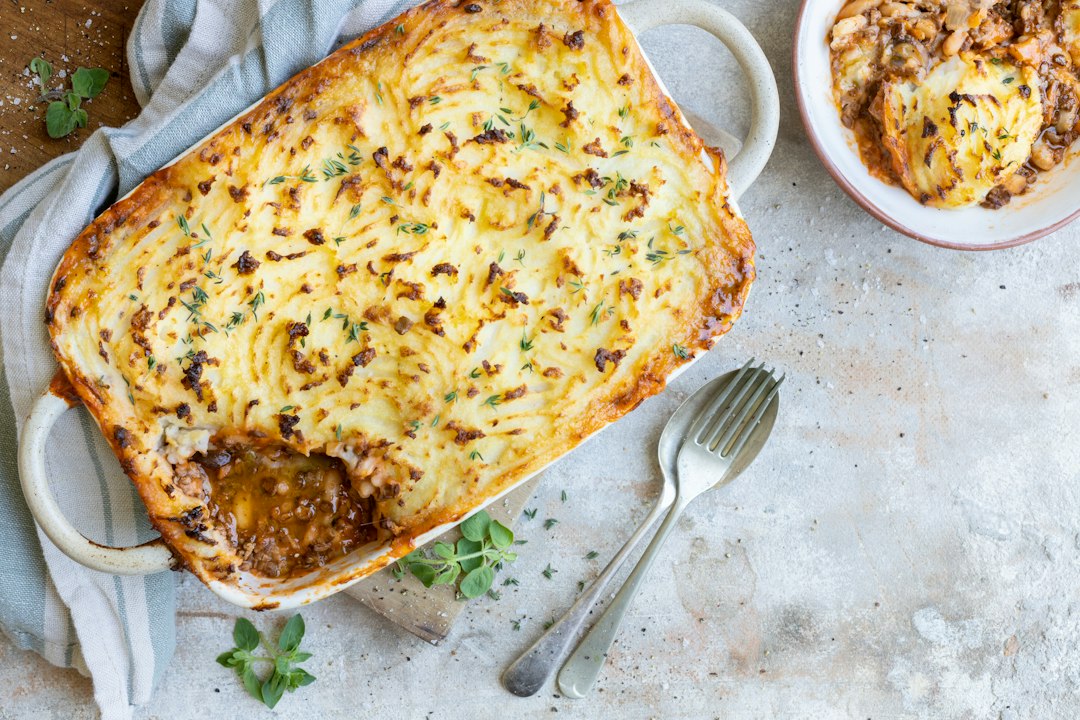
Deep-dish payoff: layers that hold their architecture all the way to the plate.
Depth also buys you insurance on the ride — a deep dish with a lid carries soupier casseroles without daring them to slosh. And memorize the small math while you’re at it: an 8-by-8 square holds about two quarts, a 9-by-9 holds two and a half, and most potluck recipes scale cleanly between them. When the menu runs even bigger than that, I send you to my stock pot guide, because some Octobers call for soup by the gallon, not the scoop. For everything that spreads out instead of stacks up — the vegetables, the chicken, the cookies that ride along as a bribe — my sheet pan audit covered that flat territory in detail.
Getting It There Alive
Transport is where casserole dreams die. The fix is not more foil — it is a carrier built for the job. Rachael Ray’s insulated lasagna lugger swallows a 9-by-13 whole, keeps it hot for a couple of hours, and has handles sized for actual human hands. Mine has been through two parking-lot downpours and a minor sled-hill incident, and the dish inside never knew.
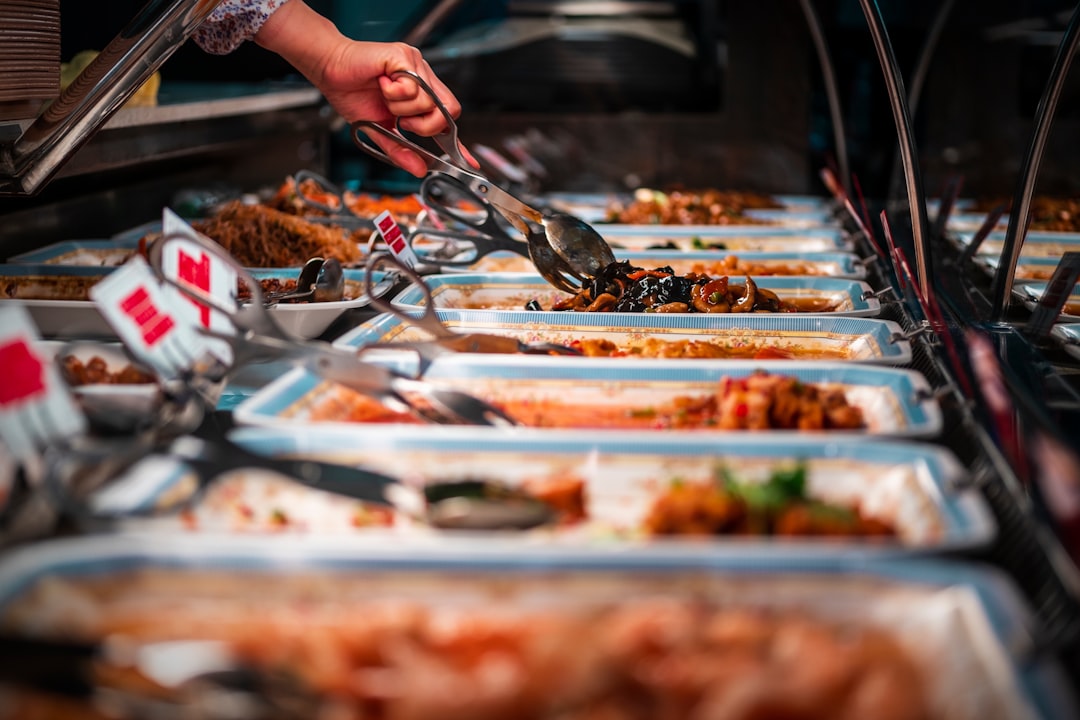
And when you arrive, protect the table that receives you. A big silicone mat like the GASARÉ extra-large trivet covers more territory than a trio of little cork circles, and it doubles as a landing pad for the dish’s lid — the most forgotten item on any buffet. A covered cast-iron Dutch oven travels well too, if you’re weighing options; I ranked my favorites in the Dutch oven guide earlier this summer.
The Freezer-Ahead Playbook
Every November I stash two make-ahead casseroles in the freezer, and the dish for that job needs different credentials: freezer-to-fridge-to-oven tolerance, a lid that seals against frost, and enough toughness to survive being shuffled around by a family that treats the freezer like a claw machine. The nostalgic champion here is the CorningWare French White set — stoneware-adjacent, lidded, and nearly identical to the set my mother pulled her Thanksgiving dressing from for thirty years. It has quietly become the workhorse of a hundred thousand church cookbooks for a reason.
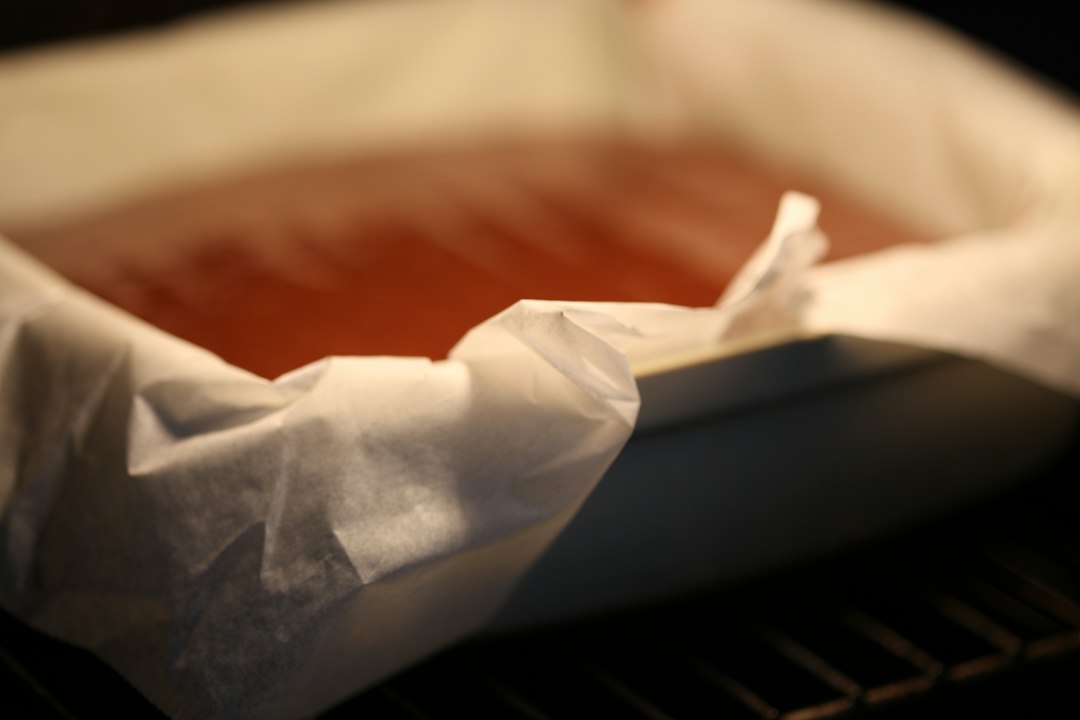
One caution, repeated because it matters: thaw before you bake. A frozen ceramic or glass dish into a hot oven is a gamble, and the house never wins. Move it to the refrigerator the night before and let the oven do the easy part.
What I’d Tell You Over the Fence
Buy one glass workhorse and one dressed-up ceramic, and you are covered from Tuesday’s enchiladas to the church supper. Add a real carrier before you add a third dish, because the ride ruins more casseroles than the recipe does. Skip anything with a wobbly handle trend or a lid that doesn’t clip — we tested those so you don’t have to, and the floor mats paid the price.
My grandmother hauled her casseroles in the same Pyrex for forty years, and nobody ever once asked her about the brand. They asked for the recipe. But she’d have appreciated a lid that didn’t require tinfoil origami, and honestly, so do I. This fall, let the dish do the fourth job — the one where you come home with it empty, because seconds happened.