My grandmother kept a pot roast in the oven for four hours every Sunday of my childhood, and I have spent most of my adult life chasing that same alchemy — low heat, long patience, meat that gives up without a fight. So you would think I’d have been the first person in line for a sous vide circulator. I was not. For years I looked at those wand-shaped machines humming away in other people’s kitchens and saw laboratory equipment pretending to be cookware. Real cooks watched the pot. Real cooks trusted their wrists and their thermometers. A machine that held water at exactly 138.5 degrees felt like cheating on a test I hadn’t even taken.
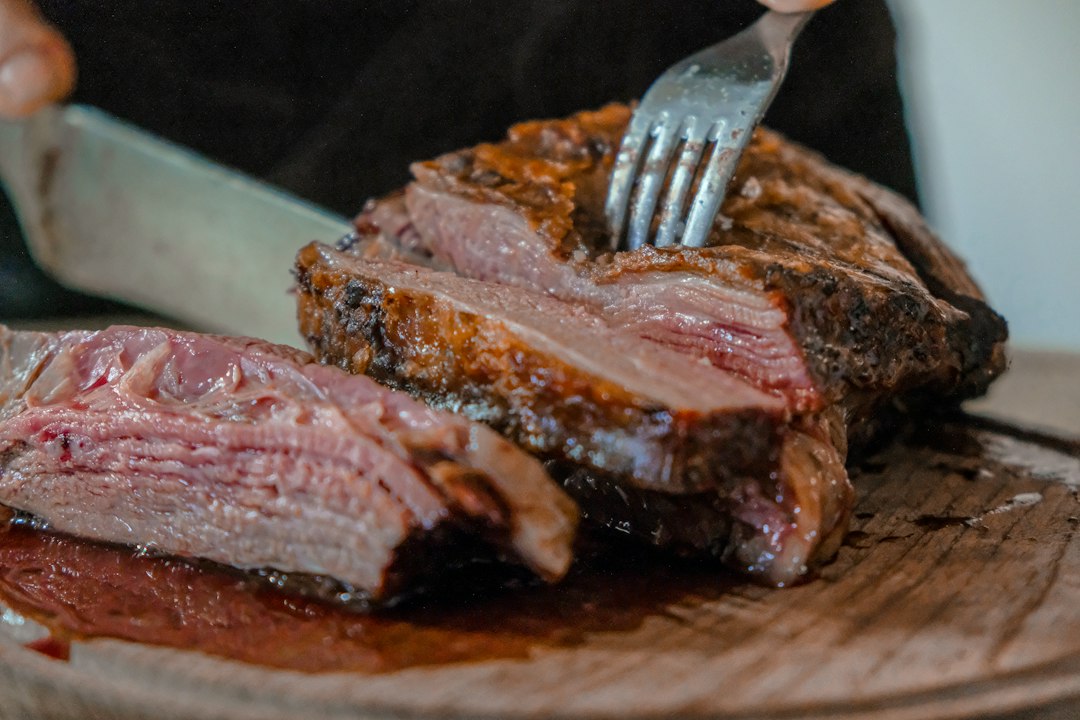
Then last November, between a Saturday market and a school concert, I needed pork tenderloin for eight people and I had forty minutes of actual attention to give it. A friend dropped off her circulator at my door with a zip-top bag and a shrug: “Set it to 140. Forget about it until guests arrive.” I did. And when I opened that bag two hours later and sliced into the most evenly rosy tenderloin of my life, my team will confirm I stood at my counter saying “well, okay then” for an uncomfortably long time.
That was the beginning. Eleven months, dozens of bags, three circulators, and one very patient crew of recipe testers later, I’m ready to tell you what a water bath is actually worth this fall — and where it will let you down.
What the Water Bath Actually Does
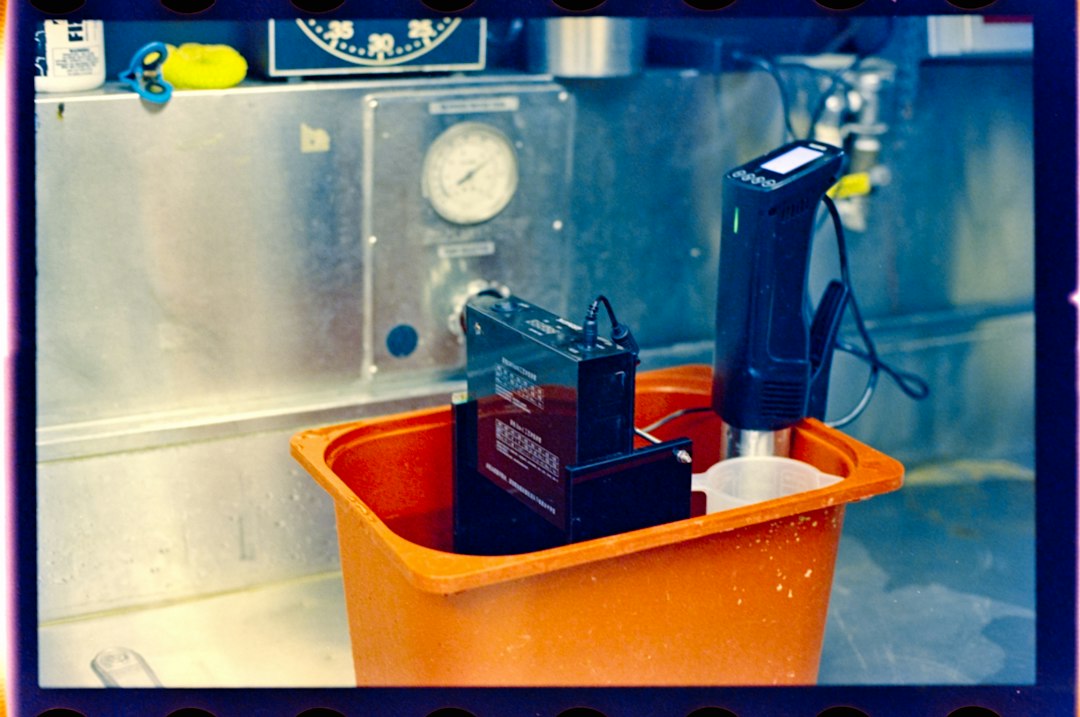
Strip away the frills and sous vide is the simplest idea in cooking: food in a sealed bag, held at the exact temperature you want it to end up at. Not approximately. Not “medium on my stove, which is everyone’s high.” Exactly. A circulator heats water and circulates it, holding your target temp within a fraction of a degree for as long as you like. The food can never overcook past that number, because the water never gets hotter than the number.
Think about what that erases. No more window between “perfect” and “overdone” that lasts ninety seconds. No more carrying a roast to the table hoping the carryover cooking lands where you promised twelve people it would. The bath doesn’t care if traffic is bad or if the salad takes longer than you thought. Steak at 129 degrees waits an extra hour and stays 129 degrees. For a cook whose entire education was watching women guard flame with their whole attention, it felt almost indecent — and then it felt like a gift.
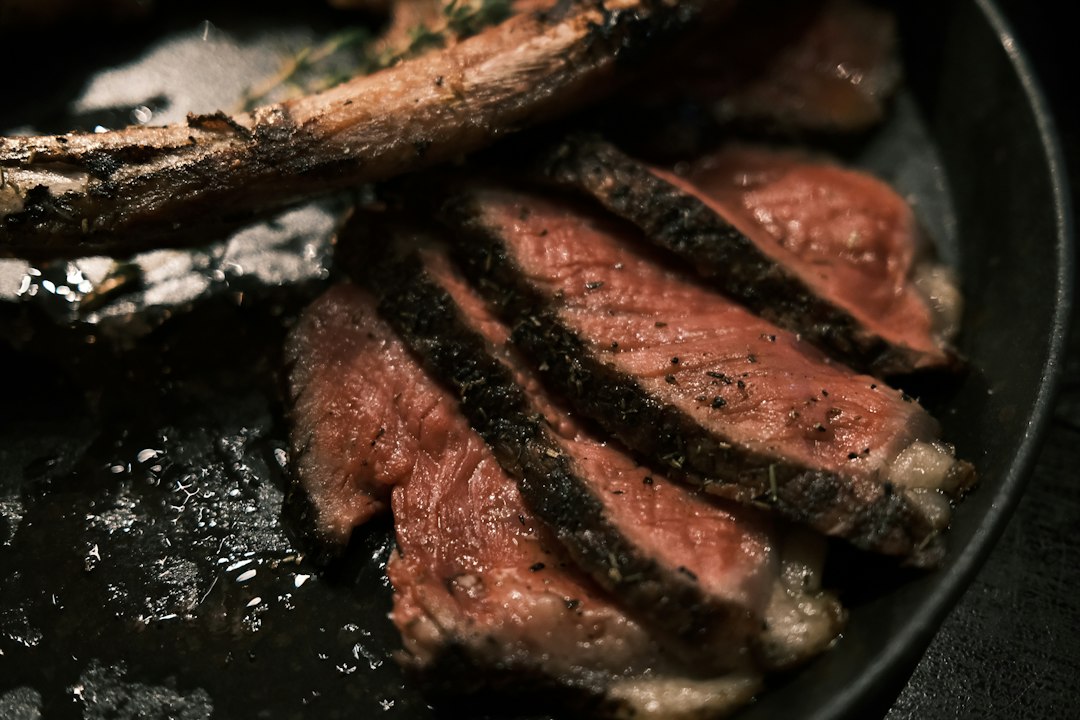
One thing the bath can never do, and I want this stated up front: it cannot make anything brown. Water tops out at a gentle simmer, and browning needs real heat. Everything you cook sous vide finishes in a screaming-hot pan or under a torch, and that final step is half the craft. More on that soon.
Three Circulators, One Very Wet October
My testers and I ran the three machines our readers ask about most through the same gauntlet: six quarts of cold tap water to 140 degrees, a room full of chicken thighs, and a decibel meter one of my crew swears by. They landed where every honest comparison lands — the Anova Precision Cooker is the all-around workhorse, Breville’s Joule Turbo is the thoroughbred, and the little Inkbird circulator is the one I hand to people who aren’t sure yet.
The Anova heated fastest in our tests and carries real buttons and a wheel on the unit itself, which matters more than you’d think. Wet hands, phone in the other room, chicken juice on your forearms — a dial you can turn and a number you can read without opening an app is quietly luxurious. The Joule is the most beautiful and most compact of the three, a stainless sleeve that hides in a drawer, and it ramps water fast for its size. But it’s app-reliant, and after writing an entire piece on kitchen tech that ditched its apps, I’ll admit my bias: I want a screen on the machine.
The Inkbird costs about what a nice pizza night does, runs quieter than my refrigerator, and does the one job — holding temperature — without drama. Is it as sturdy for a fifty-bird Thanksgiving? No. Is it perfect for Tuesdays, tailgates, and finding out whether this whole water-bath life is for you? Completely. If you’re curious but noncommittal, that’s the one I’d put in your cart first, especially with this week’s Big Deal Days pricing doing strange, beautiful things to small-appliance tags.
The Tub Truth Nobody Tells You
You do not need special equipment to hold water. My first month happened entirely in a six-quart stockpot, and my grandmother’s soup pot ran steaks for a housewarming without complaint. But water evaporates, pots are shallow, and once you’re cooking two pork tenderloins and a bag of carrots for the same table, you’ll want a 12-quart container with a cutout lid. The lid slows evaporation on four-hour cooks, the sides insulate, and the whole thing slides under a bed or into a pantry shelf when Sunday is over. It is the least glamorous purchase in this entire article and the one I’d replace first if mine walked away.
The Bag Question, Answered by Someone Who Has Resealed One Thousand of Them
Zip-top freezer bags work. Full stop. Use the displacement trick — seal almost all the way, lower the bag into the water, and let pressure push the last of the air out before you zip it closed. For a two-hour steak, that’s all the engineering you need. What freezer bags can’t survive is the freezer itself and the long haul, which is exactly what fall turns my kitchen toward. Come October I’m sealing portions of chili, bolognese, and Tuesday-night chicken in quantity, and that’s a job for a real vacuum sealer — I wrote a whole field guide to sealing season you can read alongside this one, and everything in it applies double once a circulator enters the house.
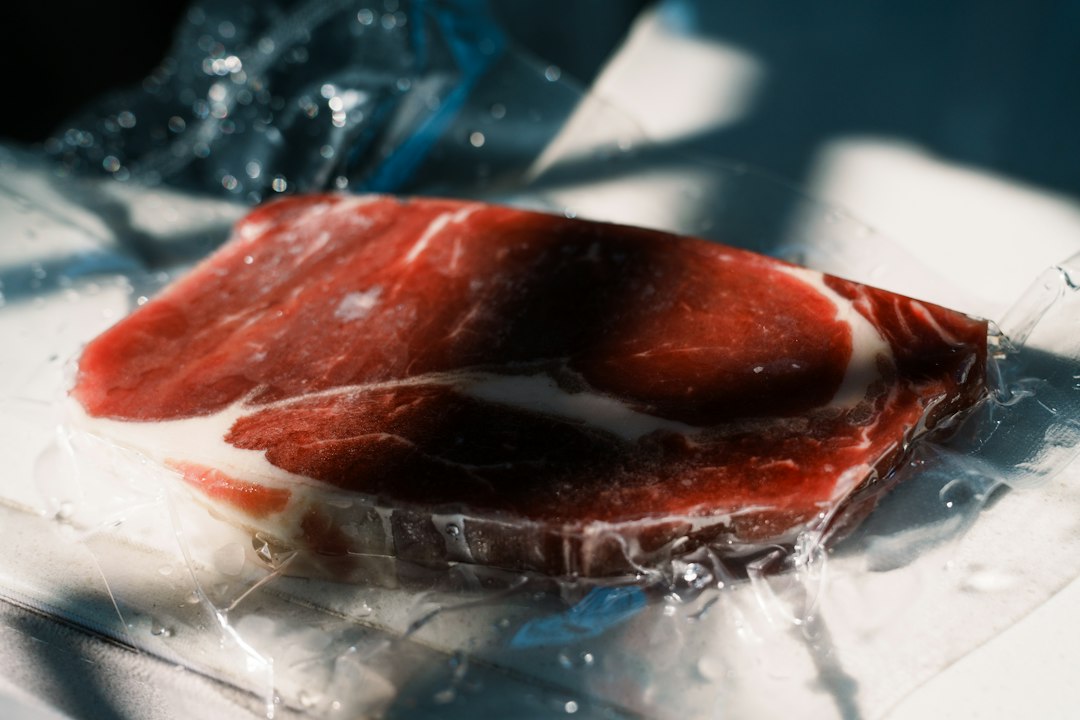
For everyday use, my crew has migrated to reusable silicone bags for anything under about 185 degrees. They seal by hand, they wash like dishes, they go in the dishwasher, and after a year of near-weekly use mine have paid for themselves in freezer-bag guilt alone. Keep a roll of disposables for marinating projects and long freezes; live in the silicones the rest of the time.
The Sear Is the Sermon
Here is where new sous vide cooks lose the thread, so let me say it the way I say it to friends over the fence: the bath cooks, the pan preaches. What comes out of that bag is perfectly cooked and pallid as a Tuesday in February. It needs one minute per side in the hottest pan you own, and it needs it now, before the interior has time to think about overcooking.
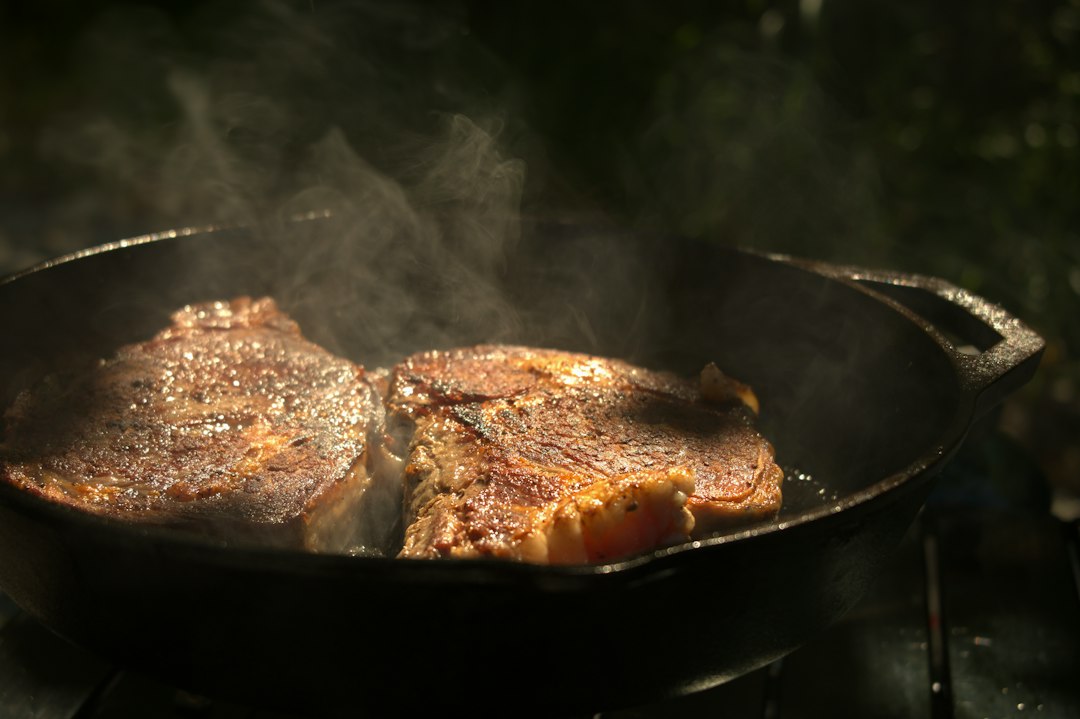
For that minute, nothing beats a plain cast-iron skillet — mine lives on the burner from October through New Year’s — or the carbon steel I spent all September falling for, if you caught that story. Get the pan ripping, dry the meat thoroughly with paper towels, and count to sixty. And for edges a pan can’t reach, for the fat cap on a pork roast or the curved side of a tenderloin, a proper butane kitchen torch is ten seconds of restaurant drama in your own kitchen. My daughter now requests “the fire part” as entertainment, and honestly, so do the guests.
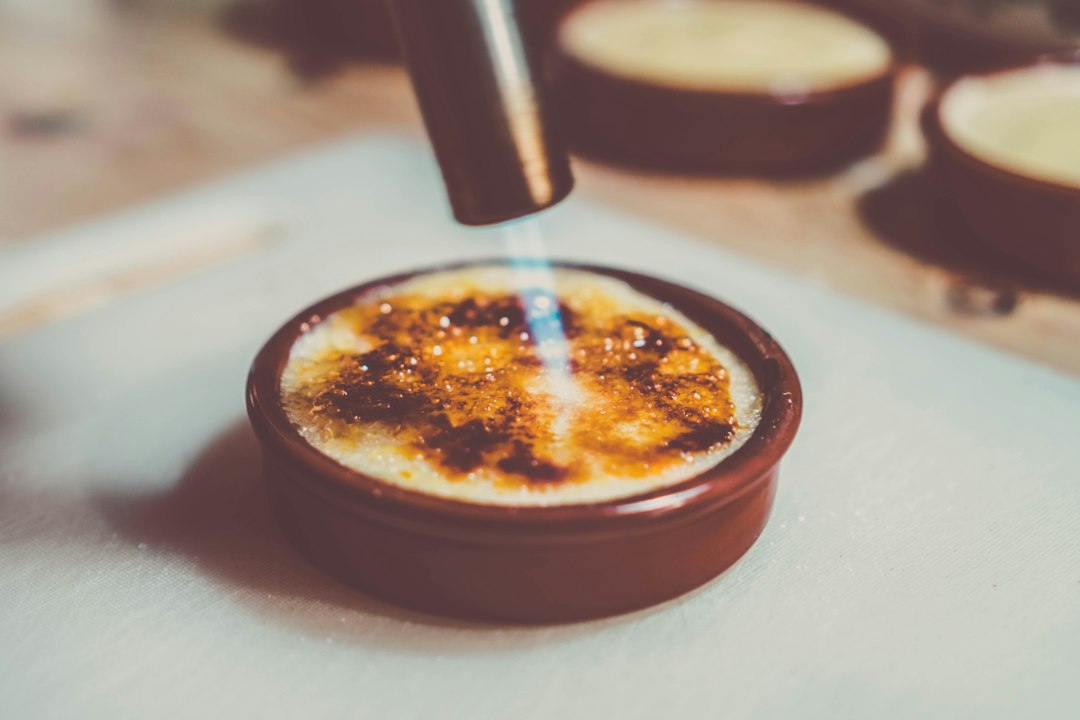
Dry, sear, rest for a breath, slice. The crust you build in that minute is the whole reason restaurants charge what they charge.
What’s Going in the Bath This Fall
Pork tenderloin at 140 for two hours was my conversion meat and it’s still the one I teach — an inexpensive cut that turns velvet, seared at the last minute for a crowd. Chicken thighs at 165 for an hour and a half come out closer to the thighs of my memory than anything an oven has given me in years. Steak at 129 to 131, obviously, if obvious needs saying. Eggs at 167 for thirteen minutes will spoil you for every brunch you ever attend again. And the sleeper of the season: potatoes, cubed and buttered in the bag at 194 for an hour, then mashed — make-ahead mash that reheats better than the from-scratch kind ever did, which is the kind of sentence I’d have crossed the street to avoid saying two years ago.
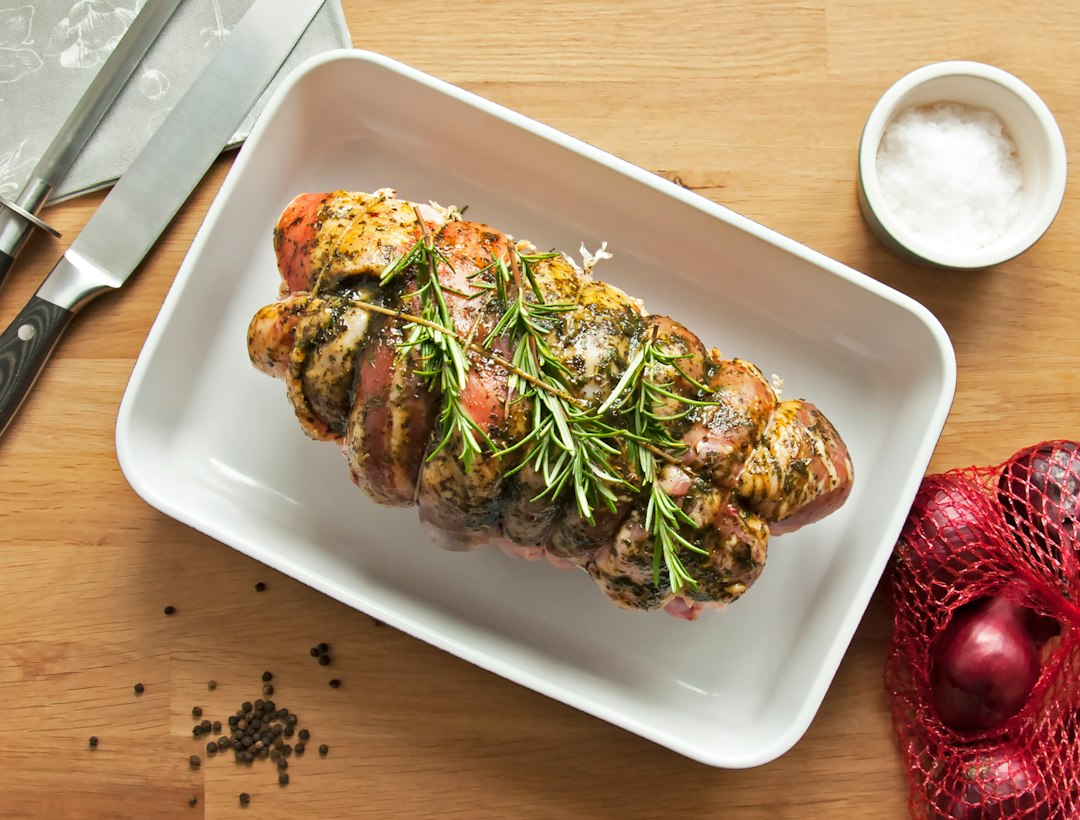
Even with a bath doing the watching, I still verify with an instant-read thermometer before anything goes to the table, the same discipline from my thermometer guide that runs my whole roast season. The bath holds temperature; the thermometer confirms the food got there. Trust the machine, verify the meat. That’s not paranoia; that’s hospitality.
Where It Lets Me Down
You deserve the honest ledger. Sous vide asks you to plan — this is slow food wearing a lab coat, and “it’s five o’clock, what’s for dinner” is not its language. It takes counter space and a dedicated outlet for hours at a stretch. Fish forgives you nothing; eight minutes past done in a 120-degree bath is still past done. Green vegetables stay stubbornly military. And if you buy a circulator and skip the searing step, you will eat pale, bag-tasting protein and blame me, so don’t do that. The bath is a finish-anytime tool, not a finish-for-free one.
A Word About This Week’s Prices
Every year around now, Amazon’s Big Deal Days puts small appliances on the kind of markdowns that make my inbox interesting, and circulators reliably lead the kitchen category. The sharp-eyed detail: the deepest cuts are members-only. If you already have a Prime membership, you get first crack at the lightning pricing plus the free fast shipping that genuinely matters when the box weighs ten pounds of motor and steel. If you don’t, and a circulator or a vacuum sealer is on your fall list, this is the one week a year the math favors joining before you check out — take the free trial, let it carry the shipping on your heavy gear, and decide later whether it stays. My crew waits all year to run our price trackers during these two days precisely because appliance lows hit here that don’t return until the holidays.
The Bath, the Bag, and Me
I still roast a chicken in the oven on Sundays — some Sundays are for standing at the stove with a wooden spoon and nothing else. But the water bath earned its drawer next to the stand mixer, and there’s a pork tenderloin upstairs in the bath as I type this, humming at exactly 140 degrees, waiting for the skillet and the fire and the people pulling into the driveway. My grandmother would have called it cheating. Then she would have asked for seconds, and she would have wanted the recipe written down. This one’s for you, Nan. Set it to 140 and forget about it.