My grandmother kept two containers of salt on her counter, and they were never allowed to meet. The big cardboard box of kosher salt lived beside the stove with its top torn open like a mailbox. The little shaker with the snowflake holes lived at the table, and that one was for people who hadn’t tasted their food yet.
Every Saturday night of my childhood, she would pull tomorrow’s chicken from the refrigerator, rain salt over every surface from that cardboard box, and set the bird on a plate, uncovered, like it was being sent to its room. I asked her once why she salted dinner before bed. She said, “So the salt has time to get where it’s going.”
It took me a culinary degree, two restaurant kitchens, and fifteen years of test cooking later to understand she was teaching me the most underrated technique in home cooking. Not how much salt. When.
Most of us treat salt like a finishing move — something that happens at the stove in the final frantic seconds. But salt has a schedule, and the cooks who follow it serve juicier chicken, deeper-seasoned roasts, and steaks that sear instead of steam. So today I’m giving you the timetable my test kitchen crew and I have refined across hundreds of Sunday dinners, including the turkey math you’ll want in your pocket before November arrives.
What the Wait Actually Does
Sprinkle salt on a steak and, for the first few minutes, nothing good happens. The salt pulls moisture out toward the surface — you can watch the beads gather — through plain osmosis. This is the moment skeptics point to when they claim salting ahead dries meat out. They’re watching the opening scene and leaving before the plot.
Give it time and the story turns. That salty moisture dissolves into a thin brine, and the brine works its way back inward, dragging seasoning below the surface. The salt also gently relaxes the muscle fibers so they squeeze out less of their juice when heat finally arrives. Wait long enough and the outside dries again — and a dry surface is precisely what a deep, burnished sear requires.
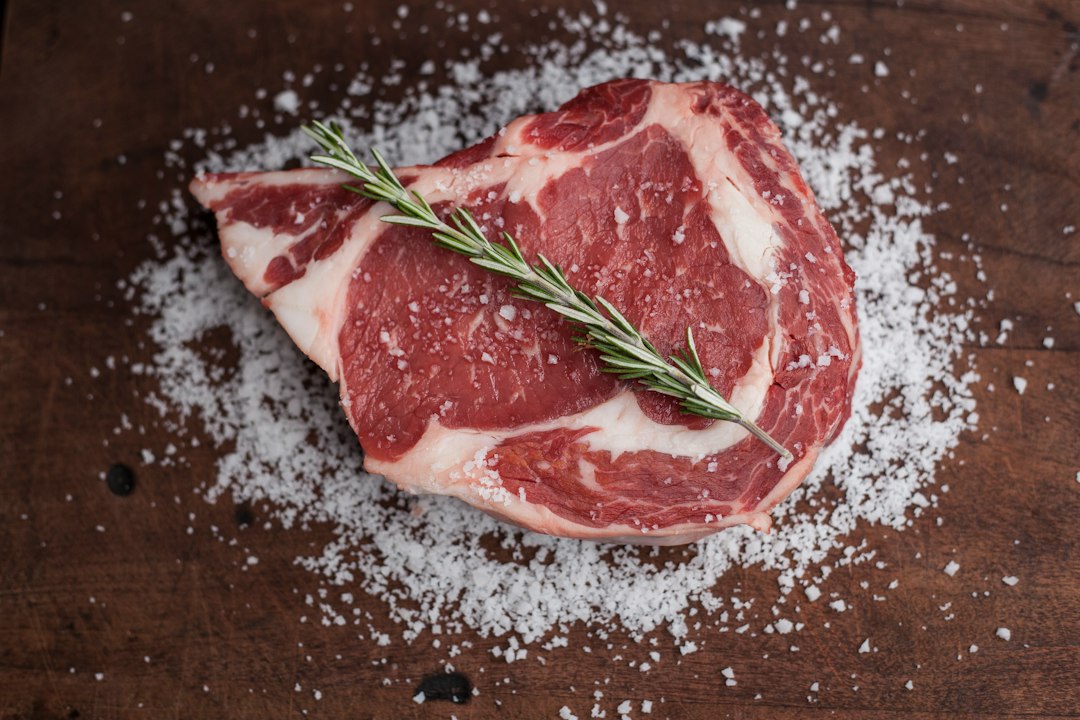
So one salted-ahead steak seasons more deeply, holds more moisture, and browns harder than its just-salted twin. My crew ran them side by side one February — same cut, same pan, five minutes apart — and the youngest taster at the table, my nephew, who has never once complimented anything that wasn’t macaroni and cheese, asked what was different about the good one.
The Timetable Now Taped Inside My Cabinet
I come from a long line of women who taped important things inside cabinet doors, so it felt right to continue the tradition — the original list my grandmother kept behind her flour cabinet started it all. Here is the salt schedule in the form my team actually consults, more than any cookbook on the shelf:

- Thick steaks (an inch and a half or more): salt at least one hour ahead — or up to overnight, uncovered in the refrigerator.
- Thin steaks and pork chops: salt either in the last minute or a full hour out, never in between.
- Bone-in chicken pieces: thirty minutes minimum; the night before is even better.
- Whole chicken: twenty-four hours, breast-side up and uncovered.
- Turkey: one to two days depending on size — the full math is below.
- Fish and shrimp: salt right before cooking, or give sturdy fillets a twenty-minute light cure when you want them firm and silky.
- Scrambled eggs: beat them with salt fifteen minutes ahead when you can; the curds come out noticeably more tender.
- Beans: salt the soaking water and the cooking water. The old tale about salt toughening beans is a myth my crew happily buried.
- Pasta water: salt it when it boils and before the noodles go in, so they season themselves as they hydrate.
- Eggplant and zucchini: salt twenty to thirty minutes ahead when you plan to fry, then pat dry.
Print it, screenshot it, or copy it onto an index card in your own handwriting like it’s 1962. The schedule isn’t about precision — it’s about giving salt the one ingredient you can’t buy, which is time.
The Forty-Minute Trap
If the timetable has a swamp, it’s the window roughly fifteen to forty minutes after salting a steak or a chop. The moisture has been drawn to the surface but hasn’t come back yet, and the crystals haven’t finished dissolving. Drop the meat into the pan inside that window and you aren’t searing — you’re steaming a wet steak in its own brine, and the crust pays the bill.
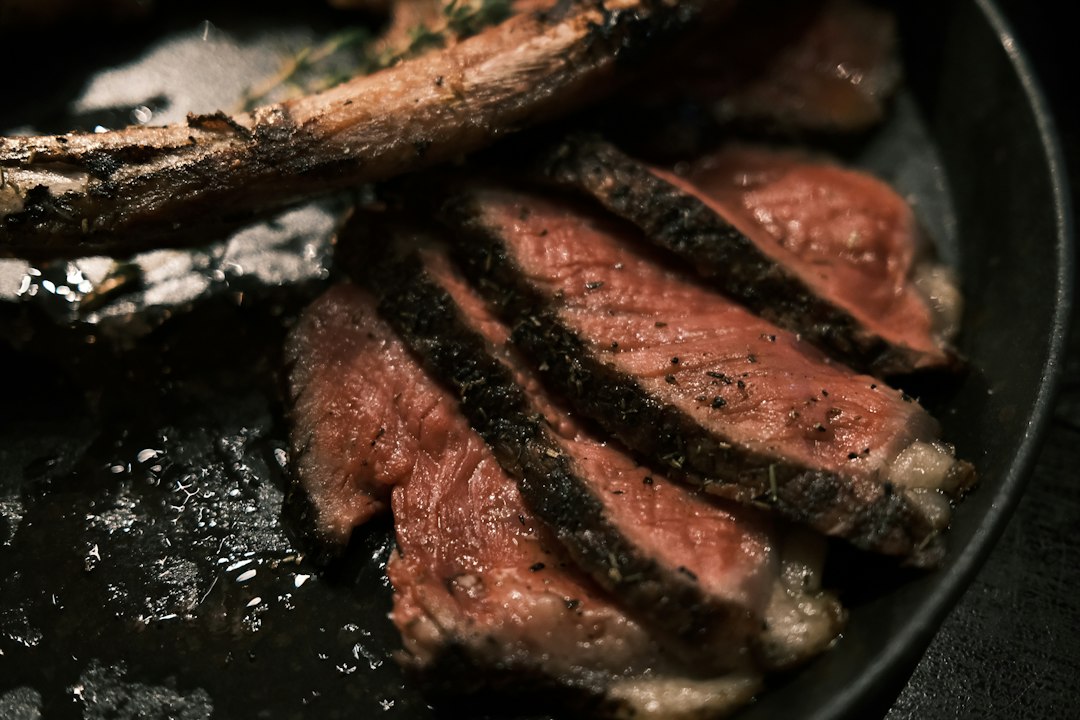
So the rule in my kitchen is binary: salt in the final minute before it hits the pan, or salt at least a full hour out. If life happens and your steak is sitting at minute fifty-five, relax — it’s past the swamp and only improving. And if you catch yourself stuck square in the middle of it, pat the surface dry with a paper towel and carry on; you’ll sacrifice a little of the deep seasoning, but the sear survives.
The Saturday-Night Chicken
This is the ritual exactly as my grandmother ran it, translated into the equipment my test kitchen uses now. Saturday night, pat the bird very dry with paper towels. Then rain salt from a height — a four-pound chicken wants about a tablespoon of Diamond Crystal kosher salt, which sounds like a lot until you remember half of it has an overnight journey to make.
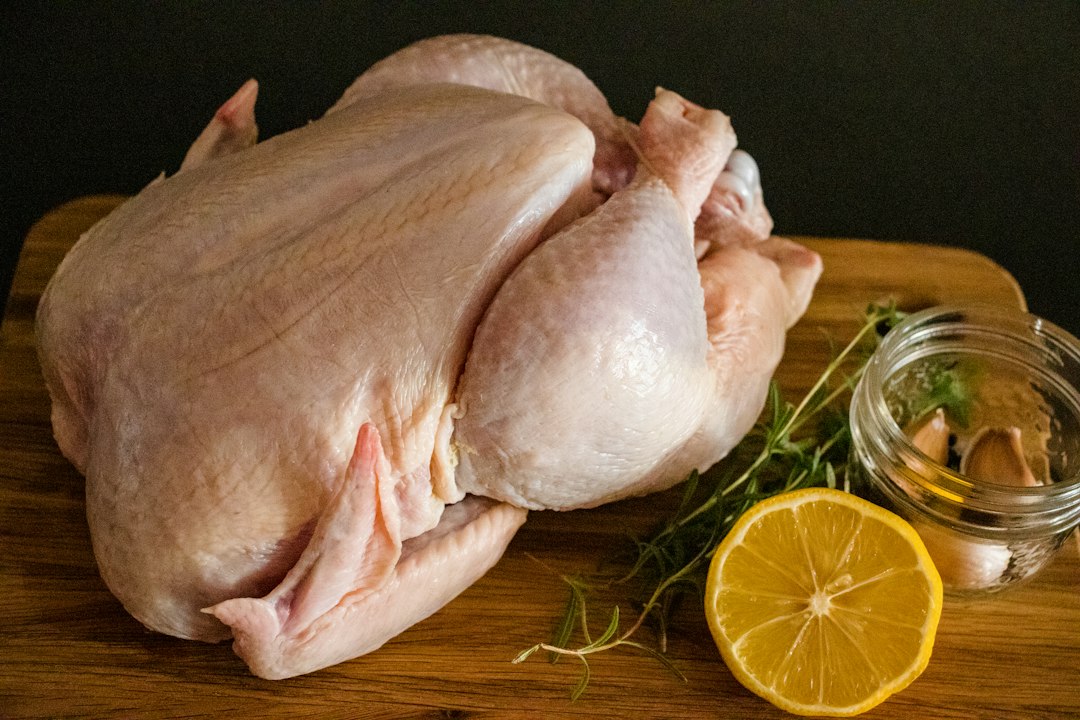
Set the bird on a wire rack set over a rimmed baking sheet — a sturdy stainless cooling rack sized for a half sheet pan lifts it so air circulates underneath, and the heavy aluminum half sheet pan catches anything that drifts. Slide it into the refrigerator, uncovered, overnight. Yes, uncovered. This is the step that feels wrong the first time, like leaving a toddler’s mittens at home in January. The fridge’s dry air finishes what the salt started, tightening the skin into something that roasts up like parchment.
Sunday, take it out an hour before roasting so it loses its chill, then into a hot oven it goes. This bird pairs beautifully with the low-and-slow method in my Sunday roast kit, and a probe thermometer settles any doneness arguments before relatives can start them.
Turkey Math for a Calmer November
The big bird is the schedule’s final exam, and the difference between a good turkey and a great one is almost entirely written on the calendar. Salt by weight, not by fear: figure half to three-quarters of a teaspoon of fine salt per pound of turkey — and if you’re scooping Diamond Crystal, which pours lighter than dense-grained salts, give it a fuller, more generous measure. A digital kitchen scale settles the arithmetic in five seconds and earns its drawer space every single Thanksgiving eve.

Work the salt over the breast and drumsticks and slip some directly under the skin where your fingers can reach. Then count backward from roasting day. A twelve-to-fourteen-pound bird wants a full twenty-four hours; anything over sixteen pounds deserves forty-eight. Remember the bird must thaw first — about twenty-four hours per four to five pounds in the refrigerator — so a frozen twenty-pounder needs to start moving toward the fridge the weekend before. Big birds get salted Tuesday, smaller ones Wednesday.
And if it is already Wednesday night and you are just now reading this — salt it anyway. Any brining time at all beats none; the schedule forgives a late start even if the results arrive a little quieter. For the refrigerator logistics, a turkey brining bag or a tall lidded food container keeps the peace on a crowded shelf.
When roasting day comes, trust a thermometer over folklore — I retired the phrase “juices run clear” from my kitchen entirely, and the thermometer guide that runs my roast season explains exactly why.
One Open Box Beside the Stove
None of this happens if your salt lives in a cabinet across the room. Salting ahead is a habit, and habits need their tools within arm’s reach. My grandmother’s open box sat beside the stove so her hand found it without her eyes leaving the bird. Mine lives in a lidded ceramic salt box that swings open with one pinky, and a small salt cellar with a swivel lid guards the fine sea salt that dusts a turkey skin evenly.
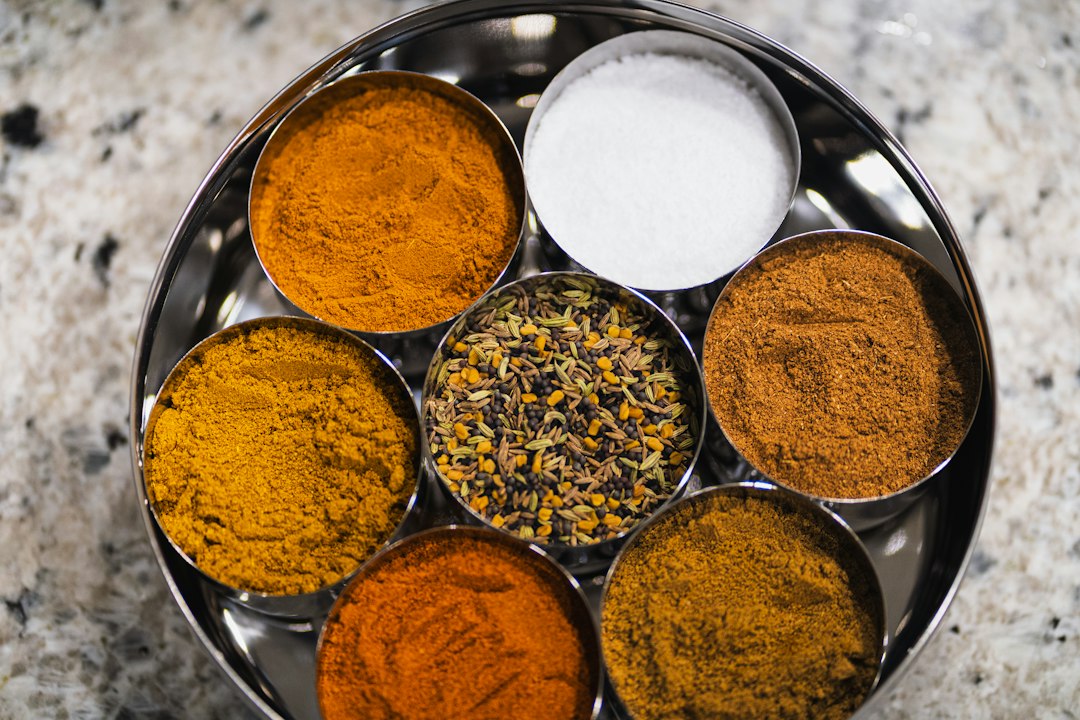
On which salt to keep: I’ve cooked with Diamond Crystal kosher salt for twenty years because its hollow, snowflake crystals cling to raw meat, dissolve fast, and forgive a heavy wrist. Its cousin Morton coarse kosher salt pours nearly twice as salty by volume — same spoon, double the punch — so if Morton is your box, measure about half of whatever a recipe written for Diamond calls for. Knowing which box you’re cooking from matters more than which box you buy.
Where Else the Schedule Pays Off
The timetable isn’t only for meat night. Eggs beaten with their salt a quarter hour ahead of the pan set into softer, evenly seasoned curds — my team ran the blind tasting twice because nobody believed the first plate. A twenty-minute salt cure turns a soft fish fillet firm and silk-smooth, which is why it anchors every fish taco Friday in this house. Salt sliced cucumbers and shaved onion half an hour before dressing them and your summer salads stop weeping onto the plate.

Each of these is the same lesson wearing a different apron: the salt can only do its work in the time you give it.
The Second Half of the Lesson
Salting early is the invisible half of seasoning. The visible half happens at the very end — a final pinch over the pot, a last taste with the heat off — and I wrote a whole love letter to those closing seconds in the last thirty seconds of a dish. Early salt builds the flavor deep in the food; late salt brightens what sits on top. Sunday dinner deserves both.

My grandmother’s two containers never met because they were never meant to. The box beside the stove kept the schedule. The shaker at the table served the people who tasted first. She never once called it a technique, and it took me thirty years to hear what she was really saying that Saturday night: the salt has to get where it’s going, and your only job is to give it the time to travel. Learn the schedule once, and dinner keeps it for you forever.