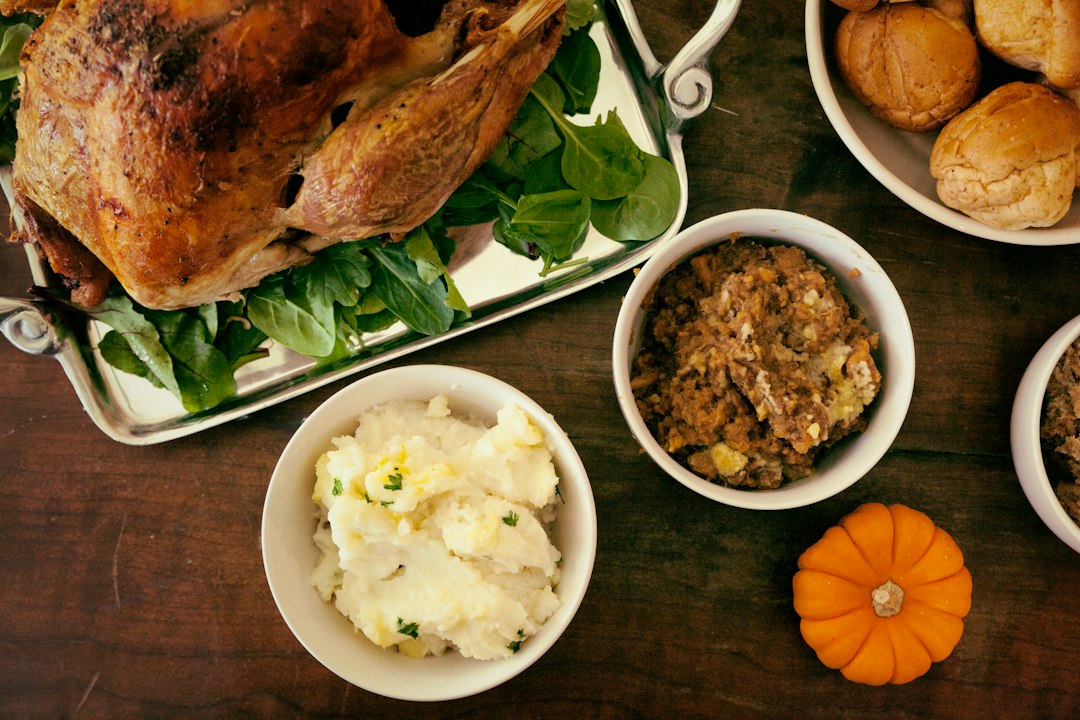
Every November, somewhere between the green bean casserole and the dinner roll panic, a kitchen in my family produced gravy the hard way. Bird comes out. Bird rests. Somebody tilts a screaming-hot roasting pan over a measuring cup, burns a thumb, skims fat with a spoon that is absolutely not built for skimming, and then whisks flour into a panic at 3:48 in the afternoon while twelve people ask if dinner is soon. I did it that way for twenty years. My mother did it that way for forty. Her mother, I am told, refused to let anyone else near the pan, which tells you everything.
Then, a few years back, I stopped making gravy on Thanksgiving entirely. Not gave it up — moved it. These days my gravy is finished, strained, and sitting in the freezer while the turkey is still a rumor at the farm stand, and the only thing that happens at 3:48 on the big day is a quiet ten-minute reunion between that make-ahead base and the fresh pan drippings. The team here has run this system through enough holiday rehearsals now that I can promise you the scary part of Thanksgiving gravy was never the gravy. It was the timing.
The Ten Minutes Where Thanksgiving Goes Sideways
Look at the oven schedule on any Thanksgiving and the problem announces itself. The bird needs to rest, which frees the oven, which means every side dish in the house suddenly wants that slot. Meanwhile the drippings are sitting in the pan going from hot to lukewarm, the mashed potatoes are holding in a pot that’s losing steam by the minute, and gravy — the one dish that wants your full, calm attention — is scheduled into the single most crowded ten minutes of the cooking year. It’s like scheduling a nap in the middle of a parade.
Gravy is three things: fat, flour, and liquid cooked into something glossy. None of those three things care whether it’s Thanksgiving. The drippings bring the flavor, but the drippings are also the only ingredient that arrives late. So the fix is almost embarrassingly simple — build the entire gravy early from roasted turkey parts and stock, freeze it, and let Thanksgiving contribute nothing but a cup of defatted pan juices and a confident simmer at the end.
The first time I served it, my most opinionated aunt looked at her plate, looked at me, and said, “You finally figured it out.” I have never once missed whisking in a cold sweat.
Roast the Wings Before the Bird Exists
On some ordinary Saturday in early November — this year it was the 7th, a gray little afternoon with nothing better to do — I spread three pounds of turkey wings and a couple of split necks in a sturdy roasting pan with a rack over onions, carrots, and celery, and I let them go deep brown in a hot oven. Brown is doing a lot of work in that sentence. Pale wings make pale, timid gravy. You want the kind of brown that makes you slightly nervous, because that color is flavor you cannot fake later with salt or wishful thinking.
Then everything — wings, vegetables, the scrapings, the works — goes into a stock pot with water and a bay leaf and simmering for a couple of unhurried hours. If you’ve spent any time around this site, you already know my feelings about the big pot that carries my soup seasons; November is simply when it earns its cabinet space a second time. What you’re left with is a turkey stock so rich it practically apologizes for canned broth.
That stock is the entire ballgame. It freezes beautifully, it thaws beautifully, and it means that on Thanksgiving you are not building a sauce from scratch — you are finishing one that’s already three-quarters done.
The Separator Does the Skimming While You Sleep
Here is where modern kindness enters the story. My grandmother skimmed fat with a spoon and a certain grim expression. You can buy, right now, for the price of a fancy coffee or two, a measuring cup with a spout that draws liquid from the bottom while the fat floats on top — you pour off the good stuff and the grease stays behind like a guest who didn’t get the hint. The classic OXO 4-cup separator lives in my cabinet eleven months a year pretending to be a measuring cup, then works a double shift every Thanksgiving week. Testers at several big kitchen sites keep crowning it, and I get it — the strainer lid alone catches the bits you don’t want.
If your household gravy volume runs serious — we are a two-boiling-pots family some years — the bottom-release style separators are worth a look. You let the drippings settle, press a trigger, and release the lean juices from underneath with no pouring acrobatics at all. One of my testers, who shall remain nameless but is nine, calls it “the gravy button,” and honestly, the marketing writes itself.
Why does this matter in a make-ahead article? Because you’ll separate that early stock too. Skim it once after the simmer, once more after the overnight rest in the refrigerator when the fat has set into a neat golden lid you can lift off in one piece. Cold stock, warm stock, it doesn’t care. That’s the whole charm of the tool.
Roux, Whisk, Patience: Twenty Calm Minutes on a Tuesday
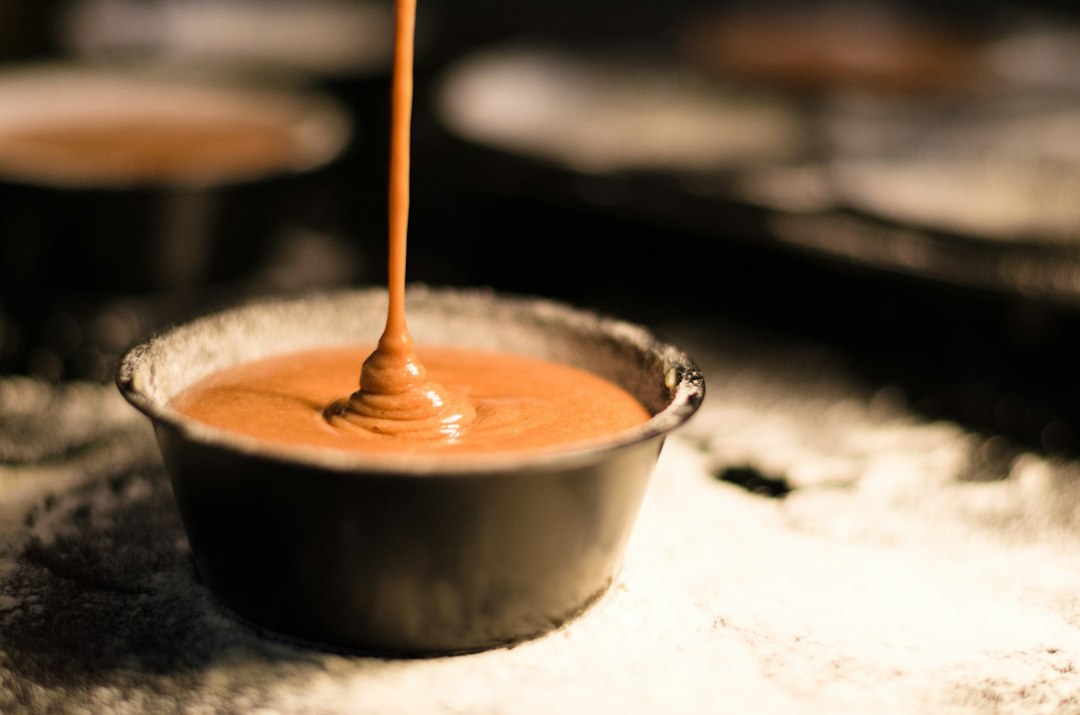
The gravy itself comes together whenever you have a free half hour that week. In my kitchen that’s usually a Tuesday. You’ll want a heavy pan that conducts evenly — I use a tri-ply stainless saucepan in the 3-quart range, wide enough to whisk freely, heavy enough that the flour doesn’t catch and scorch the second you glance away. Melt a few tablespoons of that turkey fat you lifted off the stock, add an equal amount of flour, and stir it into a paste that smells like toasted comfort.
Then the stock goes in — warm, a splash at a time at first, whisking the whole while. This is the moment where lumps are born or prevented, and the difference is entirely in the wrist and the tool. A proper stainless sauce whisk, the balloon kind with wires that actually reach the corners, turns roux-into-liquid from a gamble into a formality. My grandmother used a fork. She was tougher than we are, and her gravy had opinions about it.
Let it thicken until a spoon leaves a slow trail, season it harder than feels right (drippings will later dilute it slightly), and if you want the glossy restaurant texture, a fine dusting from a little flour dredger shaker beats dumping from the bag every single time. Then — and I cannot stress this enough — walk away. It’s done. It’s November 10th and your gravy is done.
Freeze It Flat, Thaw It Slow
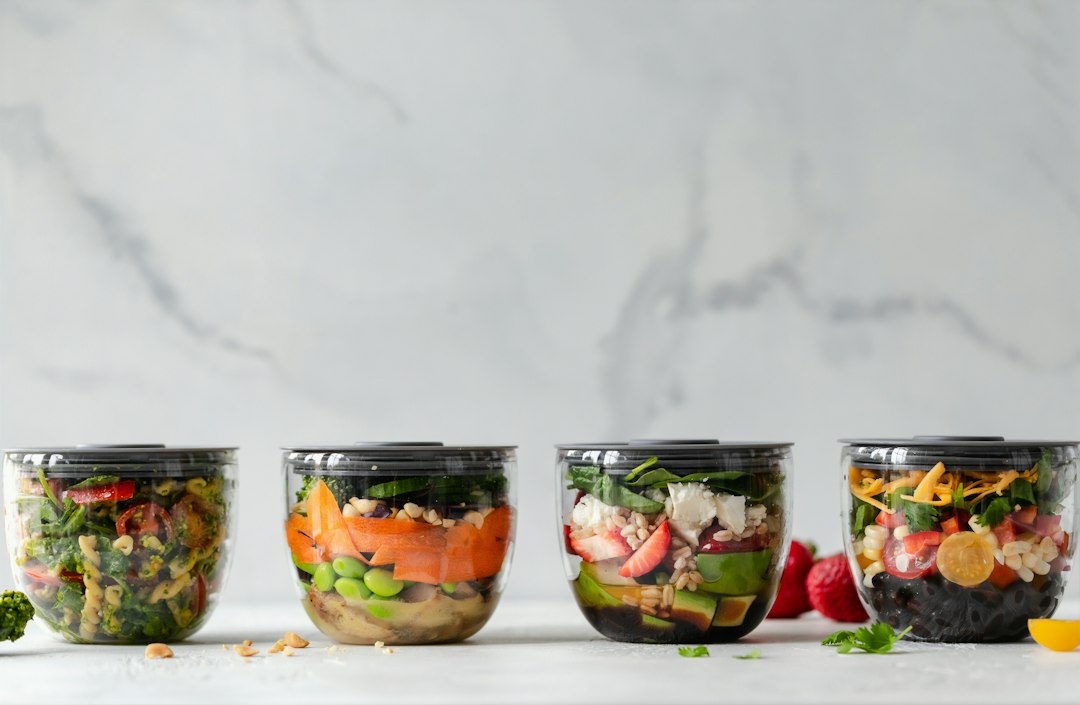
Storage is where I used to sabotage myself. A giant container of frozen gravy takes two days to thaw and separates a little while doing it. The fix: portion into quart-size glass containers with tight lids — or wide-mouth freezer jars if you’re a canning family — and freeze them flat. Flat thaws overnight in the refrigerator like a charm. Two quarts covers a table of twelve with leftover insurance, which in this house is non-negotiable.
If you’ve gone down the vacuum-sealer road like I did this fall, the bags work too, and they stack like file folders in the freezer door. Just label them. There is a special humiliation in thawing what you believed was gravy and finding September’s tomato sauce.
Thanksgiving Morning: The Drippings Reunion
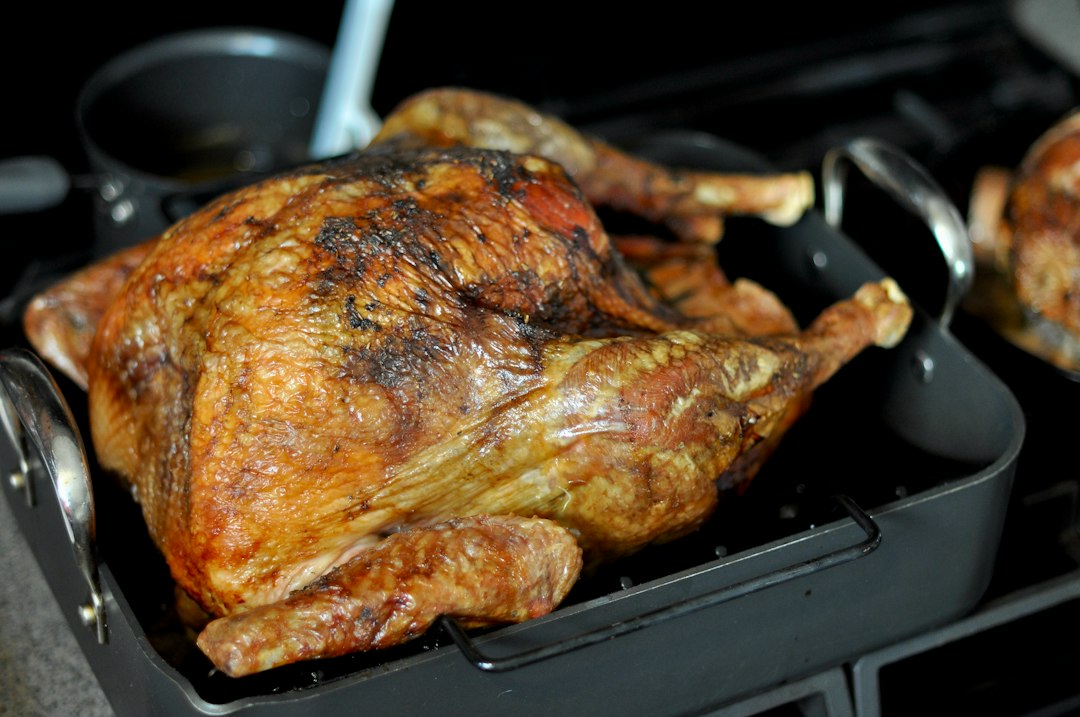
So it’s the big day, the bird is out and resting (and if you’re still guessing at rest temperatures instead of knowing them, my thermometer field guide will serve you better than folklore ever did). Pour the pan drippings into the separator, let them settle for five minutes while you catch your breath, and release that liquid gold into a saucepan.
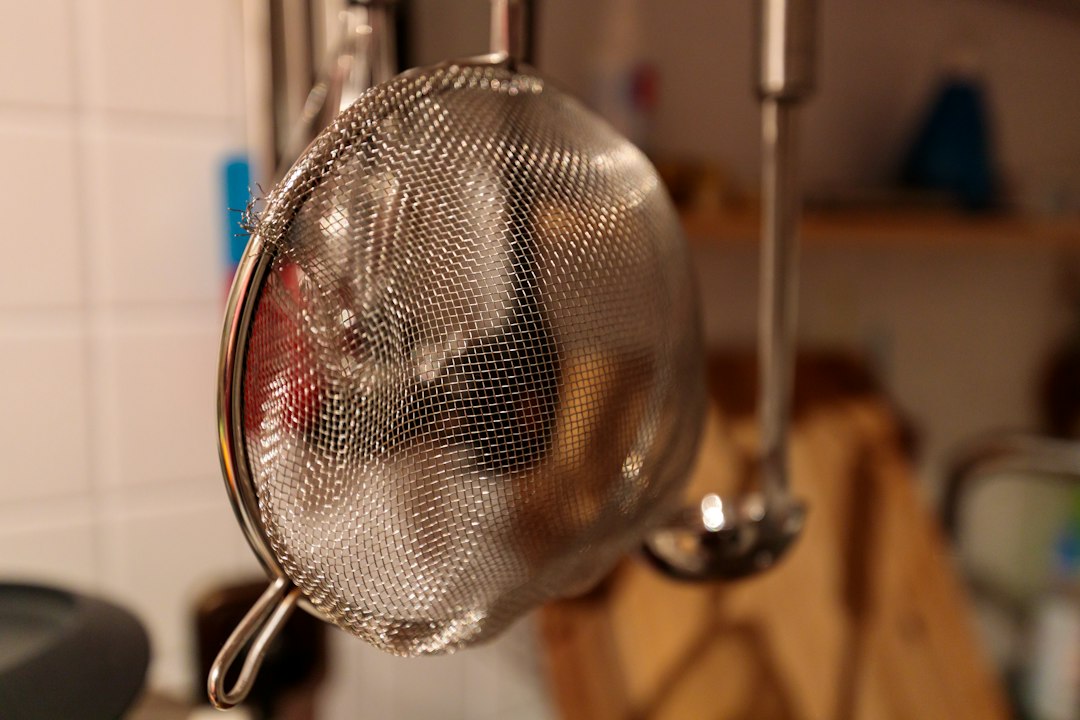
Now the reunion: your Tuesday gravy, thawed and waiting, goes into the pan with the fresh drippings, and you warm them together over medium-low, stirring with a heat-resistant silicone spatula that can scrape every corner without scratching. The fresh drippings wake the whole pot up — suddenly it tastes like this bird, this year, this table. Then pour it through a fine-mesh strainer into your serving vessel and every last stray peppercorn and herb twig stays behind.
 Ten minutes, maybe twelve. No lumps, no burns, no thumb injuries, no parade.
Boats, Warmers, and One Honest Ladle
Gravy’s last enemy is the clock between stove and second helpings. An open bowl loses heat while Cousin Dan tells his story again. My favorite solve is the one an older reader wrote in about years ago: serve from a preheated teapot, which holds warmth like a dream and pours cleaner than any boat. For the rest of us, an insulated gravy boat does real work, and if your table runs long — ours once lasted four hours over a jigsaw puzzle — a small electric gravy warmer keeps the whole vessel at serving temperature without a skin forming on top. Skin on gravy is a small heartbreak. Prevent it.
And keep a real ladle at the table, not a serving spoon doing its best. The spoon drips, the ladle pours. This is the difference between gravy on the potatoes and gravy on the tablecloth, and one of those outcomes ends up in the group chat.
What My Sunday Gravy Knows About All This
There’s a joke in my family that we argue about gravy grammar every October — the Italian-American Sunday gravy of my in-laws and the Thanksgiving kind sharing one word and zero rules. But the two taught me the same lesson from opposite directions: sauce rewards the cook who refuses to rush in front of guests. Sunday gravy simmers all afternoon because nobody’s waiting on it. Thanksgiving gravy used to be the counterexample. Now it isn’t. Same principle, different calendar.
The List That Goes Inside the Cabinet Door
Because memory is nothing and I write everything down, here is the schedule exactly as it lives taped inside my spice cabinet:
- First November Saturday: roast wings hard and brown; simmer stock 2–3 hours; separate, cool, refrigerate overnight.
- Sunday: lift the fat cap, make the roux, build the gravy, season boldly, strain.
- Sunday, later: freeze flat in quart containers. Label them. Label them twice.
- Tuesday of Thanksgiving week: move containers to the refrigerator to thaw slow.
- Thanksgiving, 3:30: separate fresh drippings. Reunite with the base. Warm, strain, pour into a heated boat.
- 3:48: stand somewhere quiet with a glass of something and let everybody else ask if dinner is soon.
That last line is not a joke; it’s the actual product. The tools matter — the separator, the whisk, the good pan, the flat containers — but what you’re really buying back is the one thing no store sells in November, and that’s ten unhurried minutes in your own kitchen while the house fills up. The turkey gets its applause. The gravy gets its silence. Everyone eats better for it.