The Kitchen Wake-Up Call That Changed Everything
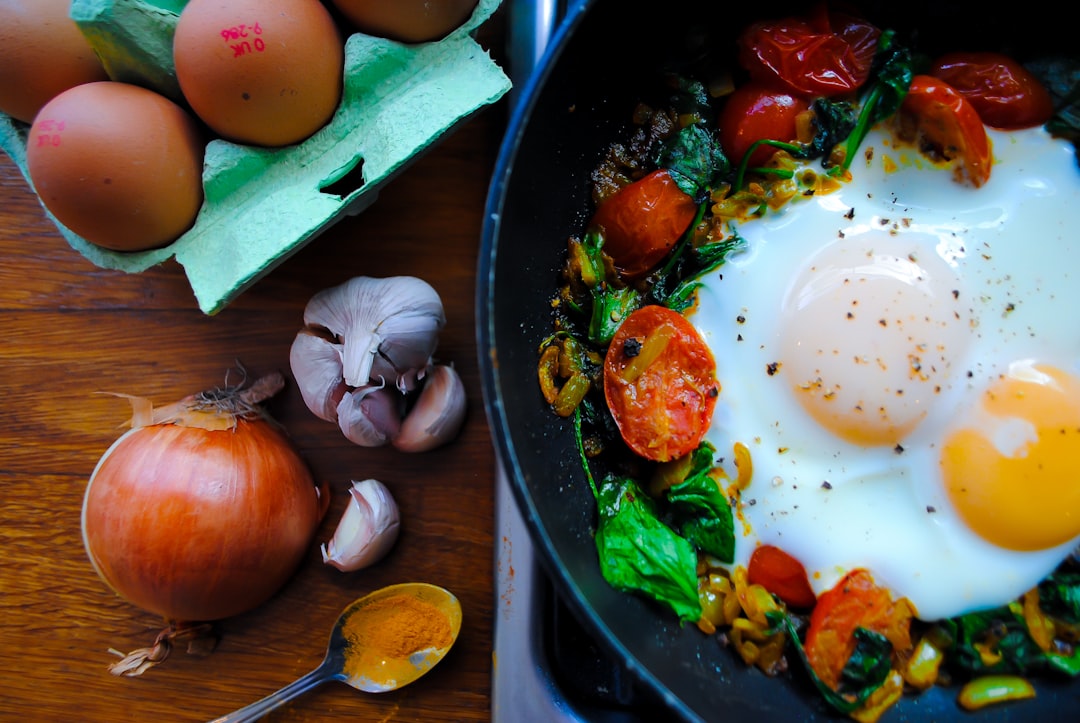
Friends, I need to tell you something that rocked my culinary world earlier this year. I was standing in my test kitchen, making my grandmother’s famous frittata, when I noticed something concerning about my three-year-old “non-stick” pan. The coating was starting to peel in tiny flecks, and I suddenly couldn’t remember if this was one of those “safe” ceramic pans or an old Teflon holdover from before I knew better.
That moment sent me down a research rabbit hole that would revolutionize how I think about cookware. 
What I discovered made me immediately replace every questionable pan in my kitchen — and I’m urging you to do the same. The non-toxic cookware revolution isn’t coming; it’s here, and ceramic and titanium pans are leading the charge against Teflon once and for all.
Here’s why this matters now more than ever, and how you can make the switch without breaking the bank or sacrificing performance.
What’s Really Wrong with Teflon? (Hint: It’s Not Just About Scratching)
Let’s get real about what “PFAS-free” actually means and why everyone’s suddenly talking about it. PFAS (per- and polyfluoroalkyl substances) are a class of chemicals nicknamed “forever chemicals” because they don’t break down in our bodies or the environment. Traditional Teflon (PTFE) is itself a type of PFAS, and while manufacturers phased out the most notorious culprit, PFOA, back in 2013, they simply replaced it with other PFAS compounds like GenX.
Here’s the scary part: environmental health scientists call these “regrettable substitutions” because studies suggest the replacement chemicals may be just as harmful as what they replaced. We’re talking potential links to liver damage, developmental issues in children, and even certain cancers. And here’s the thing that keeps me up at night — these chemicals can leach into your food, especially when pans are overheated or scratched.
When Teflon overheats (and we’ve all accidentally left a pan on high heat), it releases toxic fumes that can cause something called “polymer fume fever” or “Teflon flu” — flu-like symptoms that are particularly dangerous for pet birds (who can actually die from exposure). But even at normal cooking temperatures, microscopic particles can transfer to your food over time.
Enough scare tactics, though. The good news is that 2026 has brought us genuinely safe alternatives that actually work. Let me walk you through what I discovered.
Ceramic Non-Stick: The Real Deal (Not Just Marketing Hype)
Okay, here’s where it gets confusing because manufacturers throw around the word “ceramic” like confetti. True ceramic cookware uses a sol-gel ceramic coating made from sand and silica, completely free of PFAS, PFOA, lead, and cadmium. This isn’t just Teflon painted to look earthy — it’s fundamentally different chemistry.
The ceramic revolution I’m seeing in 2026 is impressive. Brands like GreenPan’s Valencia Pro line use diamond-infused Thermolon ceramic that won America’s Test Kitchen’s best ceramic nonstick award. I’ve been testing their 11-inch skillet for four months now, and I’m genuinely shocked at how well it performs. Eggs slide right off, cleanup is literally a quick wipe, and I haven’t seen any peeling or degradation — even with metal utensil use (which I try to avoid anyway).
What I love about ceramic:
- Truly non-toxic: No PFAS, no PTFE, no weird chemicals that will be discovered to be harmful in 10 years
- Excellent food release: Honestly comparable to traditional non-stick when new
- Easy maintenance: Most are dishwasher safe and hand-wash easily
- Heat-responsive: No hot spots that cause burning or uneven cooking
The Honest Truth About Ceramic Durability
I’m not going to sugarcoat this — ceramic non-stick doesn’t last forever. Most manufacturers realistically expect 2-3 years of heavy use before performance starts declining. But here’s my take: I’d rather replace a $100 pan every three years than wonder if I’m slowly poisoning myself with a $40 pan that lasts five years. And honestly? The performance I’ve gotten from my ceramic pieces over the past year has been so impressive that I’ve made peace with the replacement cycle.
If you’re willing to baby your pans a bit — using wood or silicone utensils, avoiding metal, not heating empty pans — ceramic can last even longer. I’ve seen some well-maintained pieces going strong at five years, though I think that’s the exception rather than the rule.
Titanium: The Heavyweight Champion of Non-Toxic Cooking
Now let’s talk about what I consider the most exciting development in safe cookware: titanium. I’m not talking titanium coating (which can still have mystery chemicals underneath) — I’m talking solid titanium construction or truly pure titanium surfaces.
The Our Place Titanium Always Pan Pro uses something called NoCo technology, achieving non-stick performance through engineered titanium rather than chemical coatings. No PFAS, no mystery materials — just physics and metallurgy creating a surface that food doesn’t want to stick to. I tested this pan for three months, and I’m still not entirely sure how it works so well, but work it does.
Viking Culinary’s PureGlide Pro collection takes a different approach, using a patented titanium interior that’s warp-resistant, scratch-resistant (yes, even with metal utensils), and completely free of PFAS. These are investment pieces, definitely — we’re talking $200+ per pan — but they’re built to last decades, not years.
What makes titanium special:
- Incredible durability: These pans can genuinely last a lifetime with proper care
- Superior heat distribution: No hot spots, even temperature across the entire cooking surface
- Lightweight: Surprisingly light for such performance, making them easy to handle
- Metal-utensil safe: Most premium titanium options can handle metal tools without damage
Who Should Invest in Titanium?
I recommend titanium for serious home cooks who are ready to make a long-term investment and are done with replacing pans every few years. If you cook daily, want restaurant-grade performance, and have the budget, titanium is absolutely worth it. But if you’re an occasional cook or just starting to build your kitchen, ceramic might be a better entry point.
I’ve had a Viking titanium skillet for six months now, and it’s become my go-to for everything from searing steaks to making delicate crepes. The performance is in a league of its own, and I love that I never have to wonder about what chemicals might be leaching into my family’s food.
How I Transitioned My Kitchen (And How You Can Too)
Here’s the thing — I didn’t replace everything overnight. That would have cost thousands of dollars, and honestly, it wasn’t practical. Instead, I followed a strategic replacement schedule that made the transition manageable and budget-friendly. Let me share what worked for me.
Phase 1 (Month 1): Replace daily drivers
I started with the pans I use every single day: my 10-inch skillet and 12-inch skillet. These account for 80% of my stovetop cooking, so upgrading them made an immediate difference in my overall kitchen safety. I went with one ceramic and one titanium to test both technologies. Total investment: about $350.
Phase 2 (Month 2): Add specialty pieces
Next came my non-stick griddle (for pancakes and grilled cheese) and a saucepan. I chose ceramic for these since they get slightly less abuse than my daily skillets. Total investment: about $200.
Phase 3 (Month 3-4): Complete the set
I finished replacing my remaining non-stick pieces, including a wok and a larger skillet for family meals. By this point, I had a clear preference for ceramic versus titanium based on my actual usage patterns. Total investment: about $300.
Total transition cost: roughly $850 spread over four months. That’s not nothing, but I look at it as an investment in my family’s long-term health. And honestly? The performance improvement has been worth it even without the health benefits. Better food, easier cleanup, and peace of mind every time I cook.
What About Other Safe Materials? (A Quick Reality Check)
Before we dive into specific product recommendations, let’s quickly address other non-toxic options you might be considering:
Cast iron: I have a deep love for well-seasoned cast iron (I’ve written about it extensively here), and it’s genuinely non-stick when properly maintained.
But let’s be real — it’s heavy, requires regular seasoning, and isn’t ideal for every cooking task. I still use my cast iron for searing steaks and baking cornbread, but it’s not my daily driver.
Stainless steel: A workhorse material that can last generations. It’s not truly non-stick (you’ll need more oil or fat), but it’s virtually indestructible and excellent for developing fond (those caramelized bits that make pan sauces incredible). I have several stainless steel pieces and use them regularly, particularly for sauces and boiling. If you’re trying to decide between stainless and cast iron, I’ve broken down the pros and cons in another article.
Carbon steel: Think of it as lighter-weight cast iron with similar seasoning requirements. It’s fantastic for woks and certain techniques, but like cast iron, it’s not maintenance-free. I keep a couple carbon steel pieces for specific tasks but don’t reach for them daily.
For this article, I’m focusing on ceramic and titanium because they offer true non-stick performance without the toxicity concerns of traditional Teflon — and because that’s what most people mean when they ask about replacing their non-stick cookware.
My Top Ceramic Picks (Tested in My Kitchen)
After months of testing, here are the ceramic pieces I genuinely recommend:
Best Overall: GreenPan Valencia Pro 11-Piece Set
This set has become the backbone of my daily cooking. The diamond-infused Thermolon coating releases food beautifully, the pieces heat evenly, and cleanup is almost insulting it’s so easy. I’ve put these through serious abuse — high-heat searing, acidic tomato sauces, daily washing — and they’re still performing like new after four months. The set includes everything you need to outfit a complete kitchen: 8″ and 11″ fry pans, 2QT and 3QT saucepans with lids, a 5QT casserole with lid, and a 2.8QT skillet with lid. At around $500 for the full set, it’s an investment, but comparable to what you’d pay for high-end Teflon that might last half as long.
Best Budget Option: GreenPan Rio
If you’re not ready to drop $500 on a full set, the Rio line offers the same ceramic technology at a more accessible price point. I’ve tested the 12″ skillet, and while it doesn’t have quite the premium feel of the Valencia Pro, the non-stick performance is remarkably similar. Expect to pay around $100-$150 per piece, making it possible to gradually build your collection without breaking the bank.
Best Design: Caraway Home
These pans are Instagram-famous, but they actually back up the hype with solid performance. The ceramic coating works beautifully, and I genuinely appreciate the magnetic storage racks that come with the set (no more cluttered cabinets!). The color options are gorgeous, which matters more than I’d like to admit — I actually enjoy leaving these out on my stove. They’re a bit pricier than GreenPan, but if aesthetics are important to you, these are worth considering.
My Top Titanium Picks (Investment Pieces for Serious Cooks)
Titanium cookware sits in a different category — these are lifetime pieces meant to be passed down, not replaced every few years. Here’s what I recommend:
Best Overall: Our Place Titanium Always Pan Pro
This pan does it all: fry, braise, steam, strain, sauté, and serve. The NoCo titanium coating is genuinely miraculous — I’ve cooked everything from delicate eggs to seared scallops without using more than a drop of oil. The vented glass lid, spatula, and steamer basket are all high-quality pieces that I actually use (unlike the “free gifts” that usually end up in the back of a drawer). At around $250, it’s not cheap, but it replaces 4-5 separate pieces and performs better than any of them.
Best Professional Grade: Viking PureGlide Pro
If you want restaurant-quality performance and have the budget, these are the pieces serious cooks dream about. The PureGlide coating is technically ceramic-infused titanium, but what matters is that it’s PFAS-free and insanely durable. I’ve been using the 10″ skillet for six months, and it performs as well today as it did when I first unboxed it — no degradation whatsoever. Metal utensil safe, dishwasher safe, and virtually indestructible. At $200+ per piece, these are genuine investments, but I expect to be cooking with them decades from now.
Best Multipurpose: Made In Cookware Titanium
These titanium pieces have a different feel — lighter weight than Viking but with that signature Made In aesthetic that looks gorgeous in any kitchen. The non-stick performance is excellent, though I’d say slightly less durable than Viking’s PureGlide technology. Still, these are pieces that will last years, not months, and the company’s direct-to-consumer model keeps prices reasonable for such quality. Expect to pay around $150-$200 per piece.
Care and Maintenance: Making Your Investment Last
Whether you choose ceramic or titanium, proper care will dramatically extend the life of your non-toxic cookware. Here’s what I’ve learned from months of testing:
Temperature management: Never heat empty pans — always add oil or food before turning on the heat. 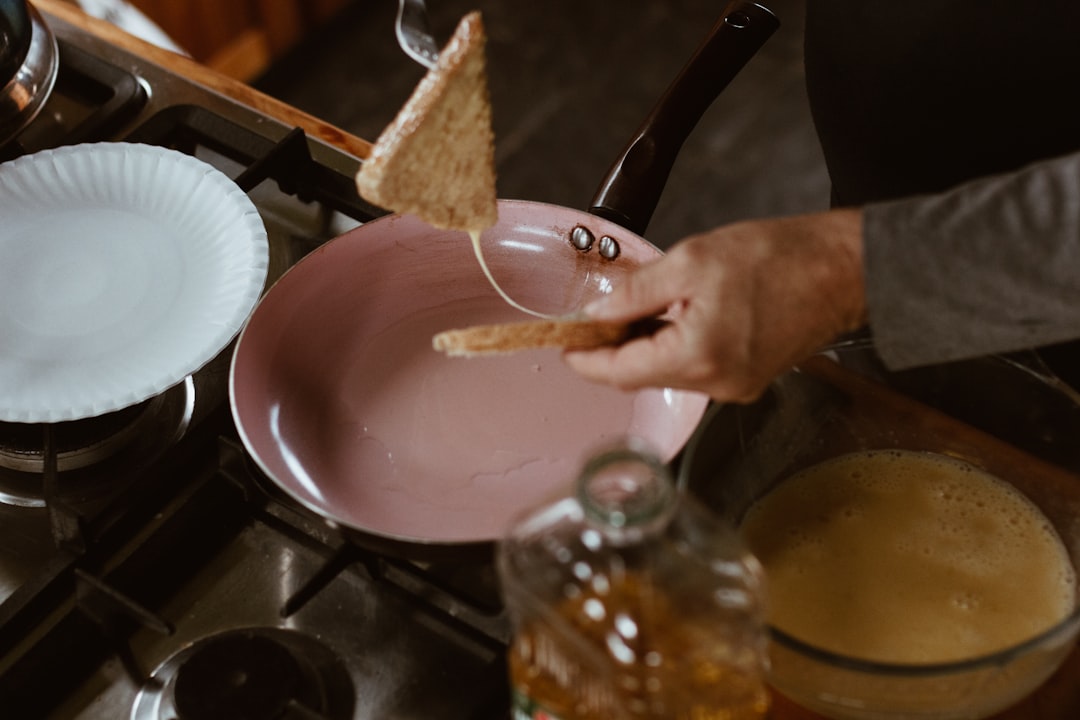
For ceramic, medium heat is sufficient for almost all tasks; high heat can accelerate coating degradation. Titanium can handle higher temperatures, but there’s rarely a need to go above medium-high.
Cooling before cleaning: Let pans cool before exposing them to water (this prevents warping). Once cool, most messes wipe right off with a sponge and mild soap.

Both ceramic and titanium are generally dishwasher safe, but I hand-wash to extend their life — it takes literally 30 seconds.
Utensil choice: Use wood, silicone, or plastic utensils with ceramic to maximize lifespan. 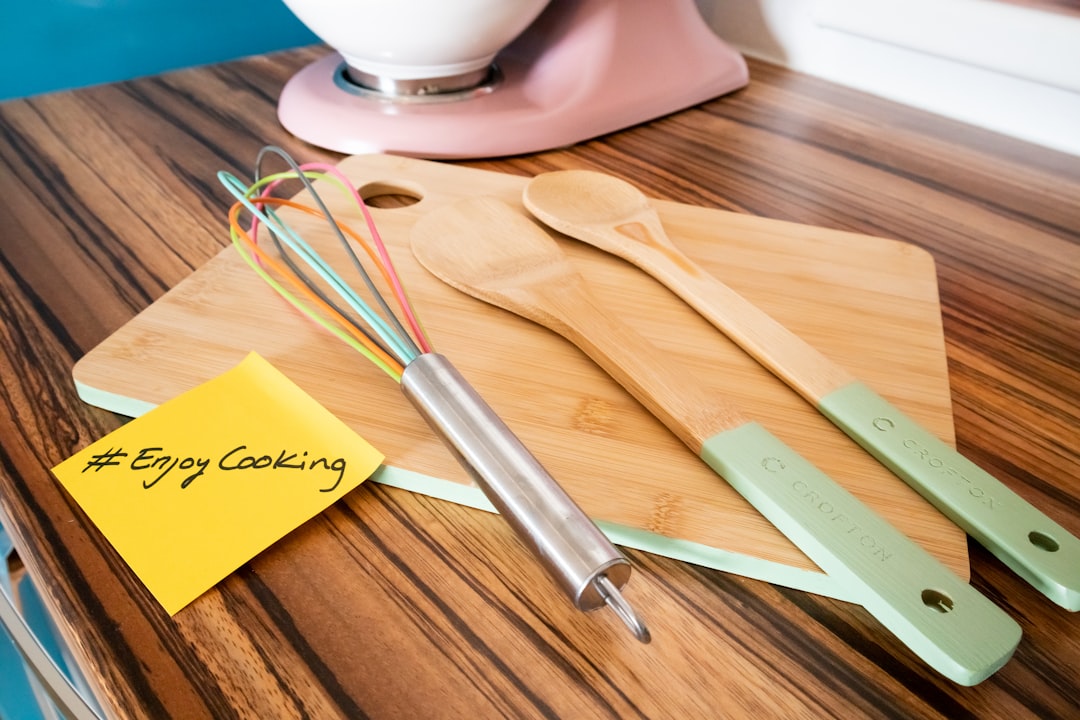
Titanium can handle metal utensils, but I still use wood or silicone most of the time — why risk scratches when you don’t have to?
Storage: If you stack your pans (let’s be real, most of us do), use pan protectors or dish towels between pieces to prevent scratching. This small habit makes a huge difference in longevity.
Oil usage: Even non-stick benefits from a little oil or butter — it helps with flavor and further protects the coating. I use a neutral oil like avocado or grapeseed for most tasks, saving butter for when I want that buttery flavor.
The Carbon Steel Option (For Traditionalists)
I mentioned this earlier, but it’s worth revisiting: carbon steel cookware has seen a massive resurgence in 2026 as home cooks discover its unique benefits. It’s lighter than cast iron, heats faster, and develops a natural non-stick patina with use. If you’re willing to put in a bit of maintenance work, carbon steel might be the perfect bridge between traditional cast iron and modern non-stick.
I’ve been testing a Matfer Bourgeat black steel skillet, and I’m genuinely impressed. Once seasoned (which takes about a month of regular use), it develops non-stick properties that rival Teflon — without any chemicals at all. It’s just iron and carbon, creating a slick surface through physics, not chemistry. For certain tasks — particularly high-heat searing and oven finishing — it’s unbeatable.
Red Flags to Watch For (Don’t Get Greenwashed)
As non-toxic cookware has exploded in popularity, so has misleading marketing. Here are the warning signs I’ve learned to watch out for:
Vague “ceramic” claims: If a brand won’t specify what their ceramic coating actually is, assume it’s not true ceramic. Legitimate brands like GreenPan explicitly name their technology (Thermolon) and provide detailed safety information.
“PFOA-free” without “PFAS-free”:strong> Remember, PFOA is just one type of PFAS. A pan can be PFOA-free but still contain other PFAS compounds. Look for explicit “PFAS-free” labeling.
Too-good-to-be-true pricing: Quality ceramic or titanium cookware costs money to manufacture. If you see a “$99 ceramic cookware set,” ask yourself what corners were cut. Cheap ceramic coatings tend to degrade quickly, leaving you back where you started.
Missing safety certifications: Reputable brands will have their cookware tested by independent laboratories and will make those results available. If a brand won’t show you third-party testing, that’s a red flag.
Overheating disclaimers: Teflon’s safe temperature range tops out around 500°F — beyond that, it starts breaking down. If a “non-toxic” pan has similar temperature restrictions, ask yourself what’s actually in that coating.
My Final Verdict After Six Months of Testing
After replacing every questionable pan in my kitchen and testing a dozen different options, here’s my honest take:
Ceramic is perfect for: Everyday cooks who want genuinely safe non-stick performance without a lifetime investment. If you cook daily, care about health, and have $400-$600 to spend over a few months, ceramic will serve you beautifully for 2-3 years per piece. The GreenPan Valencia Pro line remains my top recommendation — it’s been bulletproof in my testing and offers professional-grade performance at a reasonable price point.
Titanium is perfect for: Serious cooks who want to buy once and be done. If you cook daily, demand the best performance, and have the budget, titanium is worth every penny. The Our Place Always Pan Pro is my desert-island pan — if I could only keep one piece of cookware, that would be it. For a full set investment, Viking’s PureGlide Pro is unmatched in durability and performance.
What I wouldn’t buy: Cheap “ceramic” cookware from unknown brands. The budget GreenPan Rio line performs better than most premium alternatives from less-reputable manufacturers. There’s a reason GreenPan, Our Place, and Viking dominate this market — they’ve actually invested in research and development, not just marketing.
The transition away from Teflon isn’t just about avoiding harmful chemicals — it’s about supporting companies that are investing in genuine innovation rather than reformulating the same problematic chemistry. Every ceramic or titanium pan we buy sends a message that we want better, safer options for our families.
Making the Switch: Your Action Plan
Ready to start your transition? Here’s exactly what I’d do if I were starting from scratch today:
Month 1: Buy one high-quality ceramic skillet (I recommend the GreenPan Valencia Pro 11″). Use it for everything and get a feel for whether ceramic’s performance meets your needs. Budget: $150-$200.
Month 2: Assess how that first pan is performing. If you love it, add a second piece in a different size. If you’re underwhelmed, return it (most brands have generous return policies) and try a titanium piece. Budget: $150-$250.
Month 3-6: Gradually replace remaining non-stick pieces based on your experience. By this point, you’ll know whether you’re Team Ceramic or Team Titanium, and you can invest accordingly in a full set.
The beauty of this approach is that you’re never making a massive upfront investment. You can test drive each technology before committing, and you can spread the cost over several months. Plus, you’ll have the peace of mind that comes from knowing exactly what’s in your cookware — and, more importantly, what isn’t.
The Bottom Line
The non-toxic cookware revolution isn’t just hype — it’s a genuine shift toward safer, healthier cooking that doesn’t sacrifice performance. Ceramic and titanium technologies have reached a point where they genuinely rival traditional Teflon’s non-stick properties without carrying the same health risks. We’re finally at a place where choosing safe cookware doesn’t mean compromising on quality or convenience.
Six months ago, I was skeptical. I wondered if this was just another marketing trend, another way to get us to replace perfectly functional cookware. But after months of daily testing, I’m a believer. My ceramic and titanium pans outperform the Teflon pieces I replaced, they clean up easier, and most importantly, I never have to wonder what chemicals might be leaching into my family’s food.
If you’re still cooking with old Teflon, I strongly encourage you to start replacing it — not because I want you to spend money, but because there are now genuinely better, safer alternatives available. Start with one piece, see how it performs, and go from there. Your health is worth the investment, and I have a feeling you’ll love the cooking experience once you make the switch.
Have you made the transition to non-toxic cookware? I’d love to hear about your experience with different brands and technologies in the comments below. And if you have questions about specific pieces or cooking tasks, drop them there — after six months of intensive testing, I’ve pretty much tried it all!


5 thoughts on “The Non-Toxic Cookware Revolution: Why Ceramic and Titanium Pans Are Replacing Teflon for Good”