I’m going to let you in on a little secret that took me way too long to learn: sometimes spending more in the kitchen actually saves you money. Not always — I’ve returned my fair share of overhyped gadgets that gathered dust — but there’s a sweet spot where a splurge transforms your daily cooking routine so completely that you wonder how you ever managed without it.
After fifteen years of testing kitchen equipment professionally and a lifetime of cooking before that, I’ve developed a pretty reliable radar for what’s worth the investment and what’s just expensive packaging. Today I’m sharing the six kitchen purchases I kicked myself for not making sooner, and the three I sent right back to the store. Because honestly? The difference between a smart splurge and a waste of money usually comes down to one question: will this make you want to cook more? If the answer is yes, it’s probably worth every penny.
The Copper Mixing Bowls I Thought Were Pretentious
I know, I know — copper bowls sound like something out of a fancy magazine spread, not a real person’s kitchen. But here’s the thing about copper: it reacts with egg whites in a way that stabilizes them, giving you taller, shinier meringues and lighter whipped cream than you’ve ever made. I hemmed and hawed about buying a set for three years. Three years of perfectly fine but never-quite-transcendent desserts.
The weekend I finally brought home a set of hand-hammered copper mixing bowls, I made a lemon meringue pie that literally brought my neighbor to tears. Was it entirely the bowls? Probably not. But the confidence that comes from using a tool that genuinely elevates your technique? That’s real, and it matters. Plus, they’re stunning on open shelving, which is a bonus I didn’t fully appreciate until I saw them every morning with the sunlight catching those warm metallic tones.
If you bake even occasionally — especially if you make meringues, soufflés, or any whipped egg white situation — a good copper bowl is not a luxury. It’s a quiet superpower sitting on your counter.
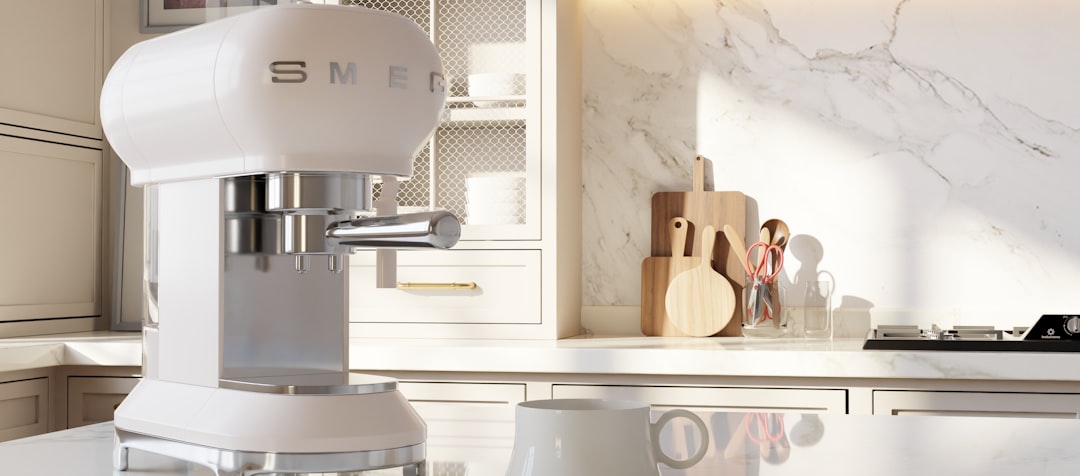
The Espresso Machine That Ended My Café Habit
Let’s do some quick math. Five dollars a day, five days a week, fifty-two weeks a year. That’s $1,300 a year on coffee shop lattes — and that’s being conservative. I spent years telling myself I couldn’t justify a home espresso machine because the good ones were “too expensive.” Meanwhile, I was pouring that same amount into a paper cup every morning and rushing out the door without actually enjoying a single sip.
The day my home espresso machine arrived, everything about my morning changed. I started actually tasting my coffee. I experimented with different beans. I learned to steam milk properly — which, by the way, is one of the most satisfying kitchen skills you can master. Now my morning ritual is fifteen quiet minutes with a perfect cappuccino instead of fifteen stressed minutes in a drive-through line.
Here’s what I wish someone had told me: you don’t need the most expensive model to get café-quality results. A solid mid-range machine with good pressure and a proper steam wand will do the job beautifully. The key is consistency — using it every day, just like those baristas do.
A Real, Grown-Up Cutting Board Collection
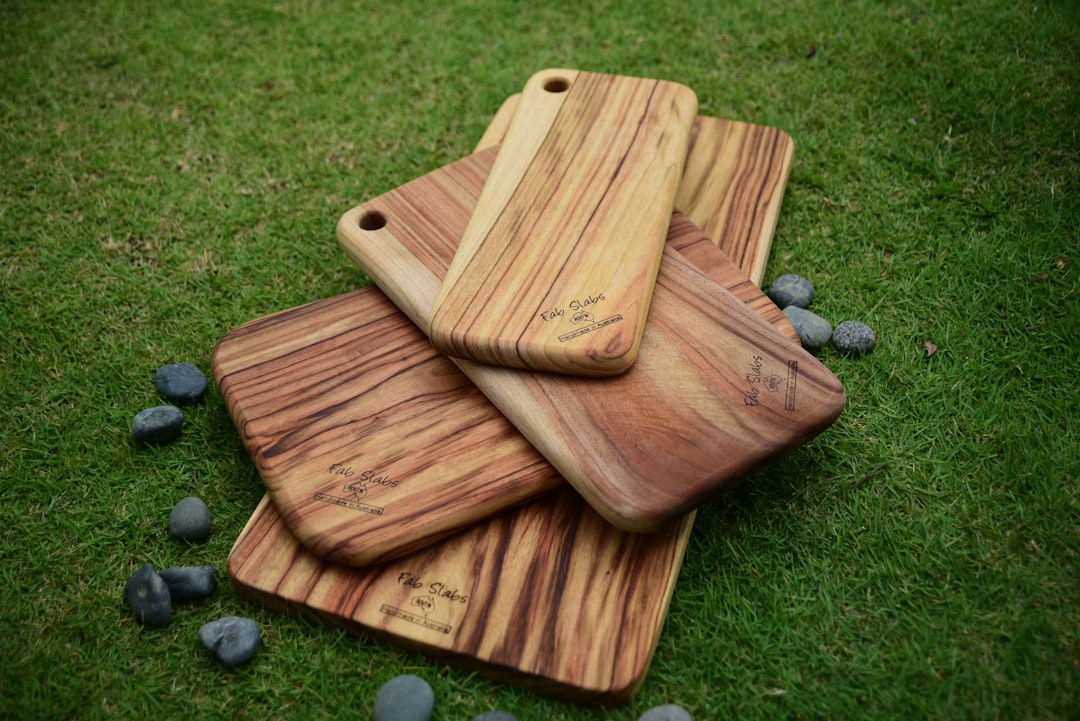
For years I cooked on the same two flimsy plastic cutting boards that warped in the dishwasher and smelled like garlic no matter how many times I scrubbed them. I thought cutting boards were cutting boards — a purely functional item where spending more was just throwing money away. Oh, how wrong I was.
Investing in a set of quality end-grain cutting boards was like switching from flip phones to smartphones. A thick, properly seasoned end-grain board is gentler on your knives, doesn’t harbor bacteria the way scarred plastic does, and provides a stable, satisfying surface that makes prep work feel less like a chore. I bought one large one for vegetables and bread, one medium for proteins, and a small one for quick tasks like slicing lemons or mincing herbs.
The upkeep is honestly minimal — a quick oil rub every few weeks and they stay gorgeous for years. Mine have developed this beautiful patina that tells the story of a thousand meals. When guests come over, they always comment on them. And to think I almost didn’t bother. If you’re still using warped plastic boards, do yourself a favor and check out my complete cutting board buying guide — I tested dozens before finding the ones worth recommending.
The Dutch Oven That Made Me Love Braising
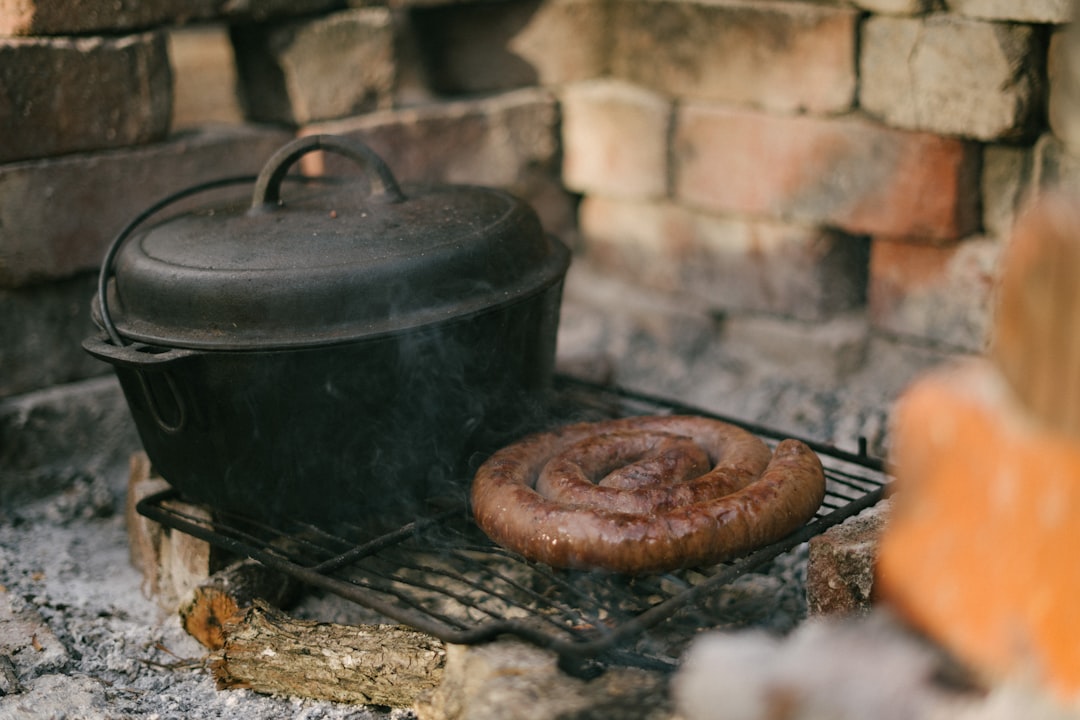
There’s a reason every professional kitchen has at least one enameled Dutch oven, and it’s not because they look pretty (though they absolutely do). A good enameled cast iron Dutch oven distributes heat so evenly and retains it so well that it turns tough, inexpensive cuts of meat into the most tender, flavorful meals you’ve ever made. We’re talking about the kind of dishes that make people close their eyes when they take the first bite.
I spent years avoiding braising because I thought it was complicated and fussy. Turns out, with the right vessel, it’s one of the laziest and most rewarding cooking methods there is. Sear your meat, add aromatics and liquid, pop it in a low oven, and walk away for two to three hours. That’s it. The Dutch oven does the rest.
What I love most is the versatility. Soups, stews, bread (yes, bread — the no-knead method works beautifully in a Dutch oven), deep frying, cobblers — this one pot handles an astonishing range of cooking tasks. If you want to learn more about cast iron cookware, my cast iron care guide walks you through everything from seasoning to storage. And if you’re building a kitchen from scratch, this should be one of your first major purchases. Period.
A Proper Spice Organization System
This one might seem small, but hear me out. For years, my spice cabinet was chaos — half-empty jars shoved in the back, duplicates I didn’t know I had, spices so old they’d lost all flavor. Every recipe that called for something beyond salt and pepper became a scavenger hunt that tested my patience and sometimes my language.
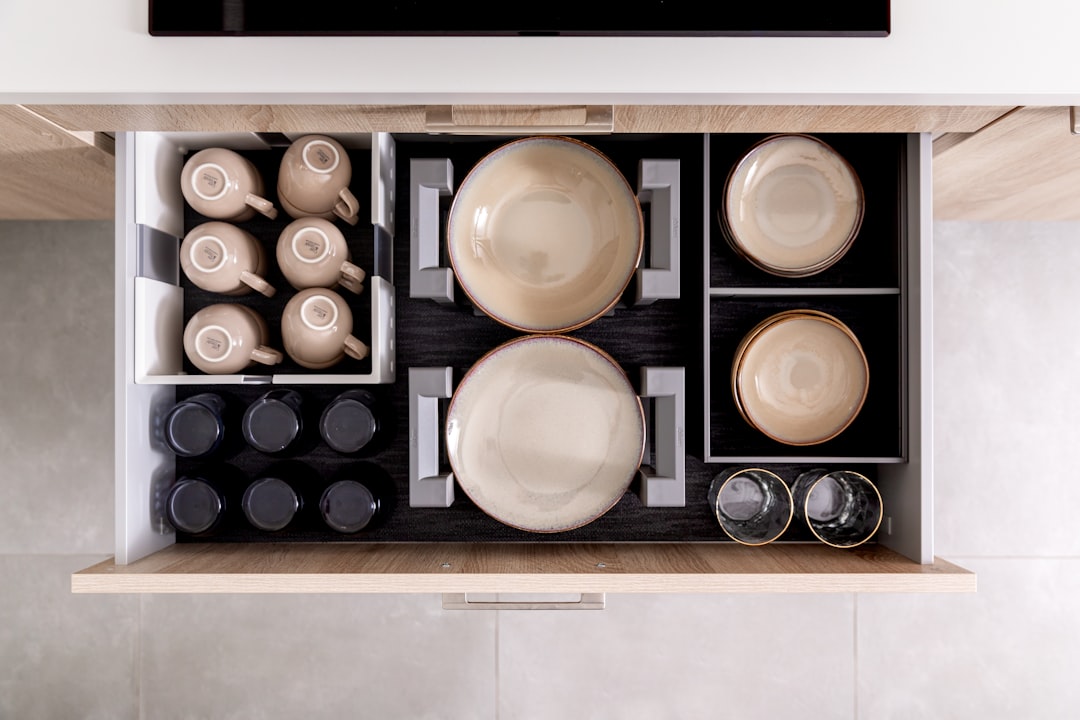
Finally investing in a real spice organization system — in my case, a set of uniform glass jars with labels, stored in a drawer on tiered shelves — changed the way I cook. Not just the way I find spices, but the way I actually use them. When everything is visible and accessible, you start reaching for coriander and smoked paprika and cardamom instead of defaulting to the same three seasonings every time.
It’s the kitchen equivalent of having a well-organized closet — suddenly you see possibilities instead of obstacles. And fresh spices in airtight jars? The flavor difference compared to those dusty plastic bottles from three years ago is genuinely shocking. For more ideas on organizing your kitchen, check out my tiny kitchen storage makeover — it’s packed with solutions that actually work in real homes.
The Food Scale That Made Me a Better Baker
For the longest time, I was a volume-measuring cook. Cups, spoons, a little of this, a pinch of that. It worked fine for the savory dishes I’d been making since childhood — the ones where instinct and experience carry you through. But baking? Baking is where precision matters, and I was stubbornly refusing to acknowledge it.
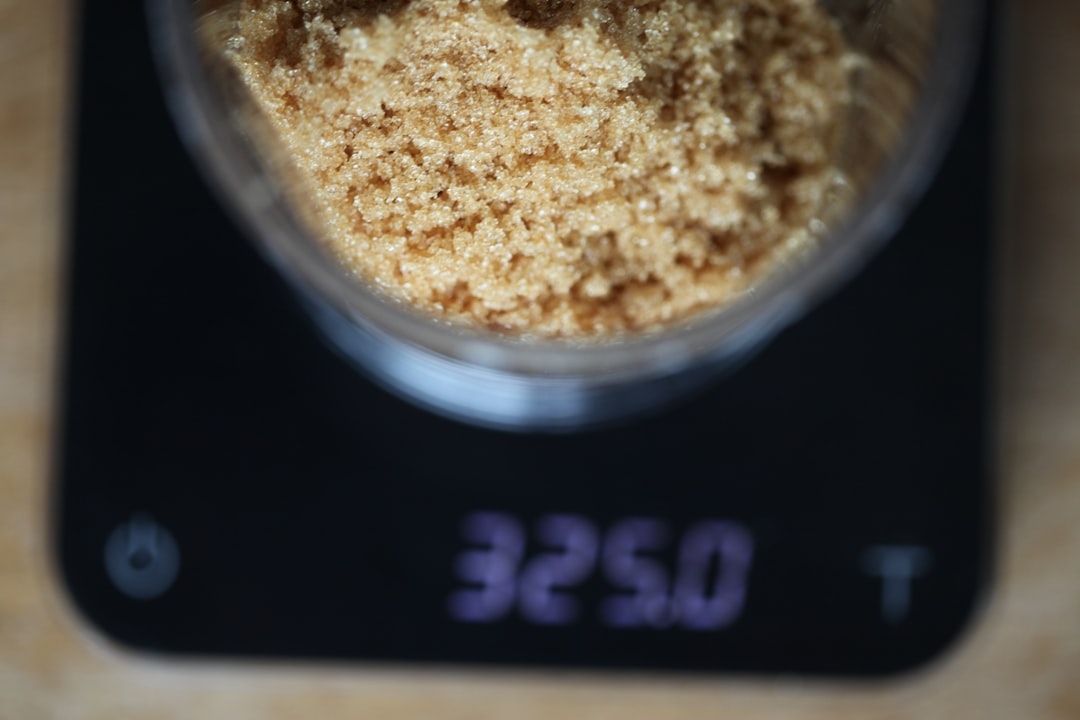
Buying a reliable digital kitchen scale was the single fastest improvement I ever made to my baking. Cookies that spread evenly instead of unpredictably. Cake layers that matched in height. Bread dough that behaved the way the recipe said it would. When you measure by weight, you eliminate the single biggest variable in baking — the fact that a “cup” of flour can weigh anywhere from 120 to 150 grams depending on how you scoop it.
The bonus I didn’t expect? It makes portion control effortless. Turns out my idea of a “serving” of pasta was actually about two and a half servings. No wonder I always felt stuffed after dinner.
Now, the Three I Sent Back
The Smart Cutting Board with Built-In Screen
I wanted to love this. A cutting board that weighs your food, suggests recipes, and displays nutritional information right there on the surface? It sounds like the future of cooking. In reality, the screen fogged up from steam, the charging port corroded from moisture, and the app required a subscription I didn’t want. After two weeks of fighting with Bluetooth connectivity while trying to chop onions, back it went. Sometimes the smartest kitchen tool is the one that doesn’t try to be smart. I wrote about kitchen habits worth unlearning, and relying on technology for basic tasks is high on that list.
The Countertop Pizza Oven
Look, I make fantastic pizza in my regular oven and in my outdoor pizza oven. But the indoor countertop version? It heated my kitchen to unbearable temperatures in summer, the stone cracked after a month, and the results weren’t dramatically better than a preheated baking steel in my conventional oven. For the price tag, I expected life-changing pie. What I got was a very expensive gadget that made my kitchen smell like a pizzeria without the charm. If you’re serious about pizza at home, invest in a good baking steel instead. It costs a fraction of the price and delivers genuinely professional results in your regular oven.
The Electric Wine Opener Set
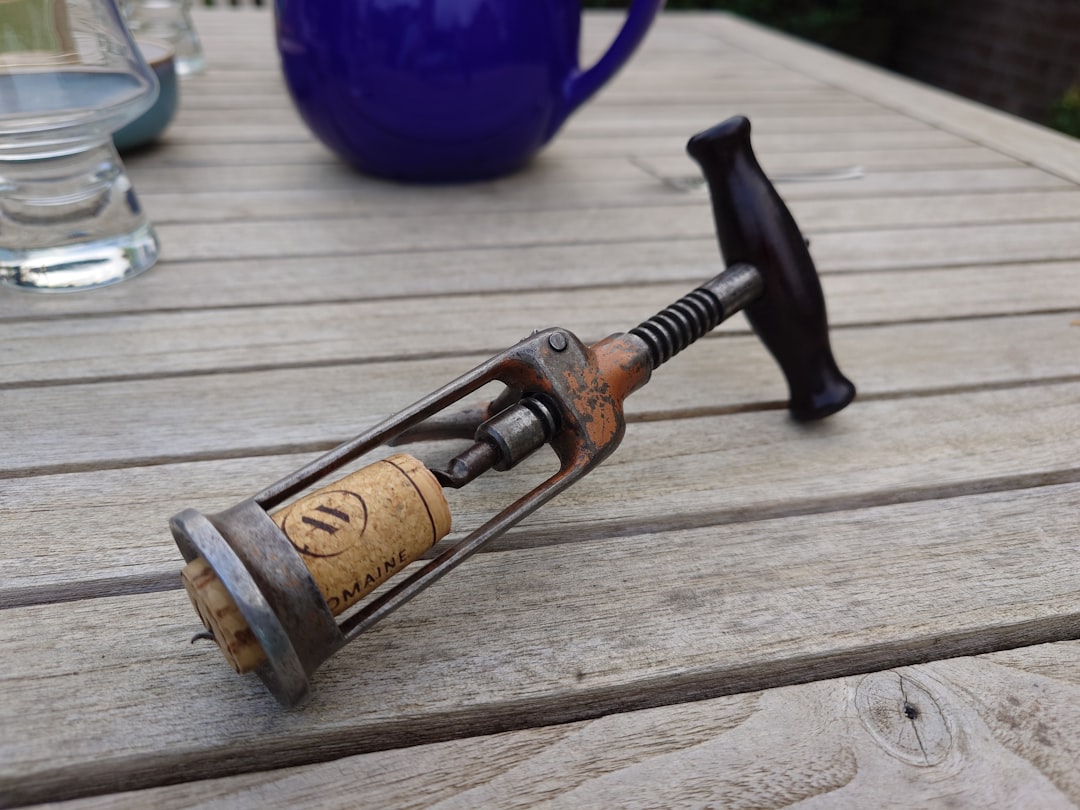
This one hurts a little because I really wanted it to be good. The idea of effortlessly opening any bottle of wine with the push of a button is undeniably appealing. But in practice, it was louder than my blender, left corks crumbling into the wine about a third of the time, and needed charging more often than my phone. A quality waiter’s corkscrew costs about twelve dollars, works every single time, and fits in a drawer. Sometimes the simplest tool really is the best tool — a lesson I apparently needed to spend sixty dollars to learn.
The Bottom Line on Kitchen Splurges
Here’s what I’ve learned after all these years of testing, buying, returning, and occasionally falling in love with kitchen equipment: a smart splurge isn’t about the price tag. It’s about the gap between what you’re currently settling for and what’s actually possible. My copper bowls didn’t just improve my meringues — they made me excited to make meringues. My Dutch oven didn’t just cook better stews — it opened up an entire category of cooking I’d been avoiding for no good reason.
The tools you reach for every day, the ones that make you feel capable and creative in your own kitchen — those are worth investing in. The gadgets that promise to revolutionize everything but require Wi-Fi, a subscription, and a degree in electrical engineering? Those are usually worth returning.
Trust your instincts. Cook the way that makes you happy. And if something in your kitchen frustrates you every single time you use it, that’s your sign to upgrade your kitchen tools. Life’s too short for dull knives, warped cutting boards, and lukewarm coffee.