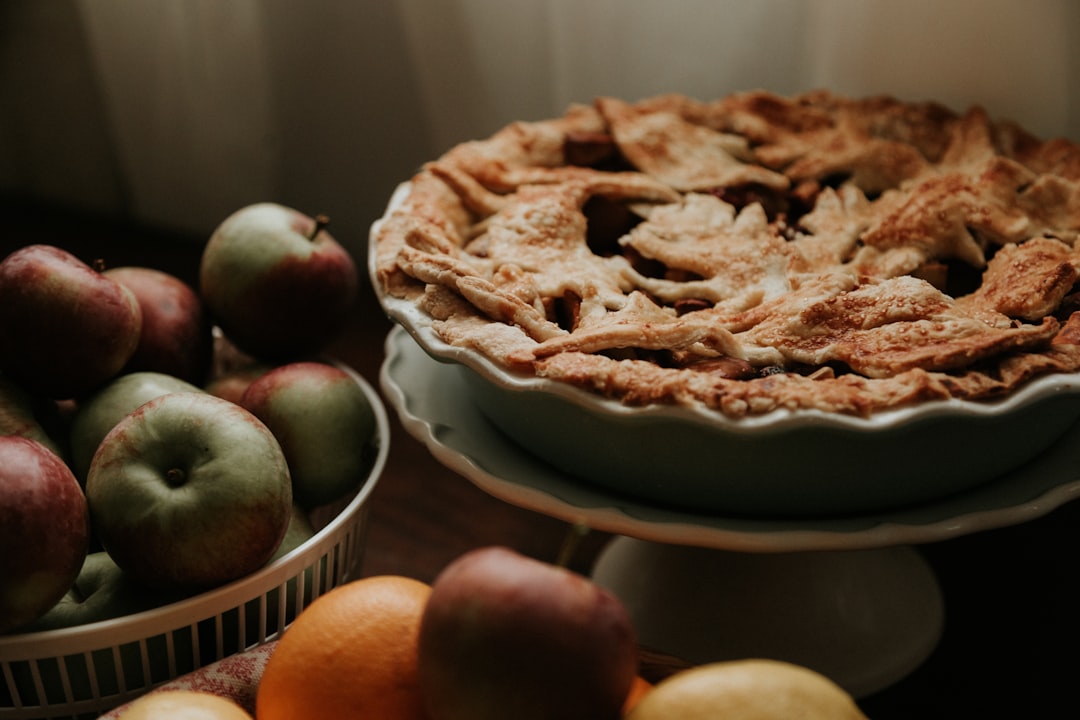
Every August, somewhere between the last peach cobbler and the first school night, my kitchen goes quiet for exactly one afternoon. That’s the day I pull the pie bin down from the top shelf, spread its contents across the counter, and take inventory like a general before a campaign. My team knows the ritual by now — one of them brings the coffee, another brings the clipboard, and we argue about pie weights like it matters. It does matter. Apple season in my part of the country opens in early September, and when those first crates of Cortlands and Honeycrisps hit the farm stand, I don’t want to be in the baking aisle hunting for a crust shield. I want to be home, rolling.
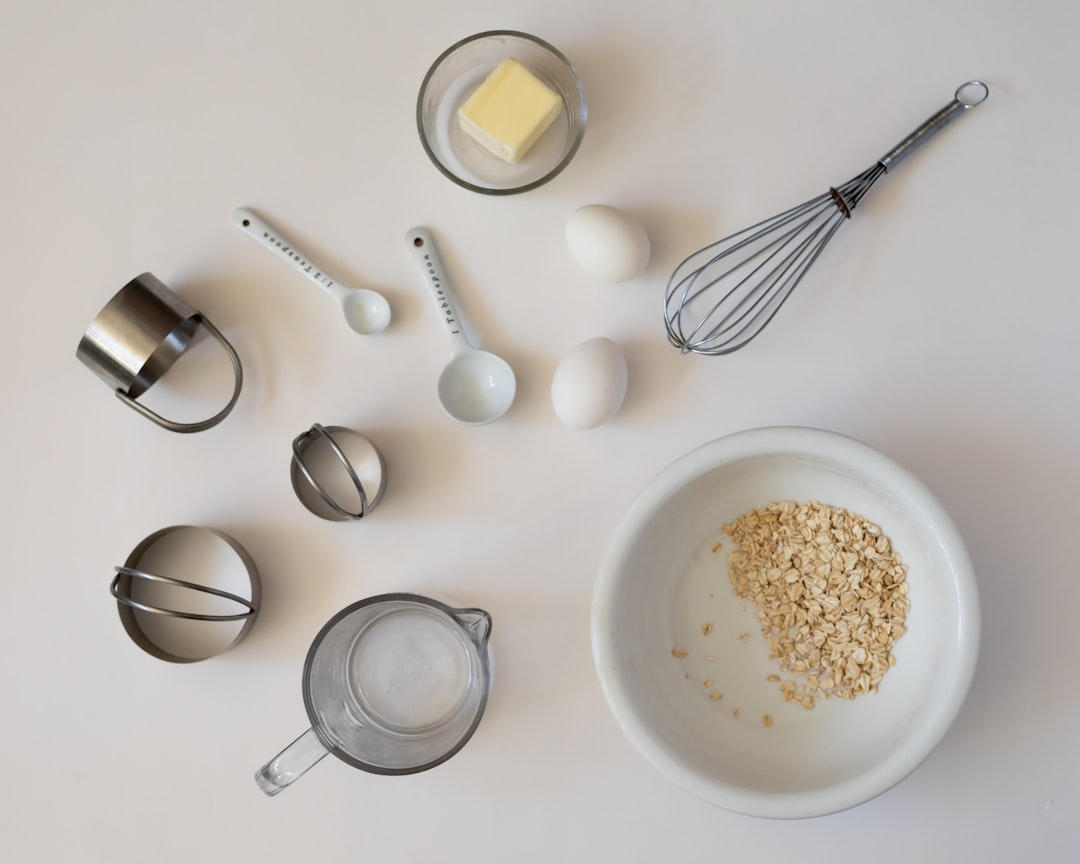
I learned pie the way some kids learn to ride a bike — badly at first, then all at once. My grandmother could blend a crust by feel in a bowl older than my mother, and for years I thought the tools didn’t matter because hers were ancient and she out-baked everyone at the county fair. It took me two decades and a lot of tough lessons to understand the truth: the tools don’t make the baker, but the right ones stop fighting you. And pie is the one baking project where everything fights back — sticky dough, cold butter, fragile edges, wet fillings. So here’s the kit I restock, replace, and defend every single August, tested across more pie seasons than I care to admit.
The August Ritual Nobody Talks About
Spring cleaning gets all the poetry, but pie-season prep is the maintenance day that actually saves my Septembers. The logic is simple. Pie gear sits idle from roughly March through August, and things happen to idle equipment: silicone dries out, wooden pins develop cracks from dry kitchen air, ceramic weights end up scattered in a drawer where nobody can find them. One afternoon of inspection in mid-August means that when I’m standing over twelve pounds of apples on a Saturday morning, nothing fails me mid-recipe.
My checklist has shrunk over the years, which is the whole point. I used to keep a cabinet of pie gadgets — a dough docker, three different crimpers, a lattice wheel I used twice. Now the kit fits in one bin, and every item in it has a job it does better than anything else I’ve tried. That’s the standard: earn the bin space. If you’re building your first fall pie kit, this is the order I’d buy things in, and roughly what each one actually does for your crust.
Start With the Surface: A Pastry Mat That Stays Put
The first pie of every September used to start the same way: dough sticking to my counter, me adding more flour, the dough getting tougher, the crust getting worse. Then a friend on my test crew taped a silicone mat to the island and told me to stop making things hard. She was right, and I’ve kept a non-stick silicone pastry mat with measurement markings in rotation ever since. The markings alone are worth it — being able to roll to an exact eleven-inch circle instead of eyeballing it means your crimp actually fits the dish.
Look for one that’s oversized, because pie dough has a way of expanding beyond whatever boundary you set for it. The mat also drops your flour usage noticeably, and less added flour means a more tender crust. Mine lives rolled up in the pie bin from September to December and has survived four seasons without cracking. When a ten-dollar flat sheet of silicone outlasts gadgets costing ten times more, it earns a permanent spot.
The Pin Debate, Settled by Twenty Years of Dough
Ask five bakers about rolling pins and you’ll get five confident, contradictory answers. I’ve used handled pins with nylon sleeves, tapered French pins, a marble monstrosity that weighed as much as a bowling ball, and one beautiful heirloom beechwood pin that belonged to my great-aunt. After twenty years of rolling, my answer is boring and certain: a long tapered French rolling pin in solid wood gives you more control than any handled pin made. Your palms feel the dough’s thickness directly. You steer with pressure instead of muscling it flat. Laminated doughs, croissant-adjacent projects, pie crust — everything improves.
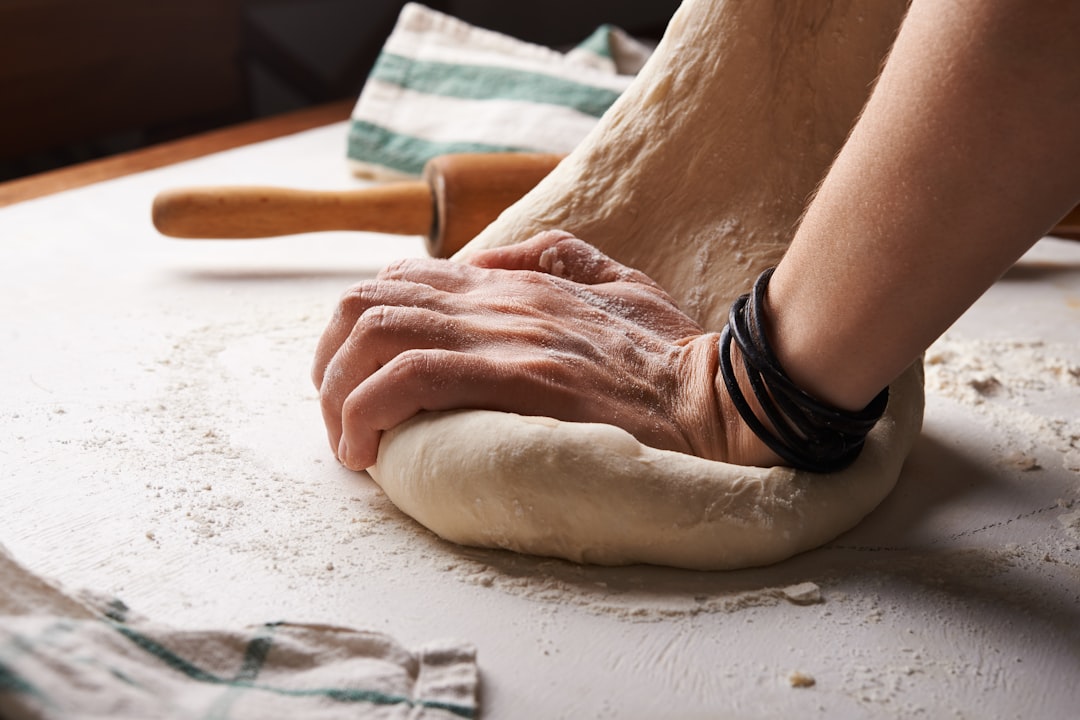
The secret nobody tells beginners is that a French pin punishes nothing and teaches everything. When one edge runs thick, you can lean into just that side. Try that with a pin spinning on ball bearings. If you’ve only ever used a handled pin, the first ten minutes feel strange, and by the second pie you’ll wonder why anyone still makes the other kind. Oiling it once or twice a season keeps the wood from drying out — which is exactly the kind of small August maintenance this whole ritual exists for.
And while we’re on the counter: a stiff stainless bench scraper is the pin’s loyal sidekick. It scoops stuck dough without tearing it, portions dough cleanly, sweeps flour off the mat, and doubles as a crud-removal tool when you’re done. Mine is fifteen years old and I’d replace it tomorrow with the identical model.
Cold Butter, Fast Hands, the Right Blender
Pie crust is a race against temperature. You want the fat coated in flour in pea-sized shards before it softens, because those shards are what melt into flaky layers in the oven. Your fingertips can do this work — my grandmother’s did — but fingers are warm, and warm is the enemy. A good stainless pastry blender with a sturdy handle does the job in under a minute without ever raising the dough’s temperature. This is the tool I replace most often, because the thin blades eventually bend, and a bent blender mashes instead of cuts.
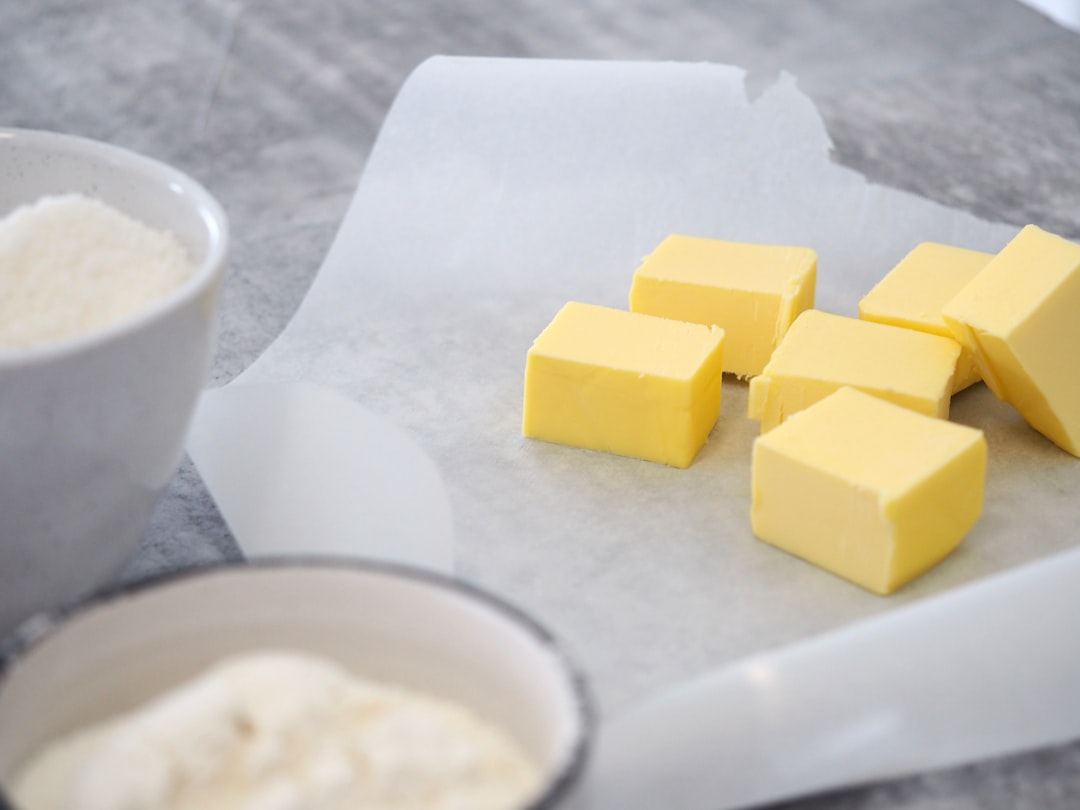
Cube your butter first and freeze it for fifteen minutes while you measure flour. Then work fast, and stop when the mixture looks like coarse crumbs with a few walnut-sized chunks still visible. Those survivors become the flakes. I wrote about the weighing revolution in my kitchen in my three-year quest for the perfect kitchen scale, and pie dough is the place that lesson pays off most — scooped flour can vary by ounces, and pie dough notices.
Blind Faith: Why Pie Weights Earn Their Jar
Then there’s the blind bake — prebaking the shell for custards and no-bake fillings — which is where cheap gear betrays people. An unfilled crust bubbles, slumps, and shrinks like it’s trying to escape the pie plate. A generous layer of ceramic pie weights holds the sides where they belong so you get a shell with straight edges and a flat bottom instead of a lopsided bowl. Dried beans work once or twice, then they start smelling like burnt toast; ceramic weights last forever and conduct heat better anyway.
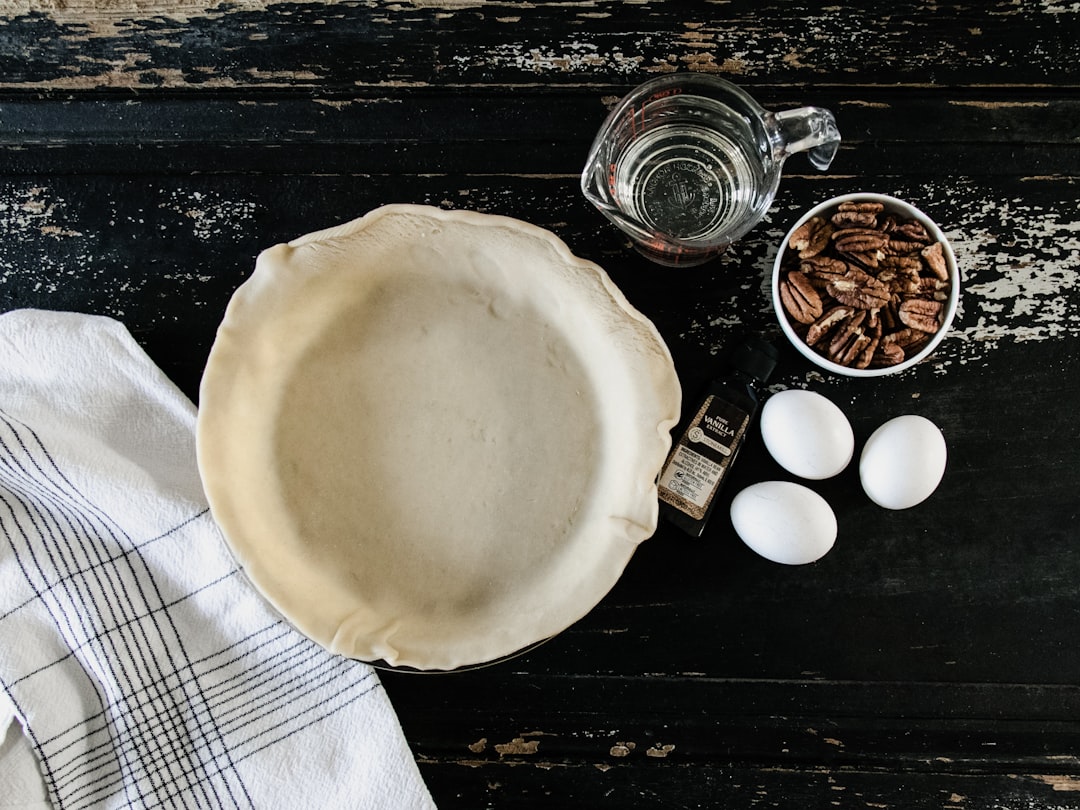
Line the shell with parchment, pour the weights against the sides, bake hot then lift and finish. My jar of weights is on year six and has baked more pumpkin pies than some ovens. I mention this every fall and I’ll keep saying it: the weights are the cheapest insurance in baking.
The Dish Is the Recipe’s Last Act
You can roll a perfect circle and still serve a soggy wedge if your dish conducts heat poorly. I own fancy ceramic pie plates in colors that photograph beautifully, but the workhorse is plain glass. A classic clear glass pie plate does two things ceramic can’t: it lets you see whether the bottom crust is actually golden, and glass transfers heat efficiently enough that the base crisps instead of steaming. The fluted-rim version, like this Pyrex fluted glass plate, gives even nervous crimpers a built-in head start on a pretty edge.
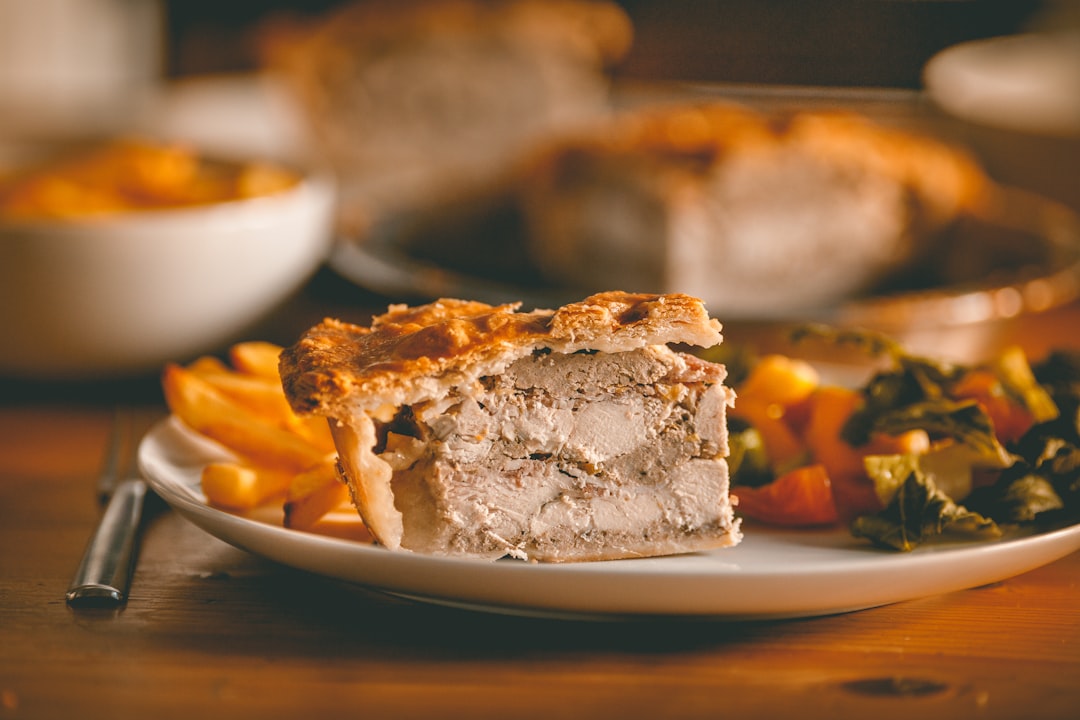
Buy two while you’re at it. September in my house means one pie for us and one for the neighbor who shares apples from her tree, and washing a single dish between bakes is nobody’s idea of a good Saturday. Glass also moves from oven to table to fridge without ceremony, which is the entire personality of pie — unpretentious food that performs.
Apple Season’s Loudest Argument-Saver
Every September my kitchen staffs up — which is to say, family wanders in wanting to help. Nothing stalls a pie faster than a mountain of apples and one paring knife. The fix is a clamp-mounted apple peeler, corer, and slicer, the kind with the hand crank that looks like something from a nineteenth-century general store. It peels, cores, and slices in one pass. A ten-pound bag of apples goes from orchard crate to sugared bowl in about fifteen minutes, and the uniform slices mean even cooking instead of apple mush with structured survivors.
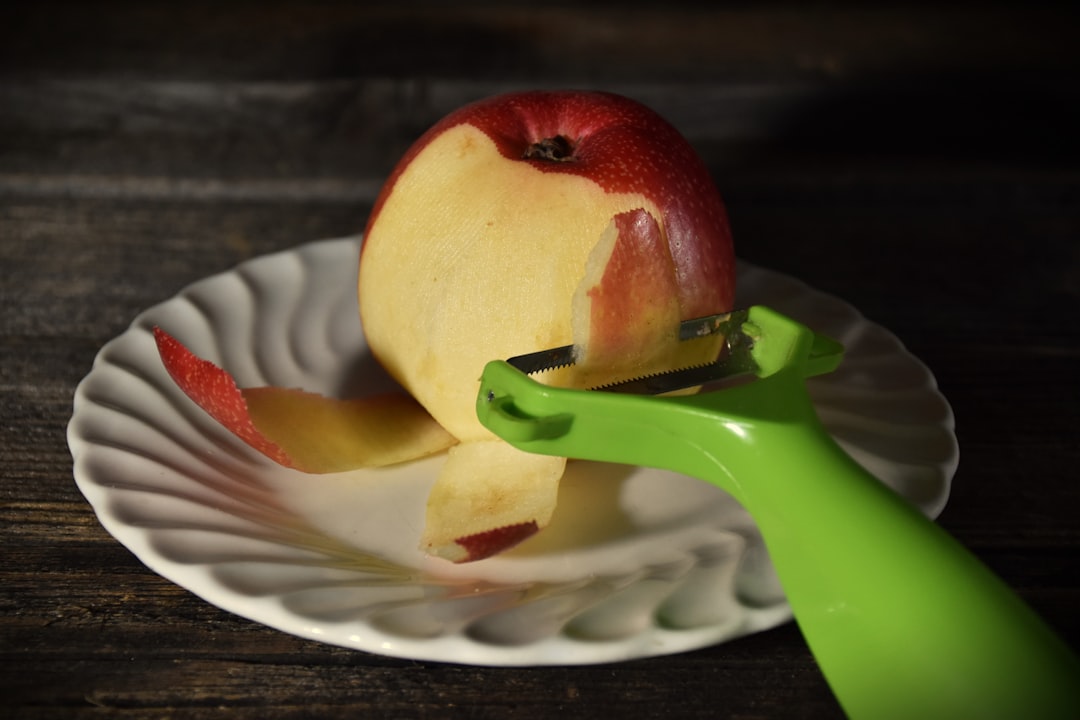
Is it a unitasker? In the hands of a cynic, maybe. In September, it’s the difference between baking two pies in an afternoon and announcing that we’ll do the second one “next weekend,” which never comes. Clamp it to the counter edge, mind the suction, and store it in its box so the blade stays sharp. This is the tool my guests always ask about, and the one I always end up demonstrating.
The Edge Patrol
Pie edges burn because ovens are uneven and crust edges are thin and exposed. Some people fashion foil tents, and I did for years, usually dropping mine into the filling at a critical moment. An adjustable silicone pie crust shield solves the whole problem for a few dollars — it rings the edge, flexes to fit dishes from eight to eleven and a half inches, and comes through the dishwasher without complaint. Mine goes on at minute twenty-five of every fruit pie.
The shield’s partner is a heat-resistant silicone pastry brush, for painting on egg washes and laying down a buttery shine on lattice tops. Silicone doesn’t shed bristles into your crust the way natural brushes eventually do, and it survives the dishwasher. Small tool, invisible until you need it, indispensable the moment a recipe says “brush with egg.”
Cooling Down Without Falling Apart
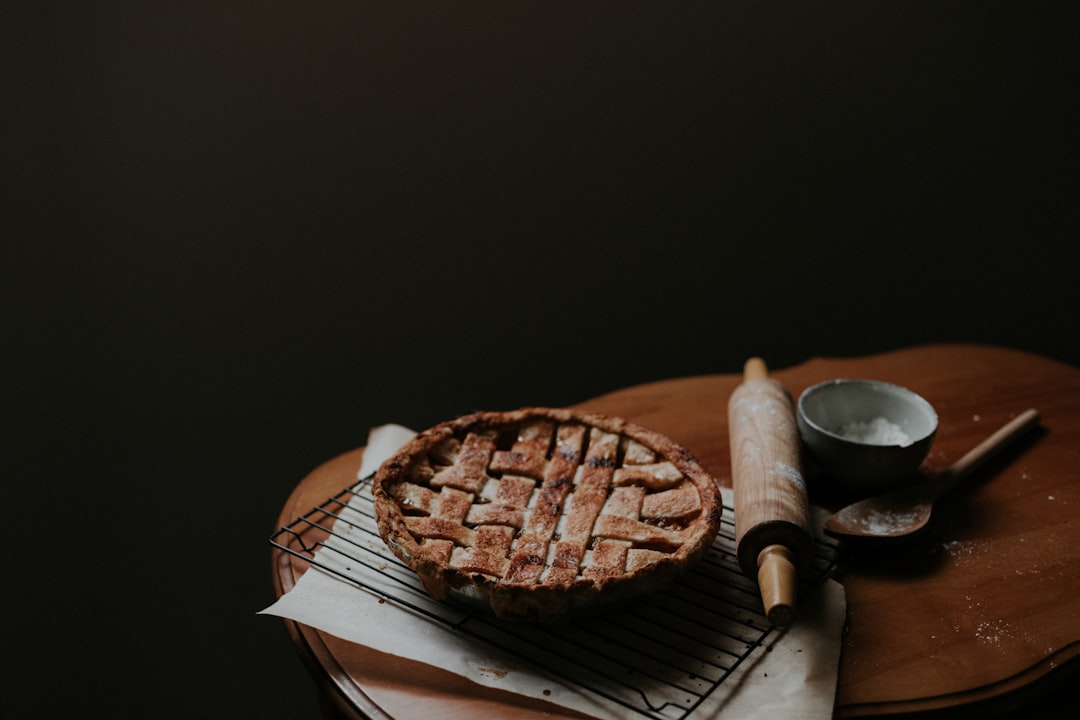
The last lesson of pie season is patience, and gear can quietly teach it. A pie fresh from the oven is structurally ambitious — the filling is still molten and the crust hasn’t set. Set it on an elevated sturdy wire cooling rack so air moves underneath, which keeps the bottom from steaming soggy while everything firms up. Give a fruit pie a full three hours. I know. I lecture myself on this annually while my family circles the pie like sharks.
The Short List for September
If you’re starting from zero, this is the buying order my years of testing would recommend: pastry mat and French pin first, because rolling is where most crusts fail. Pastry blender and glass dish next. Weights, shield, and brush after that — they’re inexpensive and they protect your work. The apple peeler joins the family when your first big orchard haul humbles you. None of it is exotic, and that’s the point.
My grandmother ran her pie operation with a fraction of this kit and still won ribbons, so let’s be honest about what matters most: practice, cold ingredients, and a dough you make often enough to know by feel. But she also never had to bake for a blog audience, photograph the results, and teach a crew of helpers on a Saturday morning. The tools in my bin don’t replace her instincts. They just clear the runway so that when the first crates of September apples arrive, the only thing left to think about is filling. If you want a glimpse of how I handle the rest of the baking year — from scaling flour to the mixer that survived it all — here’s what fifteen years and four mixers taught me, and the great sheet pan audit covers the slab-pie contingent. August is for sharpening the kit. September is for butter.

2 thoughts on “Cold Butter, Hot Oven: The Pie Kit I Restock Every August Before Apple Season”