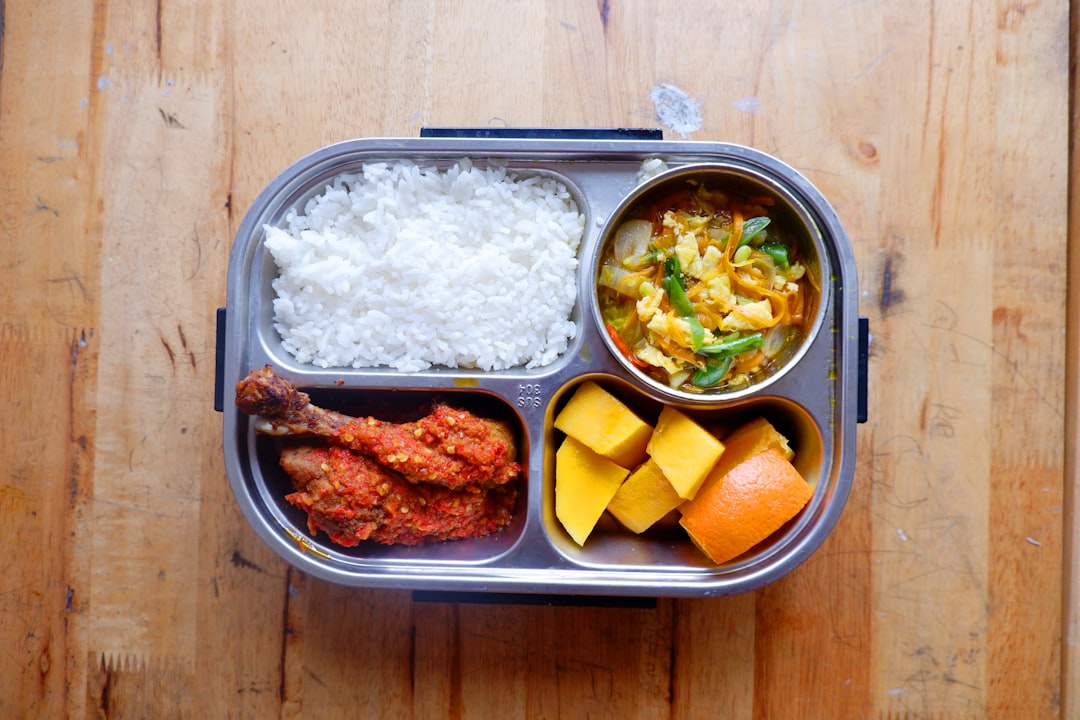
The right school lunch gear — leakproof bento boxes, insulated food jars, slim ice packs — turns a chaotic seven a.m. scramble into a five-minute routine. After a full school year of packing lunches for my sister’s two kids (and a summer of re-testing every box, jar, and bag in our crew’s collection), I finally know exactly what earns permanent space in the lunch drawer and what quietly falls apart by October. This is the gear that survived, and the little system that makes the whole week hum.
Every August, the same drawer in my kitchen accuses me. It holds the wreckage of last school year: a bento box missing one latch, a food jar whose lid smells faintly of tomato soup no matter how many times it goes through the dishwasher, an ice pack split open like a sad deflating pillow. My grandmother carried her lunch in a tin box with a domed lid, and she’d have laughed at how much engineering we now pour into a meal that gets eaten in twelve minutes at a wobbly cafeteria table. But she also packed that tin with the same care she gave Sunday dinner, and that’s the standard I hold our school lunch gear to now.
So this year, instead of patching the drawer back together in September, we rebuilt it in August. My testing team — my sister, her two kids, and three neighbor families who got roped into what the kids now call “the lunch experiments” — ran eight months of real-world trials. Here’s what lived, what died, and what I’d buy again without blinking.
The Box Comes First, and Compartmentalization Wins
The single biggest upgrade you can make to school mornings is switching from a pile of mismatched containers to one leakproof compartmentalized box. One lid, one latch, one thing to wash. The kids can open it without help, which matters more than any other feature — a lunch a six-year-old can’t open is a lunch a six-year-old doesn’t eat.
Our workhorse ended up being the Bentgo Kids bento-style lunch box, with five sealed compartments sized suspiciously well for real kid appetites: a sandwich section, two snack wells, a fruit well, and one little round spot that seems designed for exactly seven pretzels or a dab of hummus. It survived a school year of being dropped, tossed, and sat on, and the seals never leaked — even with yogurt, which is the acid test. For hot-weather months when the lunch sits in a warm cubby until noon, my sister switched to the Bentgo Chill, which has a built-in ice pack tray that snaps into the bottom. You freeze the tray overnight, click it in at seven a.m., and it buys you hours of cold insurance.
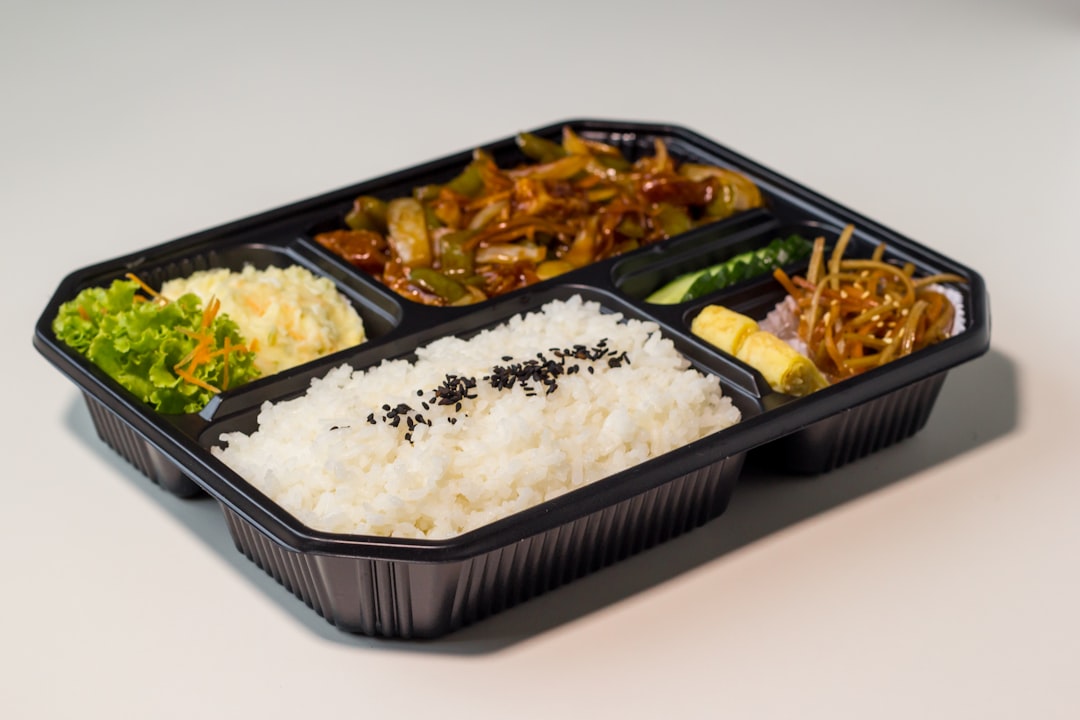
The one caution from our test crew: check the latches at winter break. The hinges are tough, but one of our boxes came back in January with a latch that had gone lazy after hundreds of openings. Bentgo replaces those under their two-year warranty, which is more than I can say for the off-brand box the neighbors started with — that one cracked like a walnut in week three.
The Thermos Question: Hot Lunch Without the Heartbreak
Somewhere around the first cold week of October, both kids declared sandwiches “a summer food,” and the great thermos experiment began. The winner was decisive: the THERMOS FUNtainer food jar, 10 ounces, with a folding spoon tucked into the lid. Fill it with boiling water for two minutes while you assemble the rest of the lunch, dump it, then load hot food — it was still warm enough at 12:30 that my nephew announced his pasta was “actually good,” which if you know him is a five-star review. The ten-ounce size is right for elementary kids; my sister’s teenager commandeered the 16-ounce FUNtainer for bigger appetites and it performs identically.
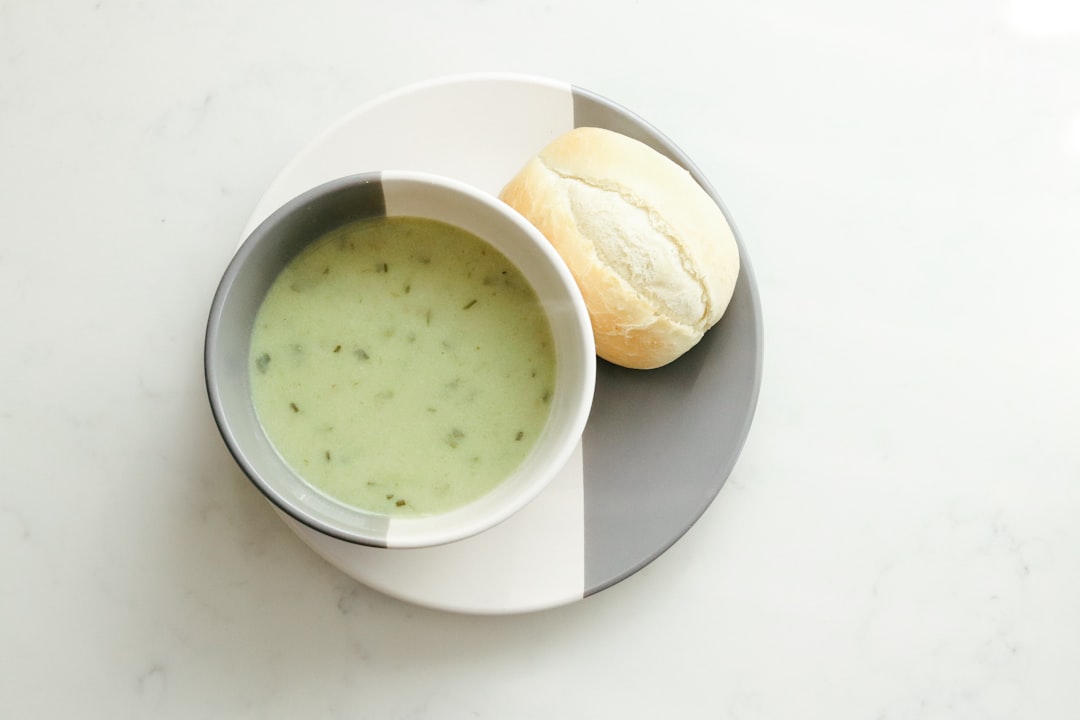
For kids who want hot and cold in one box, there’s the OmieBox, which pairs an insulated thermos well with bento compartments. It’s the only box we found that genuinely does both — soup on one side, berries on the other, no negotiation. It’s pricier and has more parts to wash, so I’d call it a specialty tool: worth it for a soup-lover, overkill for a cracker-and-cheese kid.
When You Want the Box to Outlive Elementary School
If you’d rather buy one lunch box for the next decade, stainless is the move. The PlanetBox Rover was the tank of our test — a single sheet of food-grade stainless steel with labeled compartments and magnetic decorations the kids swap like trading cards. It won’t hold soup on its own, but PlanetBox sells a leakproof “Big Dipper” dip container that rides along inside, and honestly the whole thing looks like it could be handed down to grandchildren. My grandmother’s tin box energy, finally available in dishwasher-safe form. The tradeoff is price — it costs about what three plastic bentos do — but after watching one Rover shrug off a full school year while two plastic boxes aged out, the math evens out for families with rough-and-tumble kids.
The Cold Chain: Ice Packs and the Bag That Carries It All
A bento box is only as safe as the cold keeping it company, so we tested ice packs the way my grandmother tested pie crusts — repeatedly, and with strong opinions. The Cool Coolers slim ice packs from Fit & Fresh took the crown: they’re thin enough to slip above and below the box without turning the bag into a brick, freeze fast, and sweat very little. Four to a pack, which is exactly enough to always have a clean rotation going.
The bag matters just as much. The FlowFly insulated soft lunch bag won our budget slot — roomy enough to stand a bento box upright with an ice pack on top, easy-wipe lining, and a handle that survived being hung on every hook, fence, and doorknob within reach of a second-grader. If your school’s cubbies run warm or lunch is late in the day, size up so the ice pack can sit above the food, where cold air falls down over it. That’s a trick from my catering days that works just as well in a $15 kids’ lunch bag as it did in a catering cooler.
The Bottle Rule: One Kid, One Bottle, Zero Leaks
Water bottles are where most lunch gear money goes to die, so I’ll be blunt: buy one good bottle per kid and stop. The ThermoFlask Kids 16-ounce insulated bottle with straw lid was our survivor — cold water at pickup on a June field day, a straw lid kids can operate one-handed, and a leak record of nearly zero over the year. The straw lid does need a weekly deep-clean (a bottle brush and a drop of dish soap down the straw channel — do it Sunday and you’ll never smell what we smelled in May).
Portion Tricks That Make the Box Feel Full
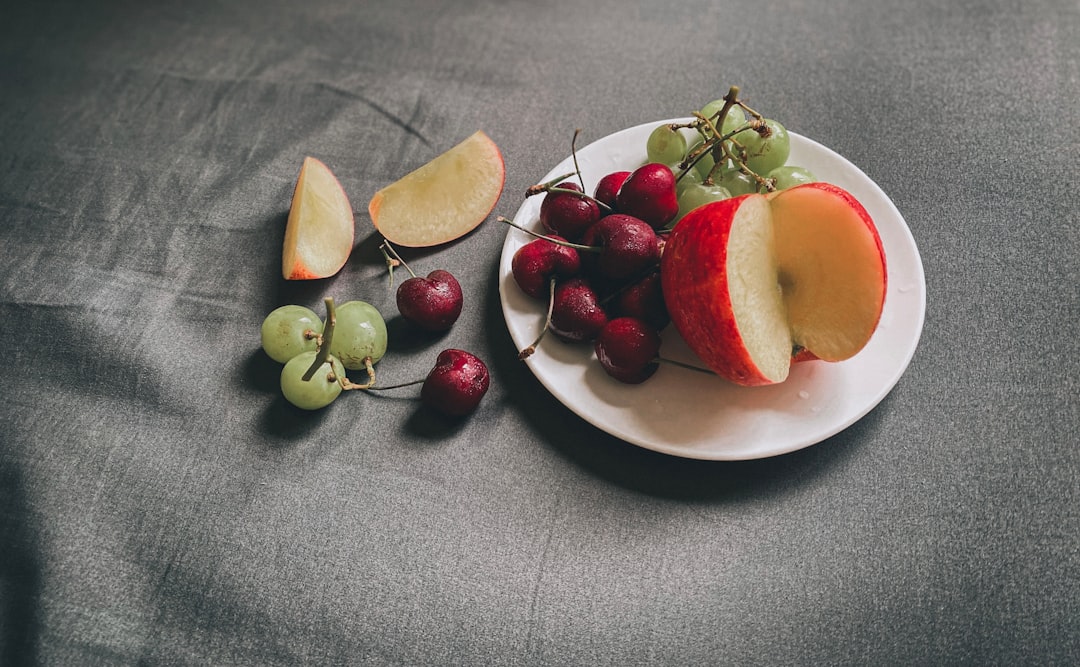
Half of packing a lunch kids finish is the theater of it — a box that looks abundant gets eaten, a box that looks sparse comes home untouched. The cheapest upgrade in this entire article is a set of reusable silicone muffin cups. Drop one into a larger compartment and suddenly you have a “snack well” inside a main well: crackers here, cheese there, berries in their own space. They wash in the dishwasher, they never stain, and my crew’s favorite Sunday trick is baking a batch of muffins or egg cups directly in them, freezing the extras, and tucking one into lunch boxes all week — a homemade grab-and-go that costs pennies.

For the preschool set, we also loved reusable silicone squeeze pouches you fill with smoothie or applesauce at home. The refillable version pays for itself in about two weeks if your kid goes through store-bought pouches, and you control exactly what’s in it — ours were mostly spinach-and-pear smugglers, and nobody ever suspected a thing.
The Sunday Assembly Line (Twenty Minutes, Five Lunches)
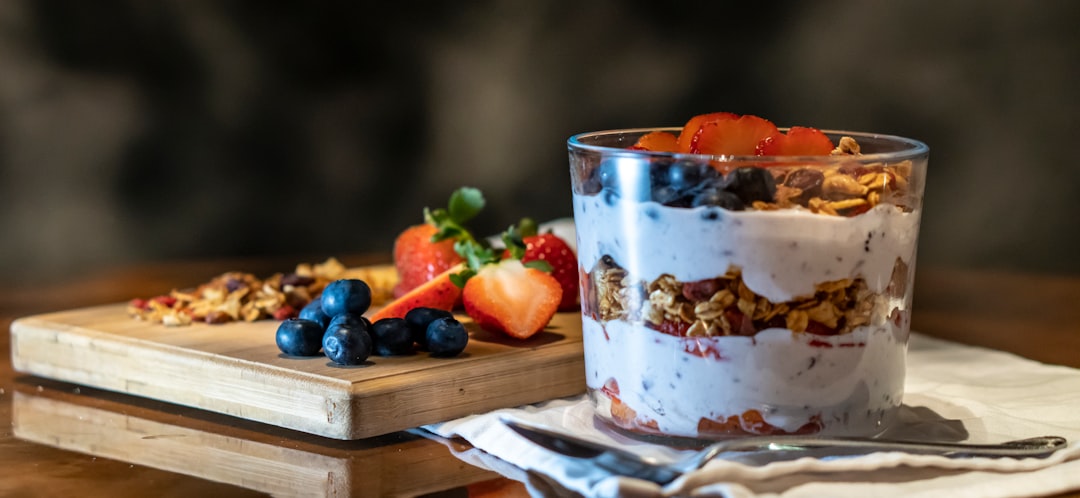
Here is the routine that saved our school year, and it takes less time than one episode of whatever the kids are watching. Sunday afternoon, we line up the boxes and fill the snack and fruit wells for Monday through Wednesday: portioned crackers, washed grapes, cheese cubes, sliced vegetables in damp paper towels. Parfaits get assembled in small containers — yogurt, then berries, then granola in its own tiny cup so it’s crunchy at noon, not paste. Three days of cold components, done in one sweep, exactly the way I batch my own freezer-stocking ritual for weeknight dinners.
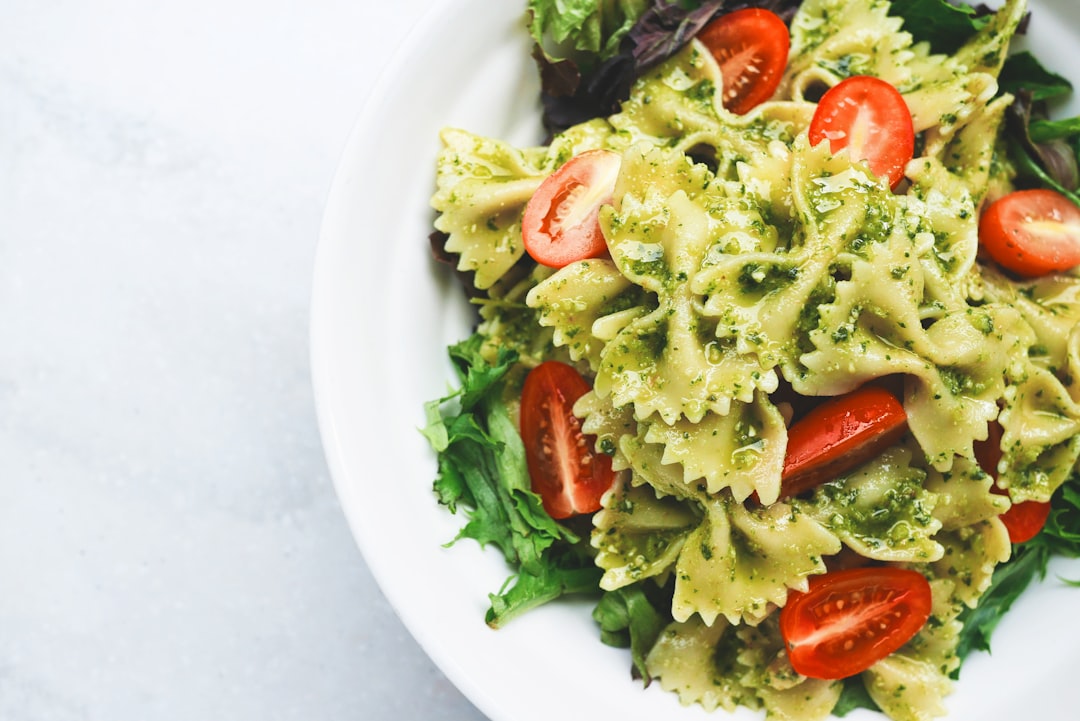
Pasta salads are the Monday hero of the hot-lunch rotation — cook a double batch Sunday night, dress it simply, and it packs beautifully whether it rides in the thermos warm or in the box cool.
Mornings, then, are assembly only: sandwich or thermos in, pre-filled wells in, ice pack on top, bottle clipped to the side. Seven minutes, both kids, no raised voices. My sister timed it.
Keep the Drawer Honest
All of this gear lives or dies by the drawer that holds it, and a lunch drawer goes feral fast if you let it. We gave ours the same treatment I gave my spice cabinet during the great cumin census: everything out, matches made, orphans banished. One box per kid, one bottle each, thermoses nested, ice packs in a bin by the freezer. If you’re setting up a first kitchen for a college kid instead of a lunchbox for a second-grader, the same rules apply — I wrote up our whole starter-kitchen philosophy when we equipped a twelve-square-foot kitchen that actually works, and it starts with owning less but better.
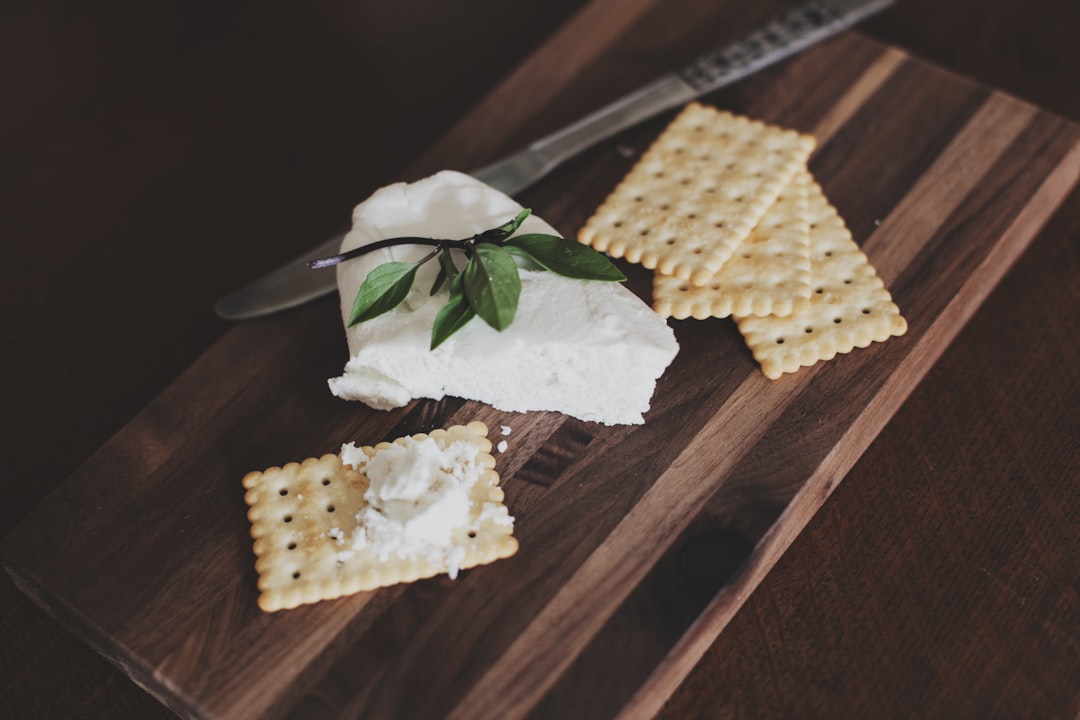
The last thing in the drawer isn’t gear at all. It’s a small stack of lunch notes — my grandmother slipped one into that tin box maybe six times total, and I remember every single one. A leakproof seal gets the food there; a two-second note is what gets remembered. Pack both.

2 thoughts on “The Lunch Drawer Autopsy: What Survived a Full School Year (and What I’m Buying for September)”