Every September, my inbox fills up with the same question, and it never arrives in July when you’d expect it. It arrives the week the tomatoes give out and the zucchini stops being cute. “Elena, I shredded four pounds of cheese by hand for the school potluck and I’m done. Which food processor do I actually buy?” By the third such email this week, I gave in, called in my test kitchen crew, and pulled every bowl, blade, and disc we own onto the counter for one loud, glorious afternoon of side-by-side trials. Consider this everything we learned.
I’ll say the quiet part first: a food processor is not a blender with delusions, and it is not a gadget. It is the only machine in the kitchen that shreds, slices, kneads, and purées — often in the same hour, sometimes in the same bowl. My grandmother managed without one, but she also had three generations of hands in her kitchen. I have a Tuesday night and a carpenter’s schedule, so the big bowl stays.
The Month That Breaks Cheap Motors
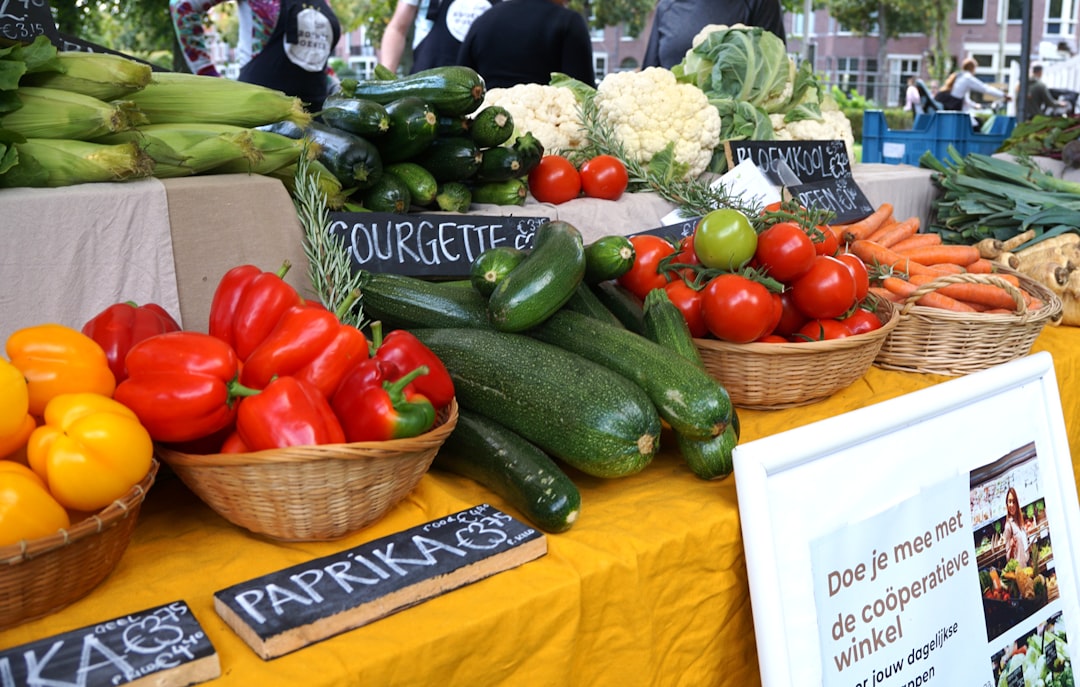
September is the food processor’s true audition. No other month asks one machine to turn a bushel of sauce tomatoes into purée, transform baseball-bat zucchini into twelve loaves of bread, blitz the last of the basil into pesto by the gallon, and shred the cheese for tailgate nachos before kickoff. My team and I ran all four jobs back to back on five different machines, because that is exactly the gauntlet your counter will face between now and Halloween.
The cheap ones wobbled. Two of them walked themselves to the counter’s edge during a double batch of pie dough, which is the machine equivalent of trying to leave the room mid-argument. The good ones barely hummed. That difference — not wattage, not cup count — is what you’re actually paying for, and it’s why I always tell people to buy this machine once.
Size First: The Cup Question That Decides Everything
Before brands, before prices, answer one question honestly: how many people do you cook for, and do you ever batch-cook? Food processors come in three real sizes, and picking wrong in either direction costs you money and counter space.
The mini bowl (3 to 4 cups) is a garlic-and-onion machine, a breadcrumbs machine, a small-batch-pesto machine. If you cook for one or two and your most ambitious September job is chimichurri, this might genuinely be all you need, and I’d rather you own a great small one than a mediocre big one that never leaves the closet.
The middle child (8 to 9 cups) handles most weeknight work — slaw for six, one batch of pie dough, sauce for the freezer — without demanding a permanent parking spot. This is the size I recommend to most first-timers with small kitchens.
The full-size workhorse (12 to 16 cups) is for batch cooks, canners, bakers, and anyone who has ever said the words “double recipe.” If your September includes a sauce day or a freezer-filling session, this is your machine, and no amount of clever mini-chopper technique will substitute.
What the Wattage Numbers Won’t Tell You
Here is where buying guides usually lose me. They list horsepower and watts as if the spec sheet cooks dinner. It doesn’t. A 500-watt motor with real torque and sharp, properly seated blades will hum past a 1,200-watt machine with flimsy bearings every single time — we proved it twice this week with a head-to-head shredding test my crew still won’t stop arguing about.
What actually matters, in my experience testing these things across fifteen years and four kitchens:
- The feed tube. If it doesn’t fit a whole block of cheddar or a quartered onion, you’ll do more knife work than you bargained for. Wide mouths are not a luxury; they’re the whole point.
- The discs. Shredding and slicing discs are what separate a processor from an expensive chopper. Count them, check that they store onboard or in a case, and confirm replacements are easy to find.
- The sealed lid and pour spout. Liquid work — sauce, vinaigrette, pancake batter — will find every weak gasket. Machines with sealed, gasketed lids are the only ones I trust with a vat of tomato purée.
- Dishwasher-safe, actually. Every box claims it. Nooks around the blade spindle are where yesterday’s pesto goes to live forever. Fewer parts, smoother shapes, happier you.
- Weight and stability. A heavy base is a feature, not a shipping complaint. Light machines dance; heavy machines shred.
And one non-negotiable: a pulse button. Dough and pesto live and die by pulse control. A machine without one is a smoothie machine wearing a trench coat.
The Machines I’d Spend My Own Money On
With the gauntlet run and the counters cleared, here’s where my team and I landed. The 13-cup KitchenAid KFP1318 was our overall winner — the same conclusion several big test kitchens reached this year, which gratified my crew to no end. It mastered our chopping and shredding trials, the two-bowl setup means the big bowl never gets dirty for small jobs, and it did all of it at a price that undercuts the premium tier by a wide margin. If you want one answer, this is it.
The Cuisinart 14-cup DFP-14BCNY is the machine my mother has run since before I had my own kitchen, and it’s still the design I measure everything else against. One blade, two discs, a 720-watt direct-drive motor, zero screens and zero fuss. It kneads bread dough without breaking a sweat and has fewer parts to lose than anything else we tested. There’s a reason this design hasn’t fundamentally changed in decades: it doesn’t need to.
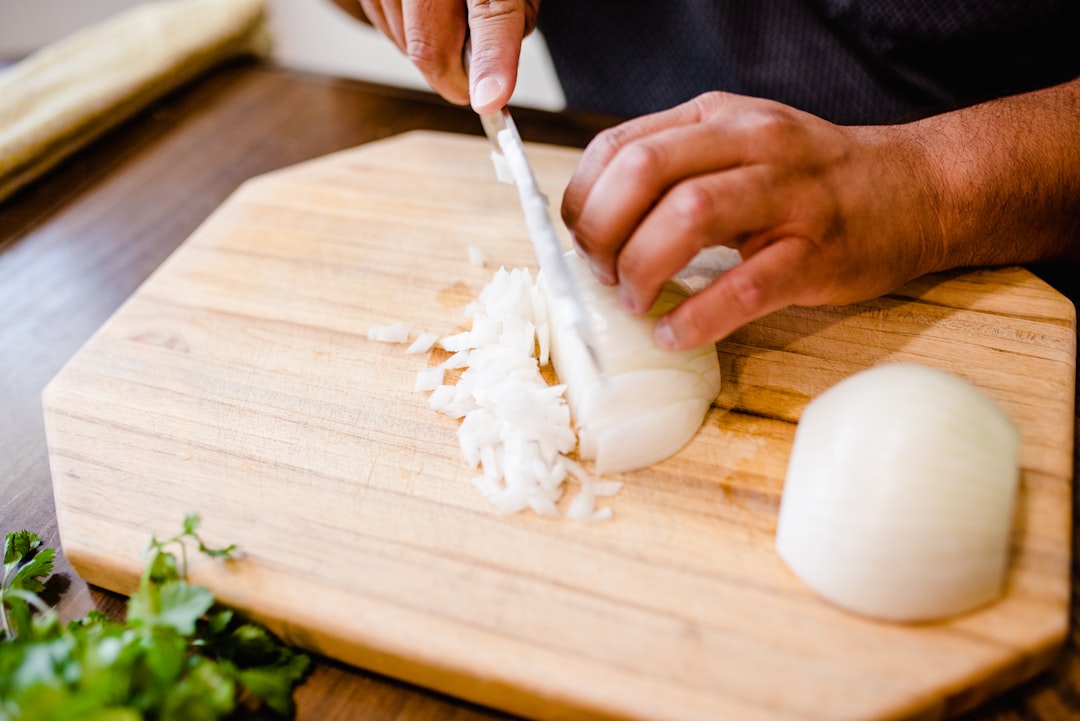
At the top, the Breville Sous Chef 16-cup is the one I schemed to bring home. The adjustable slicing disc alone — dial a thickness, no swapping blades — changed how my crew prepped a heap of ratatouille vegetables. It’s a serious investment, but it is also the only machine that felt like it was doing the thinking for us. If your budget allows exactly one splurge in the kitchen this year, this is a defensible one. Breville’s 9-cup Sous Chef carries most of that cleverness down to a size that fits under cabinets, which is what I’d choose for a smaller kitchen with serious ambitions.
And don’t overlook Ninja’s Professional Plus 9-cup. It brought more raw power per dollar than anything else on the counter, powered through dough trials that made the cheap machines walk, and its stacked blade assembly purées smoother than machines twice its price. My notes from test day simply read: “shockingly good, shockingly affordable.”
The Honest Budget Pick
Not everyone is spending big on a bowl this fall, and I respect that deeply — my first processor was a hand-me-down with a cracked lid. If you need function over pedigree, the Hamilton Beach 12-cup Stack & Snap earned genuine respect in our trials. Everything lines up by feel — no twisting, no guessing, no diagram — the bowl is big, and it shredded a two-pound block of cheddar in under a minute. The 14-cup version adds sauce-day capacity for a few dollars more. Is it as refined as the KitchenAid? No. Will it get a normal family through September with dignity? Absolutely, and then some.
The Little Bowl That Earns Its Outlet
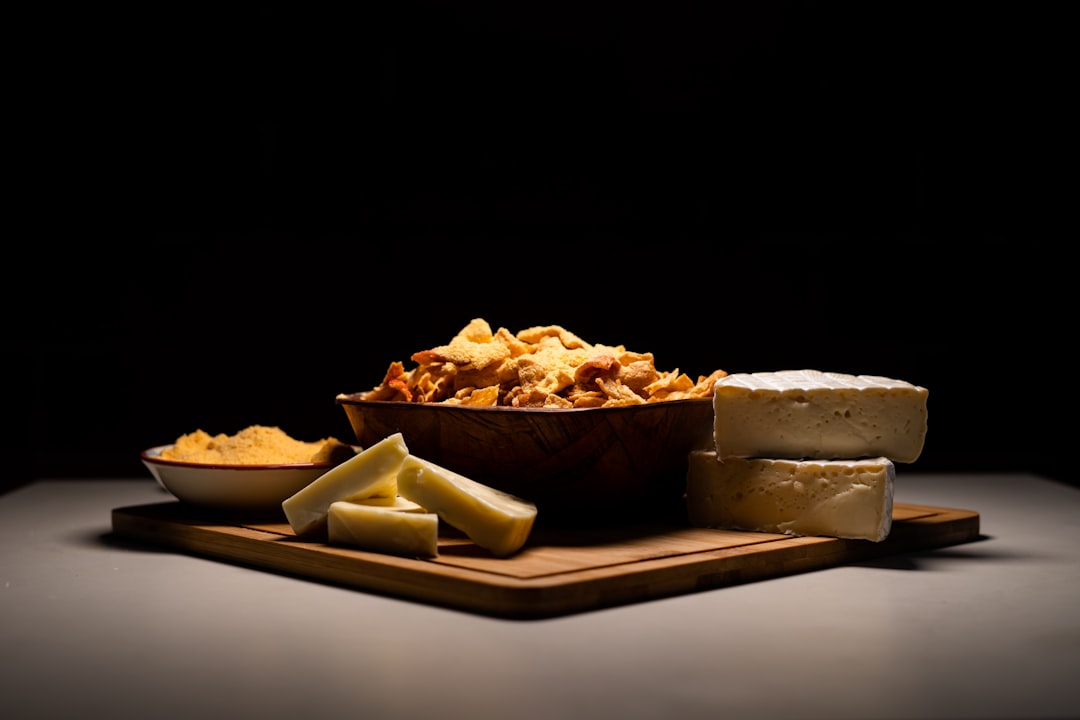
Now, the confession: even with a full-size machine on the counter, I keep a mini chopper plugged in at all times, and I know I’m not alone. The Cuisinart Mini-Prep 3-cup handles the small stuff — a knob of ginger, half an onion, a handful of parsley — without washing the big bowl. It’s the difference between “quick” and “quick once everything’s out.” For tighter budgets, the Hamilton Beach 3-cup chopper does ninety percent of that job for the price of a pizza, and it’s the one I’ve gifted to more new graduates than I can count.
September Jobs Worth the Noise
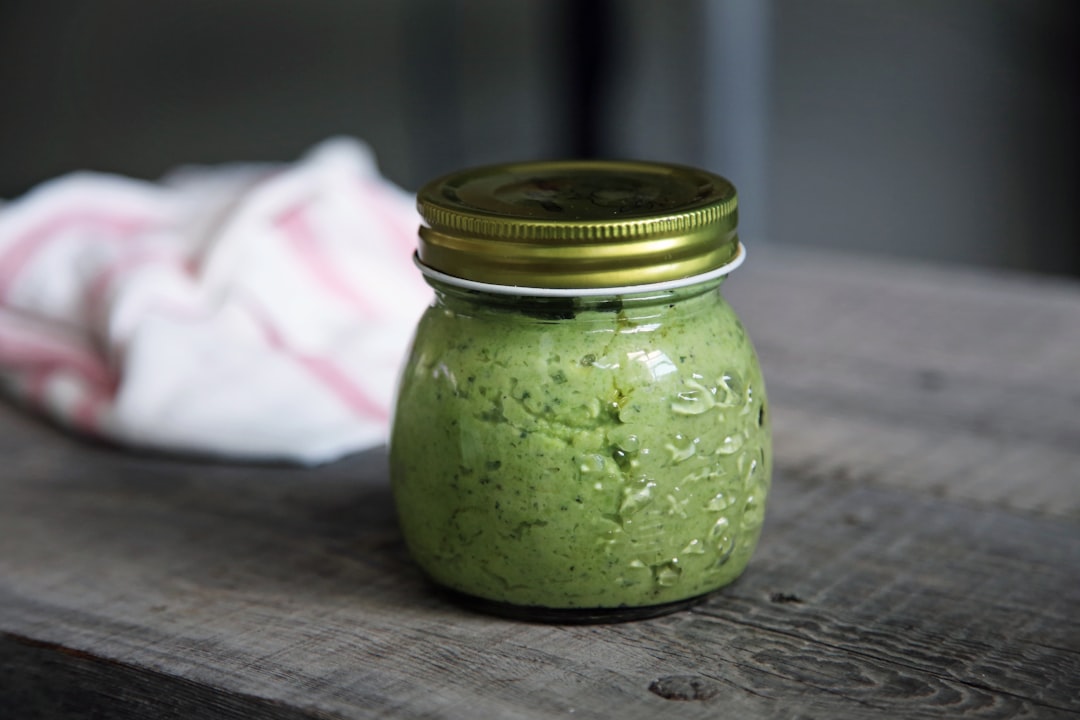
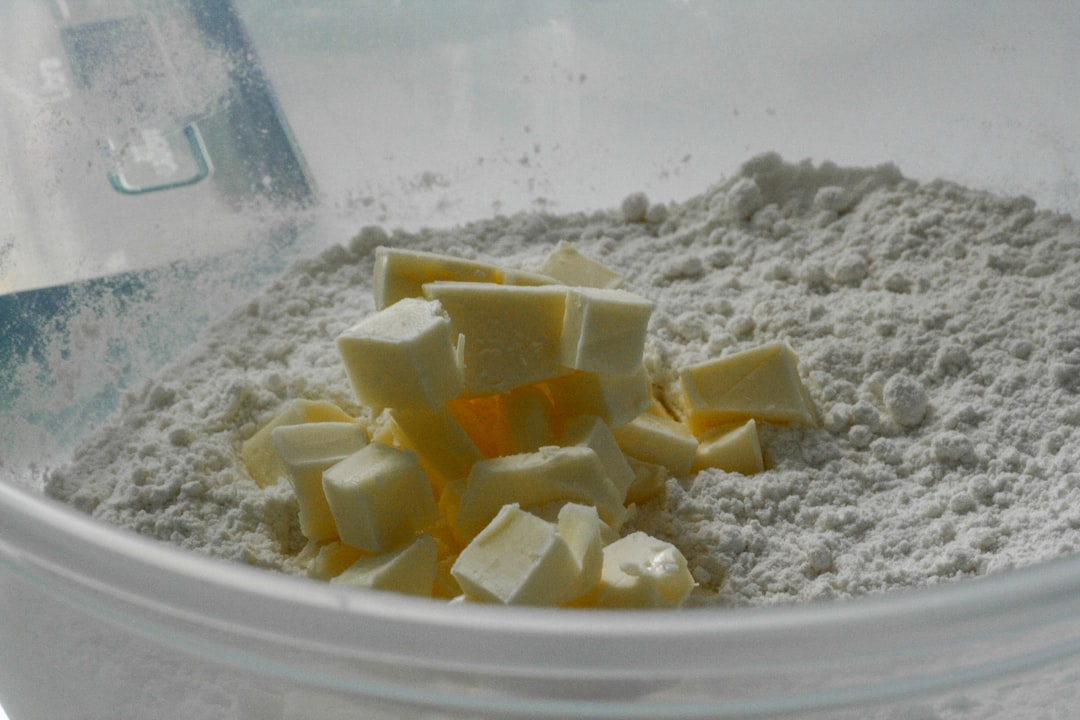
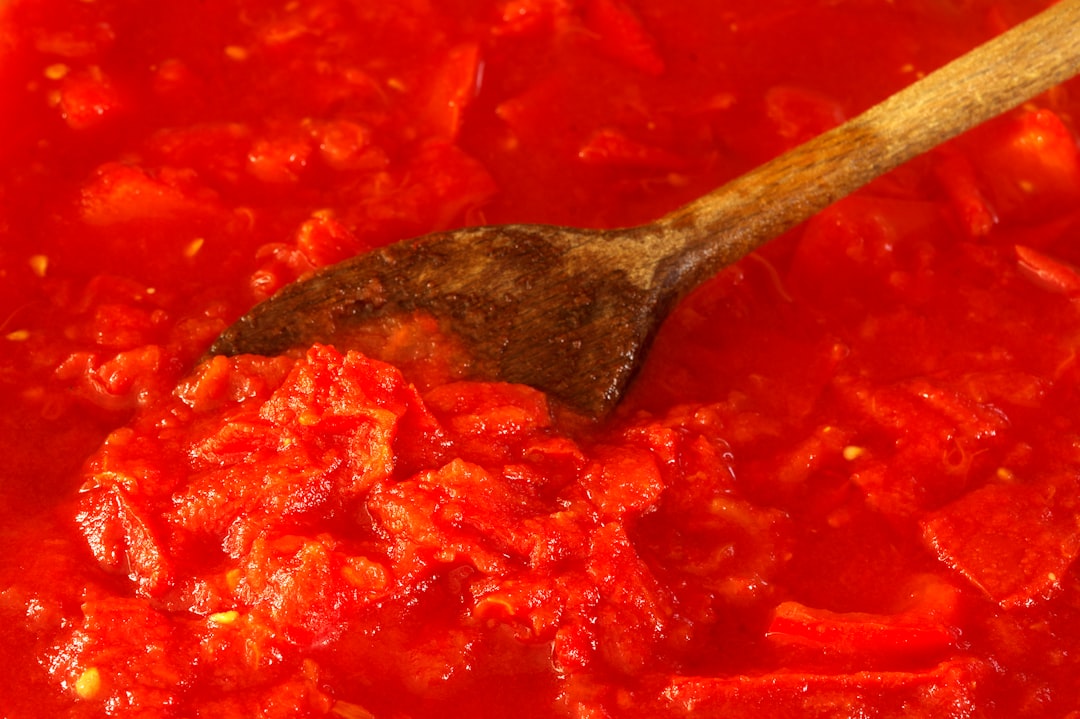
So you bring one home. Here’s what it earns immediately, straight from our test week. Pie dough: ten seconds of pulsing cold butter into flour, no warm hands, no overthinking — then pull the rest of your autumn pie kit together like I do every August. Sauce day: core a bushel of tomatoes, pulse them coarse, and into the big pot they go; between the processor and my freezer-filling ritual, thirty dinners fit behind one freezer door. Pesto by the jarful for the freezer. Slaw for tailgates in ninety seconds flat. Zucchini loaves — grate, squeeze, bake, repeat.
One boundary worth drawing: for silky soups and single-pot purées, I still reach for my immersion blender instead, and my complete immersion blender guide explains why the two machines are teammates, not rivals. The processor preps; the blender finishes. Nobody needs to choose.
Where the Big Bowl Lives All Winter
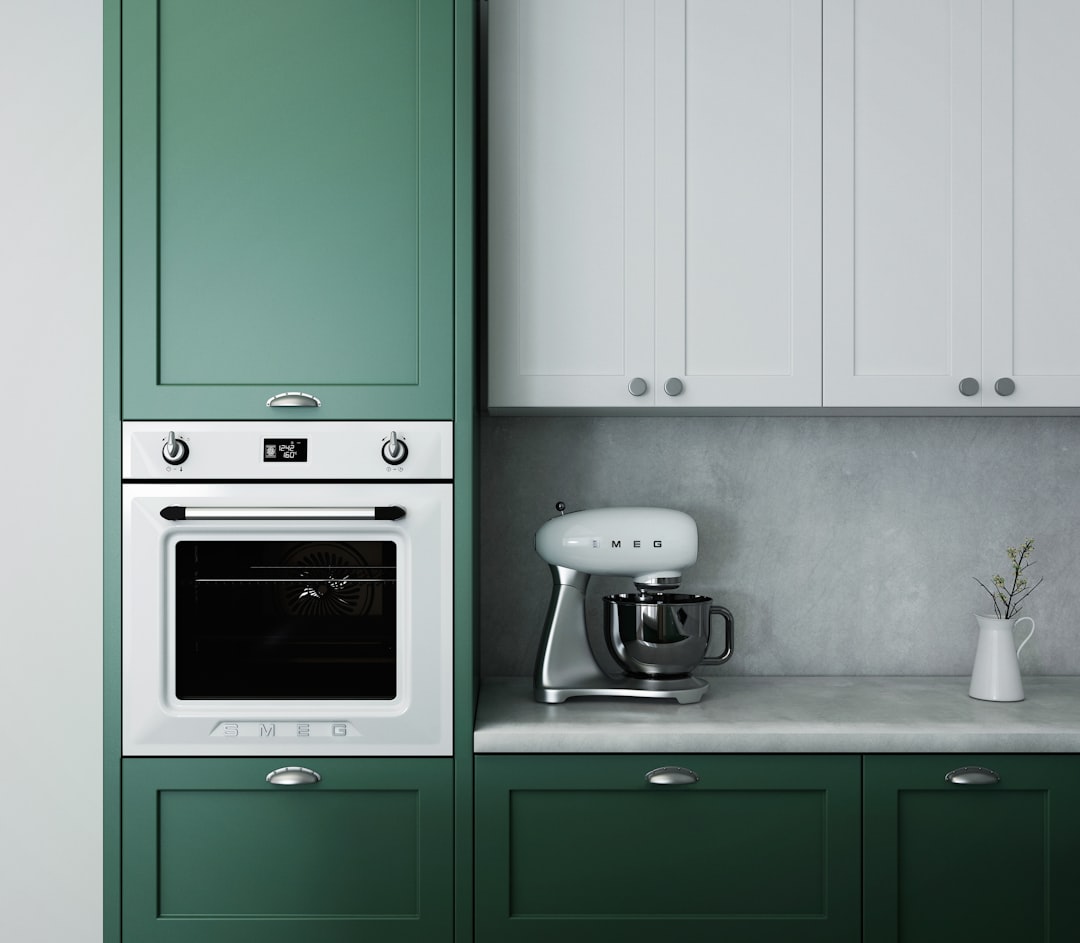
The last honest conversation is spatial. A full-size processor with its discs and case wants about a cubic foot of cabinet real estate, and October through March, mine earns a low shelf right by the stand mixer where I can reach it without kneeling. If your cabinets are already at war, the appliance-garage trick from my small-kitchen years still works: one deep drawer, one disc case, everything nested, lid on the bottom. A machine you can retrieve in ten seconds gets used every week. A machine that requires an excavation never does — and that’s not a tool problem, that’s a storage problem.
That’s the whole picture from my counter to yours. Pick your size honestly, buy the motor once, and let this be the September you never shred cheese by hand again. Your potlucks, your sauce day, and frankly your knuckles will thank you — and if you tell me which bowl you chose, I promise I’ll have opinions about what to make first.