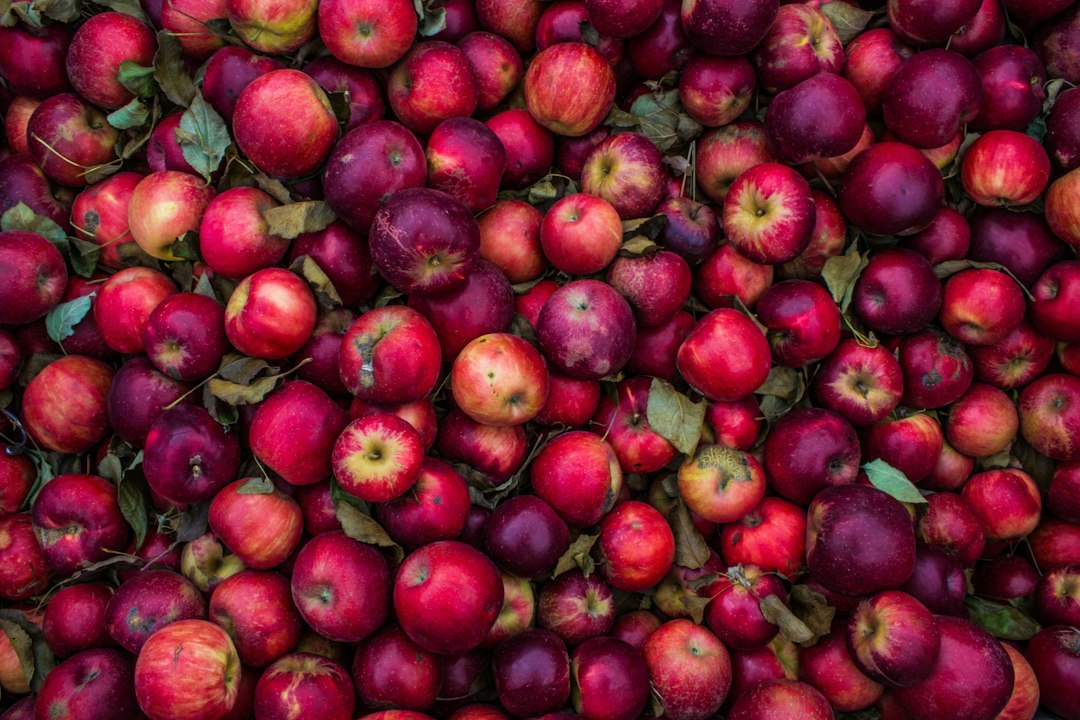
Every October, my kitchen turns into a loading dock. The orchard apples come home by the half-bushel, the last of the garden peppers get roasted in sheets, somebody’s uncle drops off venison, and the big soup pot comes out three nights running. For years I handled all of it the way my grandmother taught me: freezer paper, tape, and a pencil to write the date. Then last month I did the math on what all that air was costing me, and I finally gave in and became a vacuum sealer person. I held out a long time, friends. I’m not proud of how long.
The short version: air is charging you rent, and October is when the bill comes due. My team spent the last few weeks running seal tests in my test kitchen — my nephew filmed every bag, my neighbor Doris contributed an unreasonable amount of chili, and I have sealed, frozen, thawed, and tasted more portions than I care to admit. This is everything we learned, right before the season when you’ll actually want one on your counter.
The Tax Nobody Bills You For
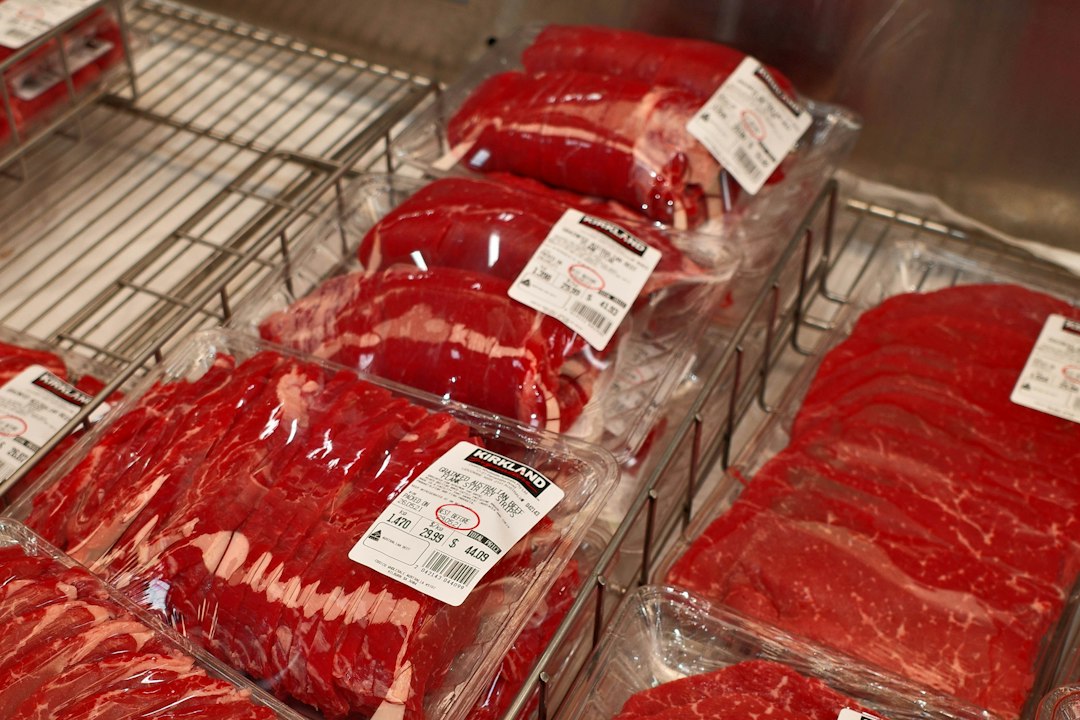
Freezer burn is not a mystery and it is not bad luck. It is moisture leaving your food and re-freezing on the surface as ice crystals, because regular wrapping leaves air in contact with whatever you’re storing. That frosty patch on a pork chop? That’s the juicy part of the pork chop, gone sightseeing. The leather texture on a bag of berries from March? The berries paid the toll months ago.
I wrote about my big freezer burn epiphany back in July, and I stand by every word, but sealing is the piece I underplayed. A proper vacuum pulls nearly all the air out before the bag closes, so there’s nothing left to steal moisture. When we thawed sealed versus wrapped portions of the same chili two weeks apart, my sister-in-law — who questions everything I do — asked which restaurant the sealed batch came from. That’s the whole sales pitch, honestly.

The Gateway Machine: Edge Sealers
Most home cooks should start with an edge sealer — the long bar that clamps the top of a textured bag, sucks the air out, and heat-seals it shut. They’re affordable, they store in a drawer, and the good ones do 90 percent of what a home freezer actually needs. You feed it bags, it feeds you a February that tastes like September.
The one I reach for most is the FoodSaver FM2100: one-touch operation, a built-in roll storage with a cutter so you’re not wrestling scissors, and separate dry and moist modes, which matters more than you’d think when you’re sealing marinated pork or wet brined turkey parts. It’s the machine I hand to guests, and nobody has wrecked a bag yet. If your kitchen runs more toward jars and containers, the FoodSaver V4400 2-in-1 adds an accessory port and handheld unit, which is the door to a whole sealed-jar life I’ll get to below.
Small kitchen? The PowerVac Compact VS0150 stands upright in a cabinet like a thermos and earns its keep in apartments and cabins. And if you’re just seal-curious — a fisherman with a September catch, say — the MegaWise starter machine costs about what two delivery pizzas do and will absolutely pay for itself by Thanksgiving. I keep one in the truck for orchard day. My nephew has claimed it, which is how I know it’s good.
Graduating to the Chamber
Here’s where I lose people, then win them back: chamber sealers. Instead of sucking air out of the bag, the whole machine evacuates the chamber the bag sits in, which means the pressure inside and outside the bag stays equal. Why should you care? Because it means you can seal soup. Marinara. Brine. Buttermilk for the cornbread you’ll crave in January. Liquid, straight up, no freezing-on-a-sheet-pan theatrics.
The other quiet miracle is bag economics — chamber machines use smooth, flat bags that cost a fraction of the textured ones edge sealers require. If you seal a lot, the machine slowly pays you back in bags. Our test kitchen favorite is the Avid Armor USV20, a genuine workhorse with an 11.5-inch seal bar, and the VEVOR 320W chamber sealer is the budget-friendly way to find out if you’re a chamber person without chamber money. Fair warning: these are heavy, counter-hogging machines. Mine lives on a rolling cart next to the chest freezer like a tiny employee.
Fair warning: these are heavy, counter-hogging machines. Mine lives on a rolling cart next to the chest freezer like a tiny employee, and I’ve never once regretted giving up the counter space — but if you seal fewer than, say, twice a month, an edge sealer in a drawer will serve you better than a chamber machine you have to excavate.
Where the Real Money Goes: Bags
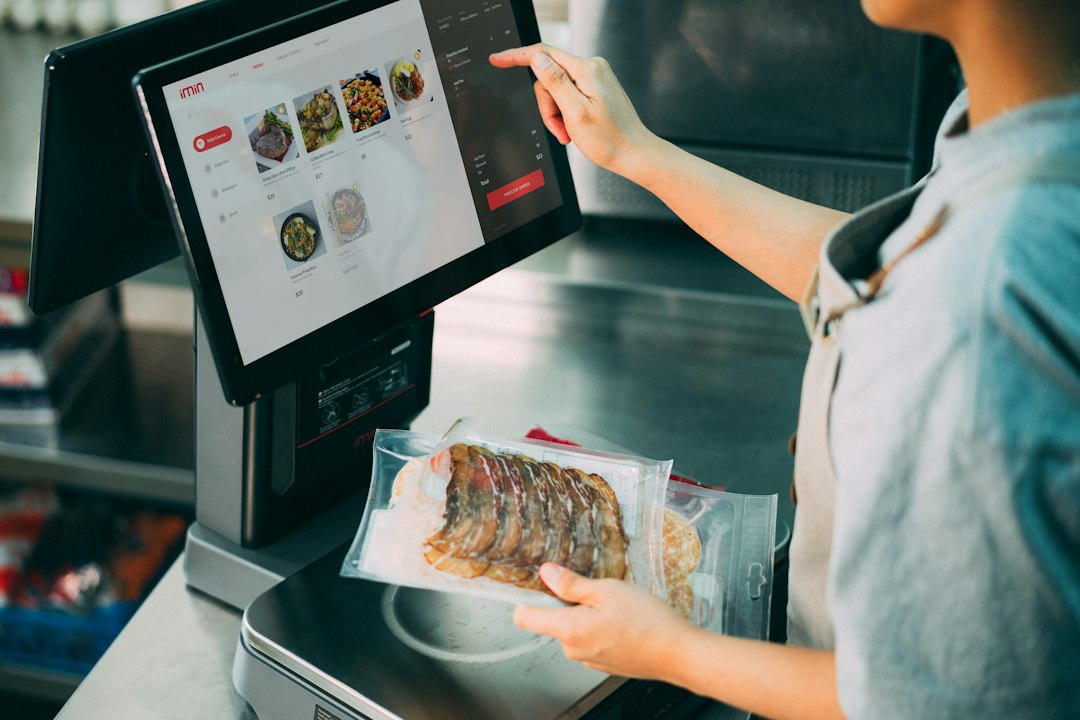
Nobody warns you that the sealer is the cheap part. The bags are the subscription you didn’t realize you signed up for. Edge sealers need textured bags — the channels let air escape — and brand-name rolls add up fast when you’re sealing forty portions of chili (thanks again, Doris). For most households, buying rolls and cutting custom lengths beats pre-cut bags every single time.
My pantry restock is boring and reliable: a giant 11-inch by 150-foot Syntus roll for big jobs, the FoodSaver five-roll multipack for everyday widths, and Wevac’s two-pack of 11×50 rolls when I’m sealing for a crowd. Watch the price per foot, not the sticker price — a deal on a short roll is not a deal, it’s a subscription pitch. And whatever you buy, date everything with a grease pencil. Your future self is a stranger who will not remember what’s in that brick.
Four Habits That Make Any Sealer Better
Before you seal a single thing, a little technique talk — because the machine is only half the system, and the half you control is the one that decides whether March you gets dinner or a disappointment. These four habits came out of our testing weeks, usually the hard way.
- Pre-freeze anything wet or sticky. Thirty minutes on a sheet pan firms up sliced peaches, raw brats, and blanched greens so the machine pulls a clean vacuum instead of pulling juice into the seal bar. One ruined seal teaches this lesson permanently.
- Leave a little runway. An extra inch of empty bag above the food gives the sealer room to work and gives you enough bag to reseal after you open it. A bag trimmed too close is a bag you’ll fight all winter.
- Seal flat, then stack like books. Flat packages freeze faster, thaw faster, and stand upright in the freezer door like a little library of dinners. Doris calls mine the card catalog. She’s not wrong.
- Label the seam, not the middle. Write on the seal edge where frost won’t obscure it: contents, date, and how many servings. “Chili — Oct 4 — serves 6” has never once been misidentified in a dark freezer at 7 a.m.
The Jar Trick Nobody Teaches You
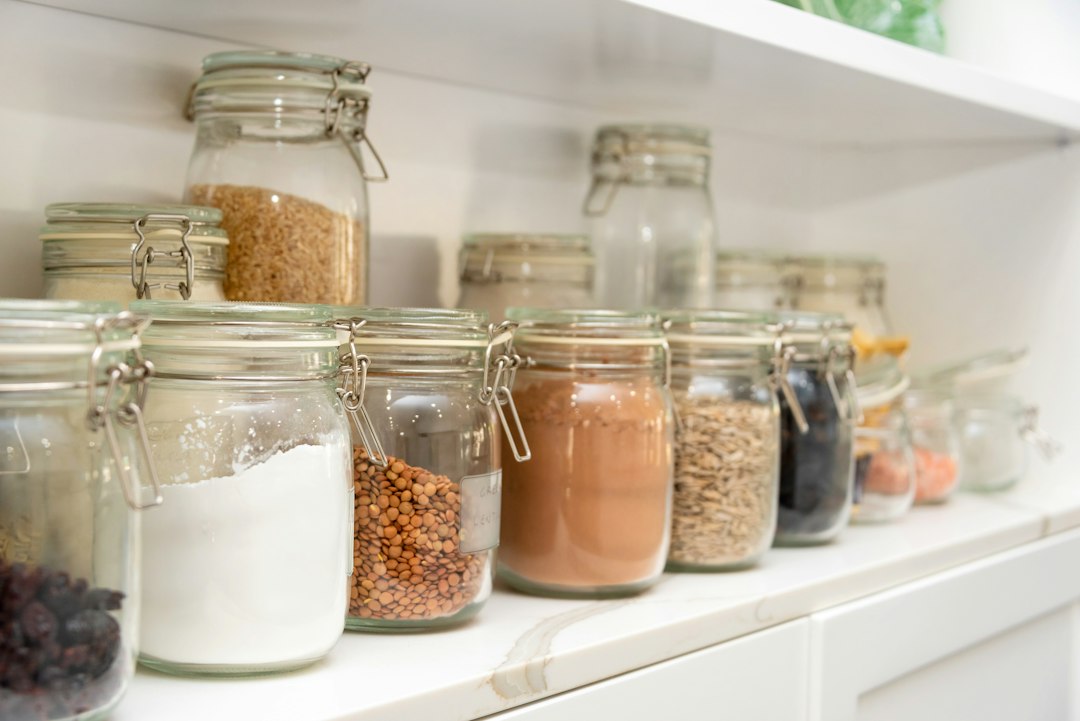
This is my favorite paragraph to write, because it surprises everyone. With a hose attachment, an edge sealer can pull a vacuum on regular mason jars. Nuts stay crunchy. Brown sugar stays soft. Coffee, dried mushrooms, the fancy tea your aunt regifted you — sealed in glass, no bag waste, and the jars stack beautifully in the backup pantry I built this summer.
The mason jar sealer kit with hoses costs less than a takeout lunch and might honestly be the highest-joy-per-dollar purchase in this entire guide. I sealed a jar of pecans in front of my mother and she heard the lid click and looked at me like I’d performed a card trick. Do with that information what you will.
Sealing Season Meets Sale Season
Timing matters with this purchase, and the calendar is doing us all a favor. Amazon’s Prime Big Deal Days lands early next week — October 6 and 7 this year — and kitchen workhorses like sealers, rolls, and freezers are exactly the kind of bulky, dependable gear that gets marked down to move. If you’ve been waiting on a sign, this is the sign.
Two honest notes on strategy. First, the deals are for Prime members, so if you’re not one yet, a Prime membership pays for itself fast when you’re shipping twelve-pound machines and bulk bag rolls — the free shipping alone changes the math on heavy gear. Second, restock your rolls during the sale even if you already own a machine. Bags don’t spoil, and sale-priced rolls are the closest thing my freezer gets to a savings account.
My Weekend Sealing List
If you bring a sealer home this week, here’s your first assignment, straight from my counter. Apples first — peel, slice, treat with lemon water, seal in pie-sized portions, and thank me at Thanksgiving (my bushel math piece tells you exactly how much fruit becomes how many packets). Then a double batch of chili, a tray of roasted tomatoes, and cookie dough logs for the weeks when the oven calls but the stand mixer can’t come to the phone.
Herbs, too. Blend the last of the basil with olive oil, freeze it in an ice cube tray, then seal the frozen cubes flat. January pasta will taste like August. And if somebody’s uncle leaves you a cooler of venison this season, the sealer is the difference between a winter of backstrap and a spring of sad apologies — portion it in meal-size packets the day it arrives. That, more than any gadget spec sheet, is why I finally caved — the same reason I keep my freezer full of make-ahead dinners through the busy season: a stocked freezer is patience, banked.
So that’s my case against air. Start with one honest edge sealer, a big roll of bags, and a weekend’s worth of October abundance. If you turn out to be a chamber person, the machines will be waiting — and if you never seal a single jar of pecans, we can still be friends. But seal the pecans. Your mother will think you’re a magician, and honestly, around this time of year, we could all use the applause.