Last Sunday I boiled five pounds of Yukon Golds for a dress rehearsal. Thanksgiving is still weeks out, but mashed potatoes are where surprises go to become paste. The gravy plan was already borrowed from the carving station we built the week before. A hand mixer sat plugged in because that is what the drawer offered, and because a mixer feels like the serious tool.
It is not.
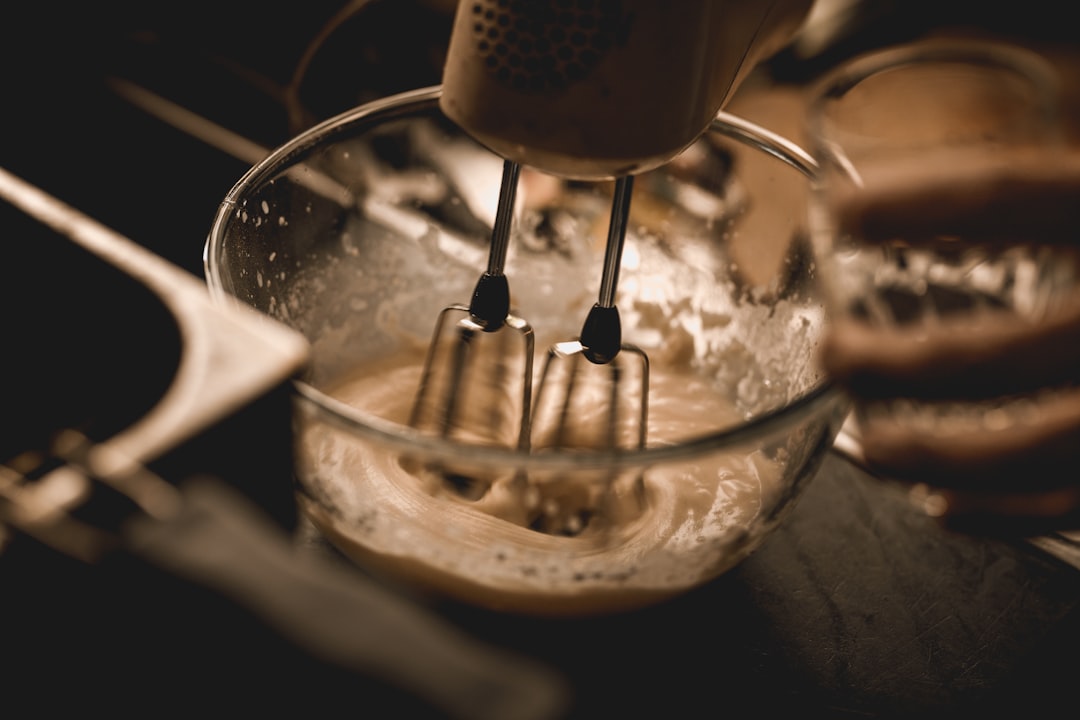
Three minutes of beaters and the bowl looked like wallpaper paste. Shiny. Tight. The kind of mash that holds a spoon upright and dares you to call it a side dish. We stopped. We dumped that batch into a skillet for potato cakes, which is the only honorable exit for glue, and we riced the second pot. The difference was not butter. It was not cream. It was holes.
A potato ricer is a hopper, a lever, and a plate punched with holes. Hot potato goes in. You squeeze. What comes out looks like rice, or like soft snow, depending on the disc. You fold in fat and warm dairy with a spatula. You do not beat. If you have been serving mashed potatoes that bounce, this is the tool that ends the argument.
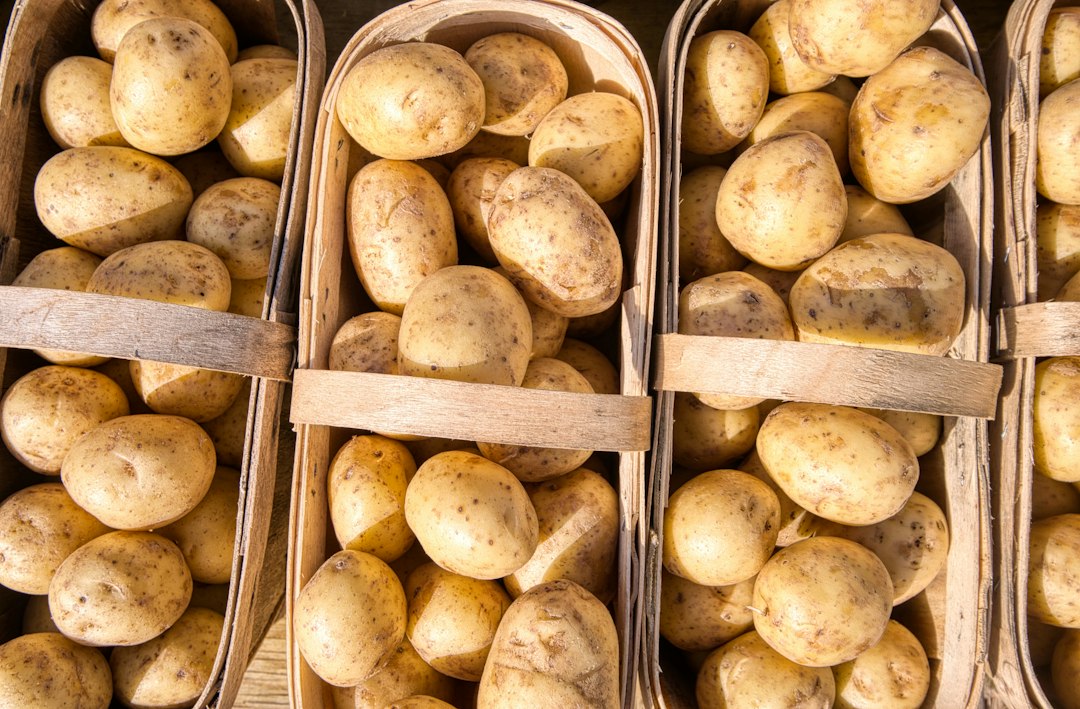
Why the motor keeps winning, and why it should not
I own mixers. The little one that carried cookie season is a joy with butter and sugar. A stand mixer will cream and whip without complaining. Potatoes are not buttercream. Their cells are full of starch, and starch wants to glue the moment you shear it.
A beater, a whisk, a food processor, an immersion blender: all of them rupture those cells and whip the freed starch into a paste. The more you “fix” a gluey bowl by beating harder, the worse it gets. Extra milk thins the paste. It does not undo the damage. I have done this. My team has watched the spoon stand up and has, kindly, waited to comment.
A ricer does not whip. It pushes cooked potato through holes. The strands fall apart. Lumps disappear without the shearing that turns a russet into library paste. I had read that for years. A Sunday in my own kitchen made me believe it in my wrists.
If the hand mixer that earned its keep on cookies is already on your counter, leave it there. Cookies. Frosting. Whipped cream. Not the potato pot.
What we actually asked a ricer to do
We wanted one tool that could take a holiday pot from drained to silky before the meat rested, without punishing a smaller wrist or a crowded sink. The notes on the counter ended up with four questions.
- Can you squeeze a full hopper of hot potato without a grimace?
- Does the plate come out, or are you married to one texture?
- Will starch dry in the holes before you notice, and can you get it out?
- Where does it live the other eleven months?
A ricer that fights you on Thanksgiving lives in the back of a cabinet by December. One you can rinse and hang gets used on a Wednesday for gnocchi. That is how a tool earns rent.
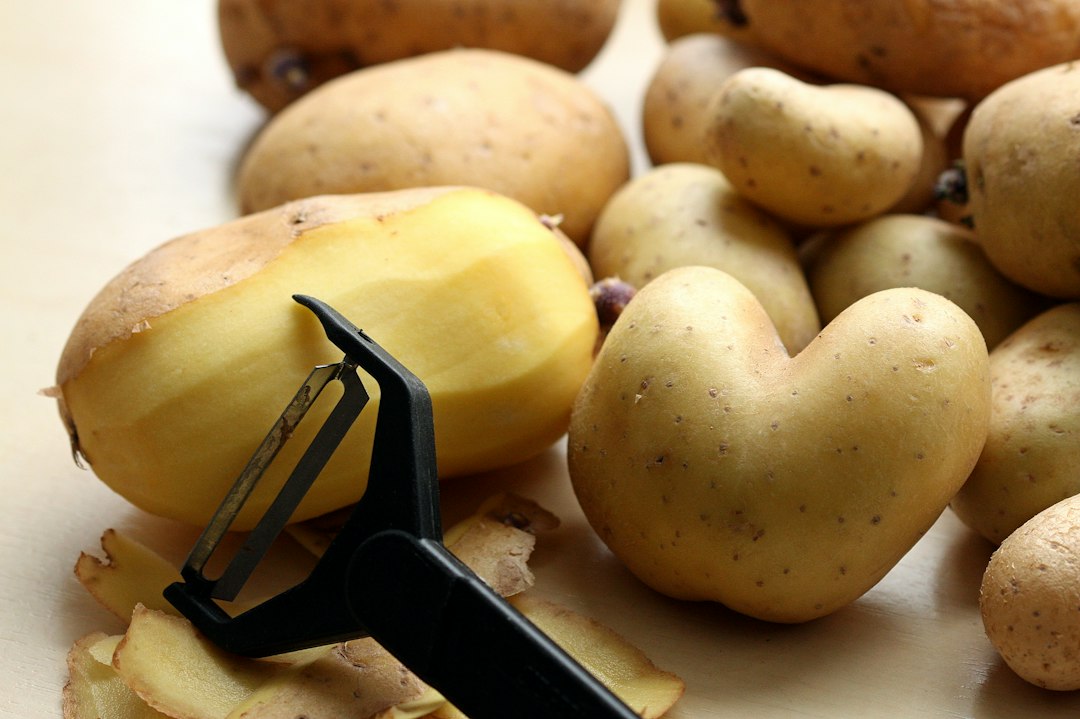
The squeeze, from simplest to cleverest
Start with the plain one if you have never riced anything. The RSVP International potato ricer is the beginner hopper that kept showing up in serious equipment roundups this year for a reason: stainless, one job, no assembly puzzle after the dishwasher. You fill it, you squeeze, you rinse. The texture is the classic fine rice. If your only goal is mashed potatoes that do not bounce, this is the honest buy. It will not also be a masher, a mill, or a conversation piece. It will be the thing you reach for when the pot comes off the heat.
Wrists changed my ranking. The Joseph Joseph Helix potato ricer was the one my team fought over, which is usually how I know a handle is doing real work. The squeeze is longer and kinder. Hot potato still needs respect, but you are not crushing a fist around two short arms while steam finds your knuckles. If someone in the house has smaller hands, or if you are the person who will rice five pounds alone while someone else finishes the green beans, buy the ergonomic one and stop being noble.
The OXO Good Grips potato ricer is the multitasker. Interchangeable plates mean you can go finer for a baby-soft mash or a little coarser if you like a whisper of texture. That flexibility is why it kept landing near the top of the 2026 equipment lists, and it is also why the first cleaning can feel fussy. Plates, pivots, a little starch hiding where the disc seats. Soak it the minute you are done. Do not let it sit through dinner “for later.” Later is when the holes become a craft project.
If you want one purchase that covers both the silky holiday bowl and the lumpy Tuesday bowl, the Priority Chef ricer and masher is the value door. It is the combo that equipment editors have been calling the best buy, and after using a dedicated masher beside a dedicated ricer all week, I understand the appeal of not owning both if your drawer is already arguing with you. Just know a combo is a compromise. The squeeze will not feel as inevitable as the Helix, and the mash plate will not be the only tool you ever want. For a first ricer in a small kitchen, it is a sane landing.
Then there is the hopper with opinions. A stainless ricer with three discs is what I want in the house that also makes gnocchi, spaetzle, or a very smooth baby-food stage. Fine, medium, coarse. The medium disc is the mashed-potato disc. The fine one is for when you are feeding someone who cannot negotiate a lump, or when you are pushing cooked fruit. These are heavier. They take more cabinet air. They also stop you from buying a second specialty tool in February when you decide you are a gnocchi person now.
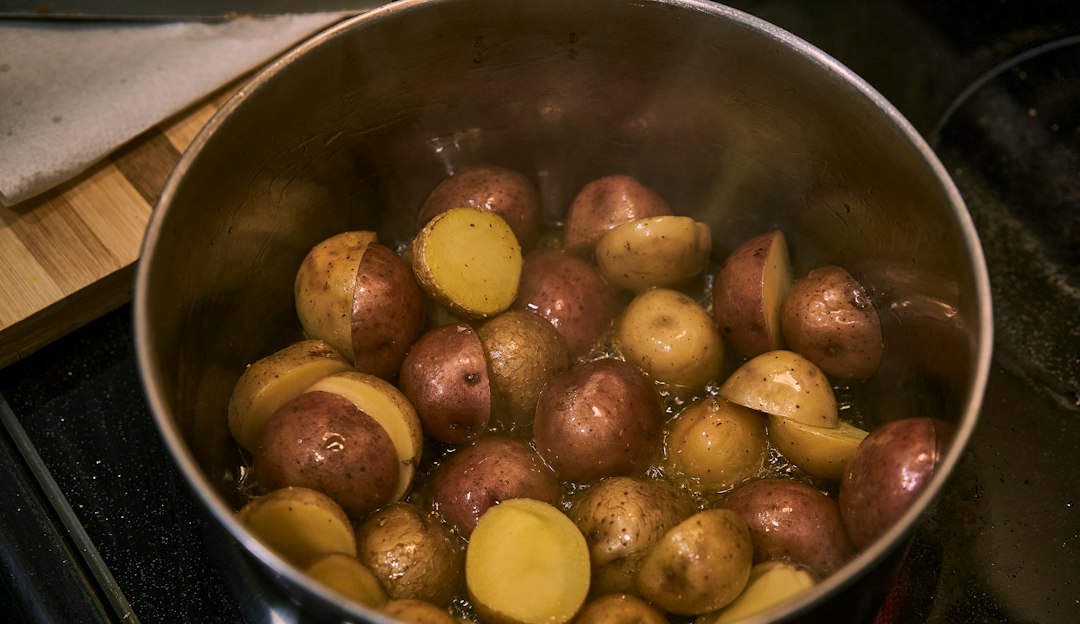
When the crowd outgrows a squeeze
A ricer works in batches. Most hoppers hold a potato or two, not the whole pot. For four people that is a rhythm: squeeze, refill, squeeze, the bowl filling with strands while the pot is still steaming. For twelve, the rhythm becomes a job. That is when I stop being loyal to the hopper and pick up a crank.
A food mill is a bowl with a blade that sweeps food through a perforated disc. You clamp it over a larger bowl, turn the handle, and it processes more potato per minute than a squeeze. It will also take the skins off tomatoes and turn a pot of cooked apples into sauce without a separate straining step, which is why the mill earns a second season in this house. If you already lived through orchard Saturday and the applesauce that followed, you know the motion. Potatoes are the winter version of the same crank.
The catch is starch. A mill’s blade can smear potato if you keep cranking after the food is through, chasing the last tablespoon. Stop when the disc is clear. The OXO food mill is the one I trust for the larger holiday batch, because the handle and the clamp behave. The Cuisinart food mill is the plainer crank if you do not care about the softer grip. Both out-volume a ricer. Both have more parts to wash. If you hate washing a garlic press, you will hate a mill on a weeknight and love it on a Sunday. Own that before you buy.
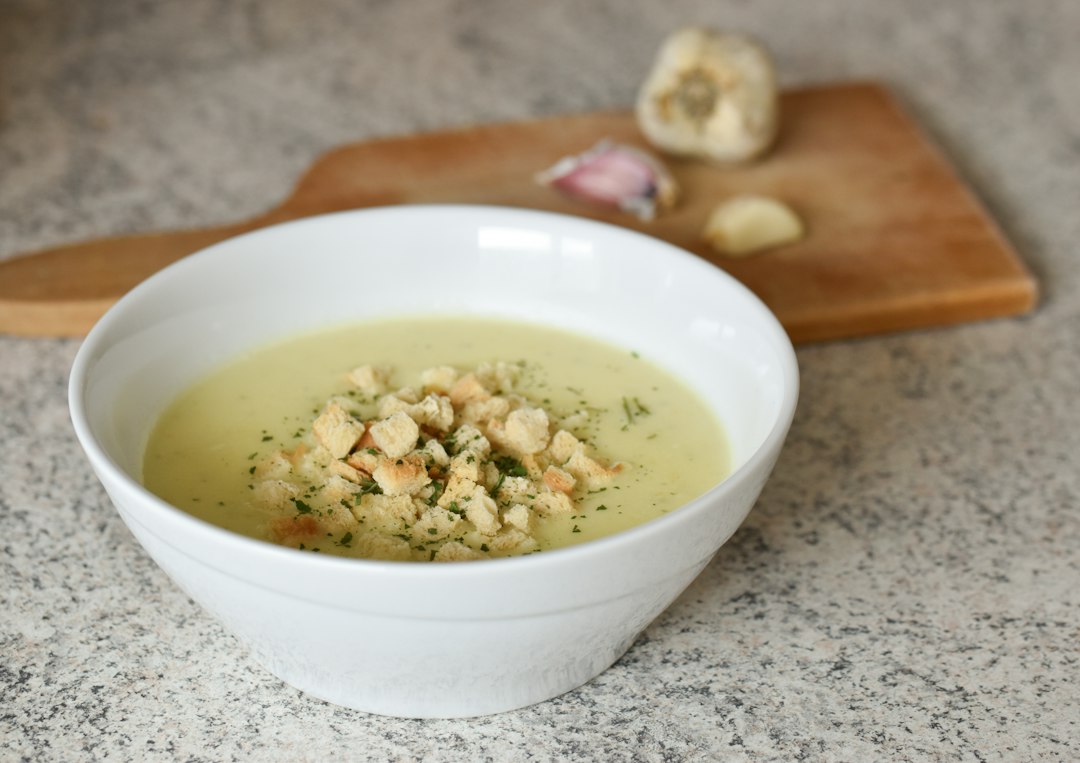
That bowl of soup is the other argument for the mill. Potato-leek, or tomatoes you refused to peel by hand. A ricer pushes soft potato. A mill pushes soup and leaves the tough bits behind. If your year includes both a Thanksgiving mash and a January pot of something smooth, the crank wins. If your year is mostly mashed potatoes, stay with the hopper.
The masher is not a failure
A potato masher is not the wrong tool. It is the rustic tool. Lumps are a texture, not a moral failing. A wavy masher leaves pockets. A plate-style masher, the kind with holes instead of wires, gets closer to a ricer’s evenness without ever becoming one.
The OXO potato masher with the perforated plate is the one I keep for Tuesday, when I want potatoes in the bowl in ninety seconds and I am not performing. The Joseph Joseph Delta masher is the angled cousin, easier to work in a deep pot without rapping your knuckles on the rim. Buy a masher if you like a spoonful that still remembers it was a potato. Buy a ricer if the word you want is clouds. Buying both is not excess if they do different jobs. Buying a ricer and then mashing with it because you were afraid of the squeeze is how tools get resentful.
The two cheap things that make the expensive one work
A ricer cannot fix a wet potato or a potato with a hide still on it. Peels belong in the compost, not in the hopper. A dull peeler turns five pounds into a grievance. I use a Y-peeler with a soft grip and I replace it when it starts skating. This is not the place to be sentimental about a two-year-old blade.
Then drain like you mean it. A stainless colander wide enough for the whole pot, a minute of steam rising off the potatoes back in the hot empty pot, and only then the hopper. Wet potatoes rice into a loose, sad bowl no matter how good the tool is. I learned this the hard way on a Tuesday in March and then, apparently, needed to learn it again in October. The colander is the reminder.
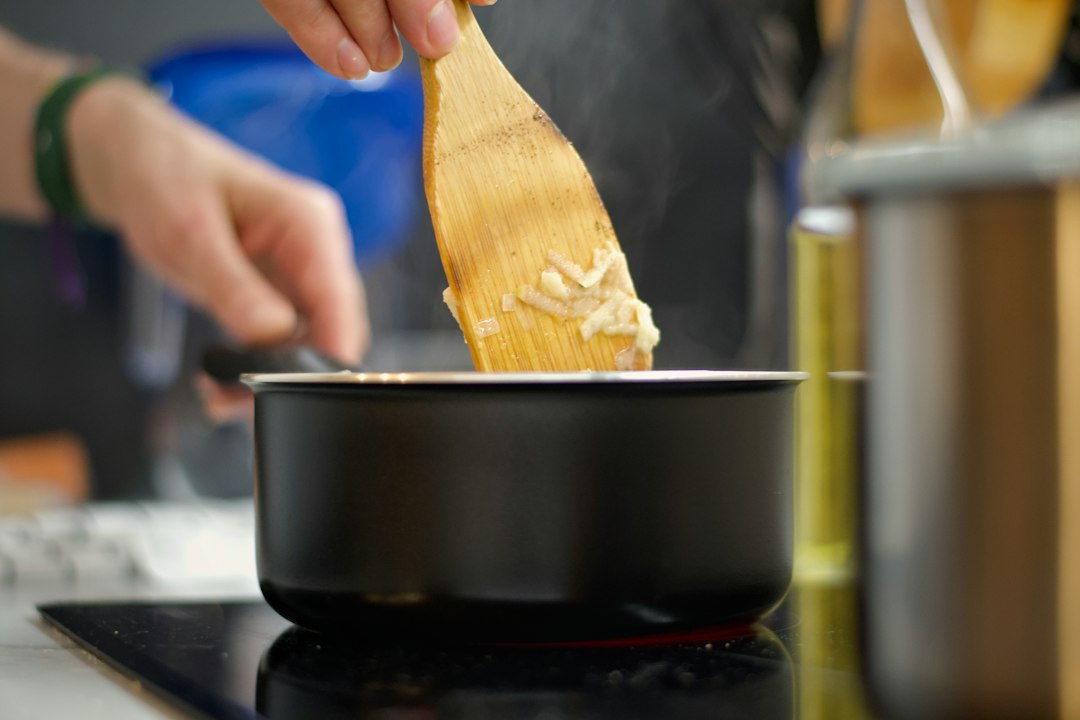
The method the hopper expects
Choose the potato for the bowl you want. Yukon Golds are forgiving and buttery, which is what I want when the table expects potatoes to taste like potatoes and not like a pint of cream. Russets are fluffier and thirstier. They drink butter, and they glue faster if you lose your nerve and reach for a whisk. Waxy reds are for roasting. When I want edges and herbs, I roast. I do not force every potato in the house through a hole.
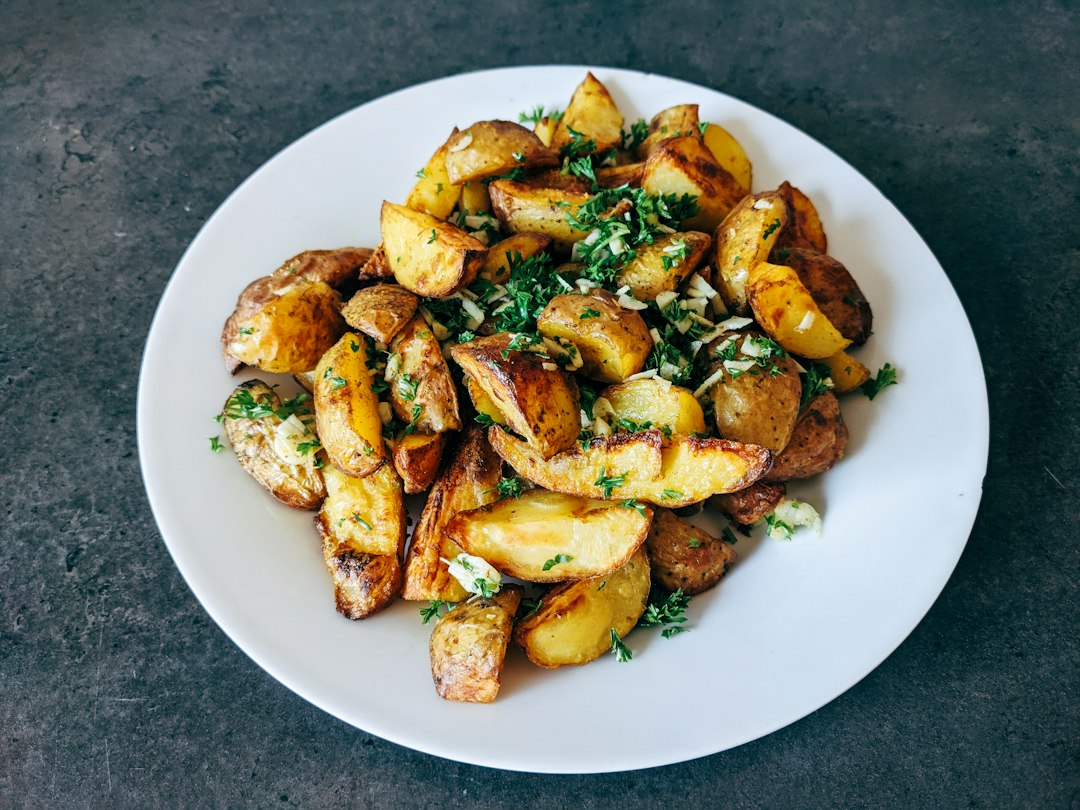
Start them in cold, well-salted water and bring them up gently. A hard boil breaks them before they are cooked through. They are done when a knife slides in and the piece falls off the blade, not when the clock says twenty minutes. Drain. Return them to the hot pot. Let the steam go. That minute decides whether the mash tastes like potato or like the water it boiled in.
Rice while they are still too hot to handle comfortably. Cold potato seizes. If you are working alone, rice into the serving bowl in batches and keep the pot covered between fills. Butter goes in first, while the strands are still steaming, and you fold, you do not stir like you are angry. Then warm milk or cream, never cold from the carton. Cold dairy tightens everything you just loosened. I warm it in a small saucepan with a smashed garlic clove if the table can take it, which in this house is always. If you want the clove roasted instead of smashed, the garlic tools that already live in the drawer will get you there without a fight.
Salt at the end. Pepper from a mill that actually grinds, not from a jar of dust. Taste. Stop. The urge to “just smooth it once more” is the urge that ruins the bowl. If you need to hold the potatoes while the roast rests, set the bowl over a pan of barely steaming water, or tuck it into a low oven, covered. Do not reheat on a screaming burner and do not beat them back to life. The twenty minutes between oven and table is long enough to rice a second batch if the first one went to the skillet. It is not long enough to repair paste.
Who should buy which one
Weeknight family of four, no interest in parts: the RSVP, or the Helix if your hands have opinions. Thanksgiving for ten, plus applesauce and tomato sauce in the same year: the food mill. Put the parts in the sink before you sit down.
Small kitchen, one drawer, silky some nights and rustic others: the Priority Chef combo, and a promise to soak it. If the drawer can spare two tools, take the Helix plus the OXO plate masher. Specialists are calmer to live with. Gnocchi people should pay the weight tax on the three-disc stainless. And if you like lumps, buy a masher and ignore anyone, including me, who calls that a compromise. Do not buy a ricer to appease an article.
What I would leave on the shelf
Painted enamel hoppers. They look cheerful in the listing photo and they chip, and the chip becomes a rust spot you will discover in November when you needed the tool to be boring and stainless. I have inherited two of these. Both are now plant stands, which is a generous retirement.
Tiny hoppers marketed as “compact” if you regularly cook for more than four. Compact is a storage word. On the day, it means twice as many squeezes and a colder pot. Measure your crowd, not your cabinet fantasy.
Anything electric that claims to mash. If it has a motor and a blade, it is a blender that learned a new noun. We already know how that story ends. The second batch goes to potato cakes, and potato cakes are delicious, and they are not what you promised the table.
The bowl that made it to the table
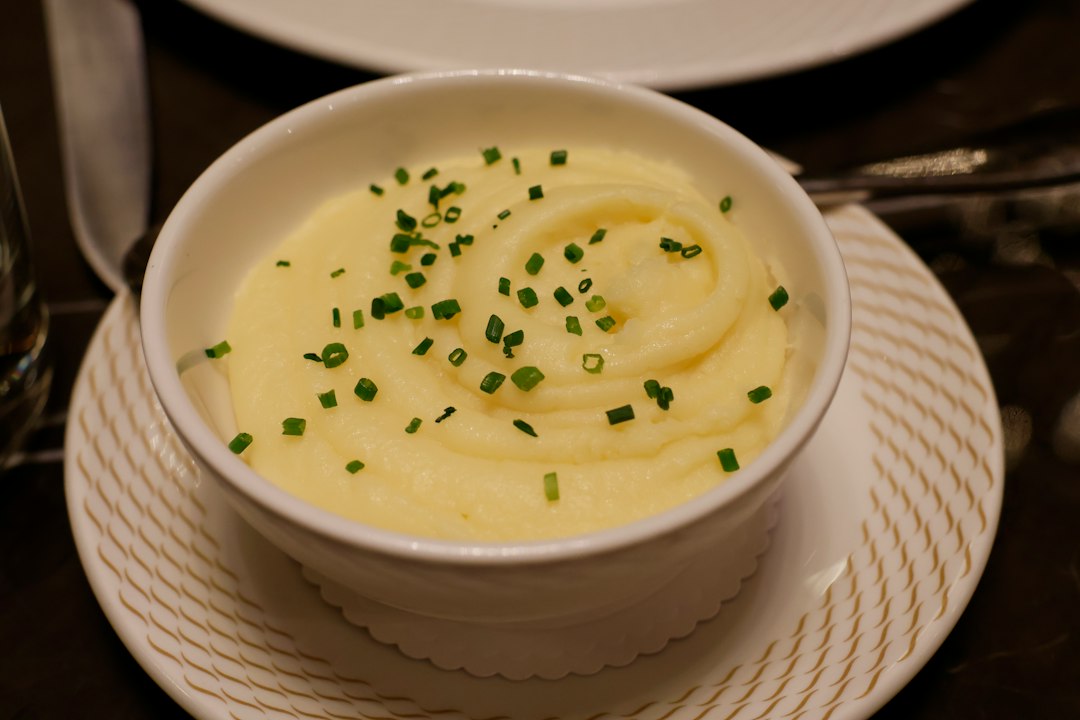
The second batch, the riced one, sat in a warm bowl while the roast rested. Butter first. Warm milk. A fold. Chives, because I like the color and because the bowl looked too pale without them. Nobody asked what tool I used. They asked if there was more, which is the only review that has ever mattered at this table.
If you are setting that table in the next few weeks, the ricer is the unglamorous purchase that changes the side dish people actually remember. Pair it with a serving dish that can take the heat, not a foil lid on a too-small pan, and with a gravy plan that does not need the potatoes to be sturdy enough to hold up a lake. Soft is the point. Soft is not glue.
Five pounds. One hopper. No beaters. I will not plug the mixer in within sight of the pot. The mixer can have the cookies. The holes get the potatoes.