My sister’s slow cooker died on a Tuesday in the middle of July, mid-brisket, with eight people due at her house that evening. It was a wedding-gift Crock-Pot from 1998 — the kind with the single knob that clicked between Off, Low, and High like a light switch in an old house. It had outlived two presidencies and countless Sunday suppers, and when it finally gave up, she called me in a panic and I ladled that brisket into my Dutch oven and finished it in the oven like it was 1950. But the whole drive home I kept thinking: someday that’s going to be me, standing over a dead appliance with a houseful of hungry people, and I won’t have a plan.
So I did what I always do when something bothers me enough. I turned it into a project. Over three weeks in late July and early August, my sister and I rounded up five slow cookers — borrowed, bought, and dusted off from the back of my own cabinet — and we ran them through a gauntlet of pot roasts, chicken soups, chili, and a double batch of pinto beans that nearly caused a family schism. What follows is everything we learned, including the one feature I now refuse to shop without, and which machines earned a permanent spot on the counter versus which ones went back in the box.
Why a Slow Cooker, When I Already Own the Fancy Machines?
Fair question. I have a multi-cooker I adore, and I wrote a whole six-month reckoning about that machine back in June. But here’s the thing about a dedicated slow cooker that the do-everything boxes still can’t replicate: it’s dumb in the best possible way. No seals to babysit, no pressure valve to scrub, no forty-minute learning curve for a babysitter or a visiting mother-in-law. You put food in, you turn a dial, and eight hours later the house smells like somebody who has her life together.
There’s also the nostalgia tax, which I pay gladly. I come from a long line of women who believed a pot of something on the back burner is the closest thing a kitchen gets to a heartbeat — I even wrote about my own back-burner habit earlier this summer. A slow cooker is that instinct on a timer.
How We Ran the Tests
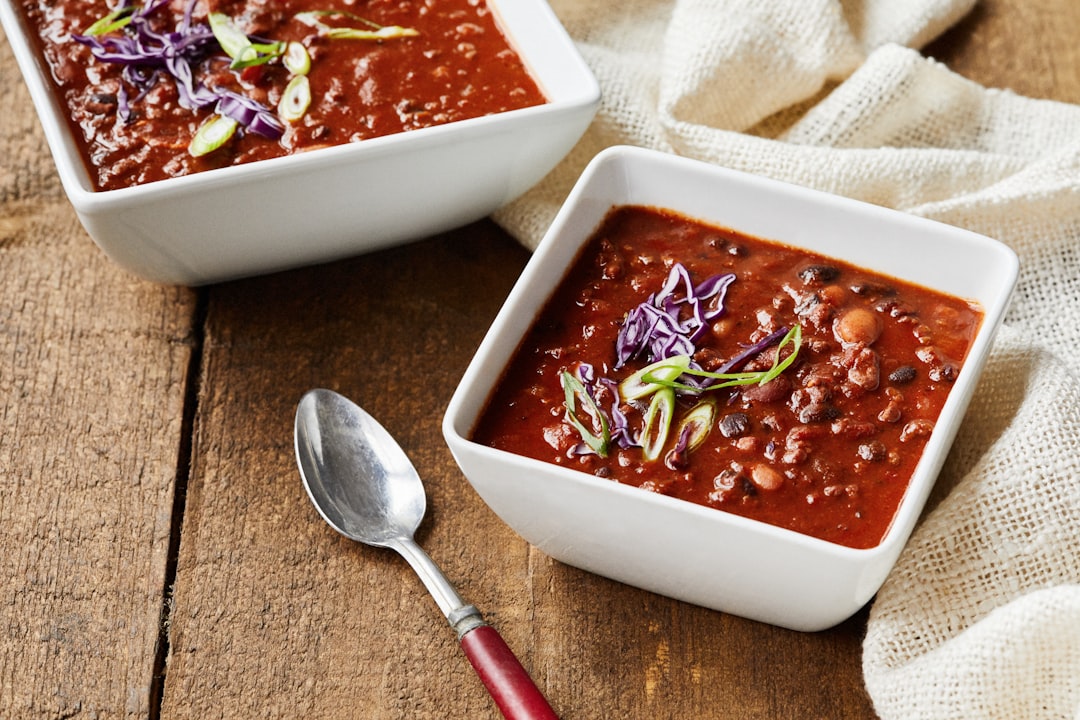
Five cookers, four recipes, three Sundays, and one very patient husband who ate pot roast four weeks in a row without a single complaint. Each machine got the same standard cut of chuck roast, the same chili recipe from my aunt’s index card, a whole chicken turned into soup, and those pinto beans. We measured how each one held a simmer, how the inserts cleaned up, whether the lids locked for transport, and — most importantly — whether the food actually tasted different from machine to machine. Spoiler: it did, more than I expected.
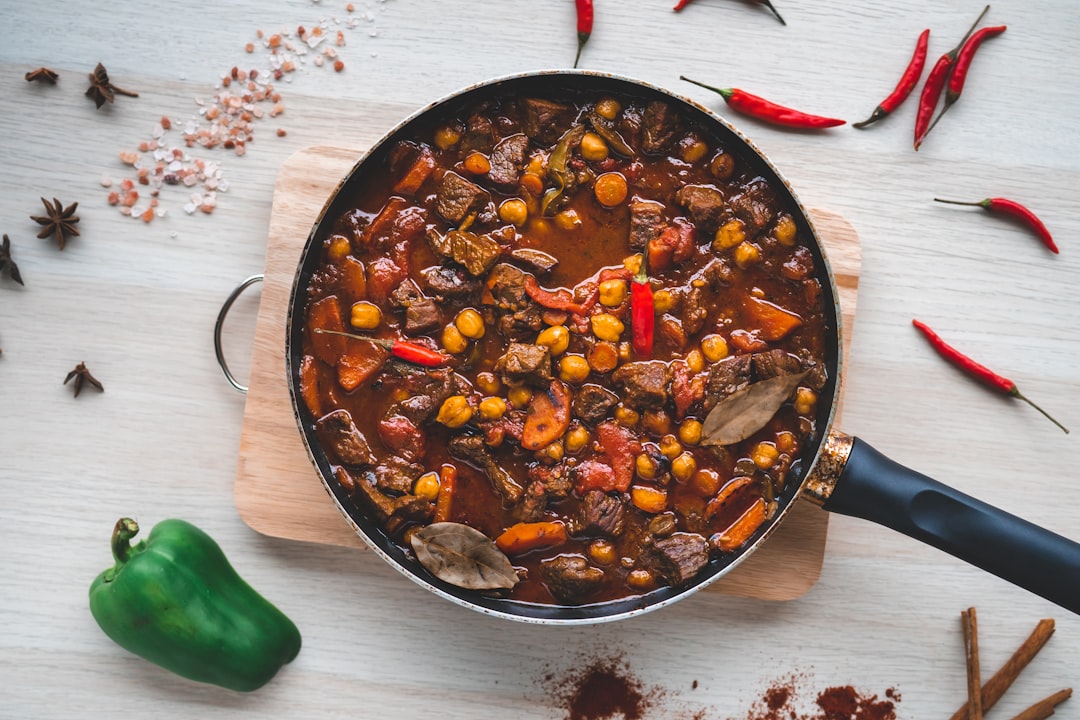
The biggest surprise wasn’t any single cooker. It was realizing how much the little design decisions — where the controls sit, how the lid seals, whether the insert can go in the dishwasher — shape whether a machine gets used weekly or forgotten in a basement. The cooking matters, but the living-with-it matters more.
The Feature Nobody Tells You to Demand
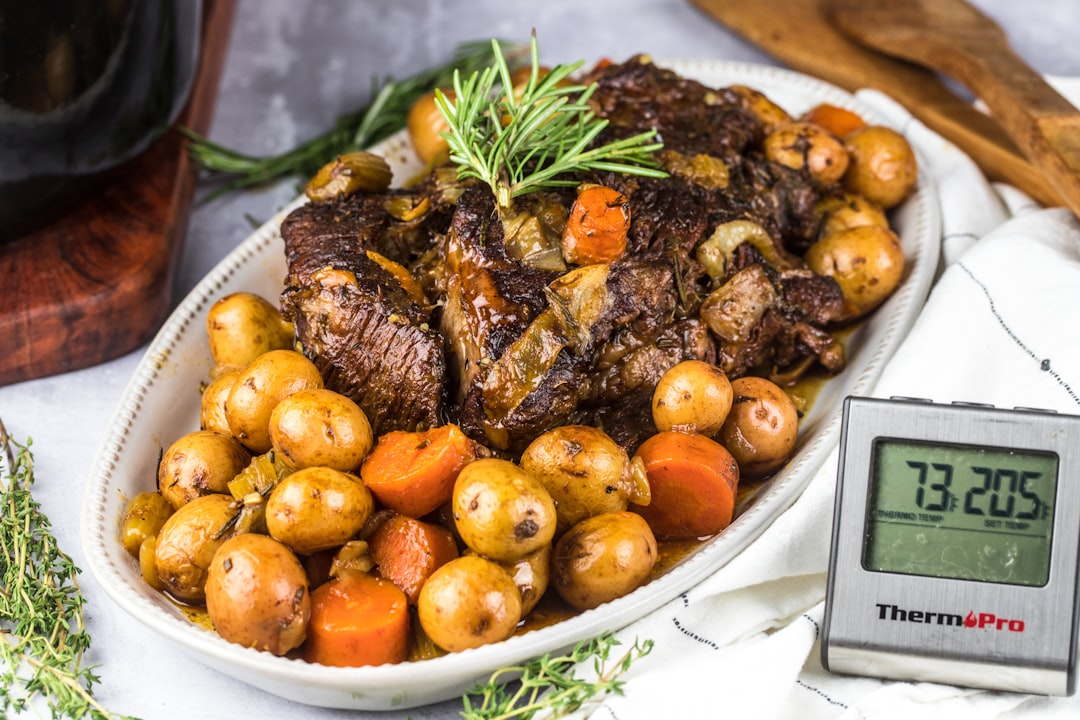
If you take one thing from this whole experiment, let it be this: get a cooker with a probe thermometer. The Hamilton Beach Set & Forget line built its entire reputation on this, and after one roast I understood why. You stick the probe into the thickest part of the meat, set your target temperature, and the cooker shifts itself to Warm when it gets there. No more shredded, overcooked pork shoulder because a soccer practice ran long. It is the single closest thing to a slow cooker that forgives you for having a life. The 6-quart Set & Forget ended up being the machine my sister bought to replace her fallen soldier, and it’s the one I’d point most people toward first — usually somewhere in the neighborhood of seventy dollars, which feels like theft for what it does.
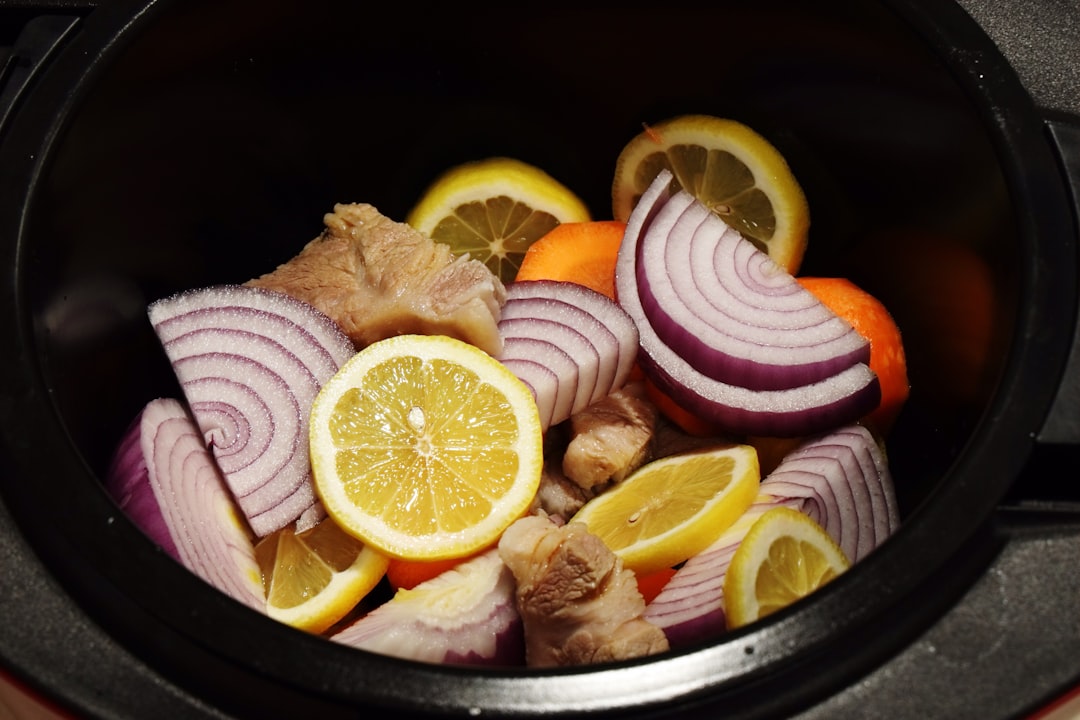
It also has the locking lid with a gasket, which matters more than you’d think. That lid meant my sister carried a full cooker of chili to a neighborhood potluck over speed bumps and railroad tracks without so much as a damp dish towel underneath. If you’ve ever driven twelve blocks with a regular crock wedged between a child’s booster seat and a bag of Fritos, praying, you understand.
The probe approach saved me again on a Sunday when I was testing whole birds — after my great pink-chicken incident of July, which I documented in my piece on wireless thermometers and saved reputations, I don’t guess at poultry anymore. Set the probe to 165, walk away, come back to chicken that’s done exactly when it says it is.
When Eight Quarts Actually Earns Its Shelf
I used to roll my eyes at the giant cookers. Then I hosted a tailgate-style dinner for my son’s soccer team — eleven teenagers, all of whom eat like they’re being paid to — and the 8-quart version of the same Hamilton Beach earned its keep in a single afternoon. The Set & Forget 8-quart held a double batch of chili with room for the ladle to actually move. Same probe, same locking lid, same forgiving temperament, just sized for a crowd. If your household regularly tips past six people, or you like to cook once and freeze half, this is the size that stops the math from being stressful.
The Manual Workhorse That Refuses to Die
Now, a word for the purists, because I married one. My husband’s argument was that the original single-knob Crock-Pot design hasn’t survived fifty years by accident, and honestly, the man has a point. The classic Crock-Pot 7-quart manual is about as complicated as a doorknob, costs less than a decent steak dinner for two, and holds a low-and-steady simmer that turned out one of the most tender roasts of our whole test — quiet, even, and utterly reliable. It fits a six-pound roast, serves eight-plus, and the removable stoneware goes straight into the dishwasher.
This is the machine most of us grew up with, the one sitting in our mothers’ cabinets with a hairline crack in the lid handle and twenty years of chili seasoning baked into the glaze. It doesn’t have a probe or a timer, so it asks you to be home when dinner’s done — a fair trade for the price. My grandmother would have approved, and she didn’t approve of much that plugged in after 1975. Her actual slow-cooking heirloom, of course, was cast iron; if you want that lineage, I wrote a whole guide to finding a Dutch oven like hers back in May.
For the Potluck Circuit and the Design-Minded
Some of you need a cooker that travels, full stop. For that crowd, the Crock-Pot 7-quart programmable with a locking lid splits the difference nicely — digital timer, four settings, and the clip-down lid that makes it the official appliance of every church basement and team dinner I’ve ever attended. It cooked our chili unevenly on its first run until we learned to stir once at the two-hour mark; after that, no complaints.

And I’ll admit it: I have a weakness for a kitchen that looks like somebody lives in it on purpose. The new Crock-Pot Design Series in Desert Sage is the same dependable 7-quart programmable machine wearing a color I would absolutely build a whole countertop scheme around. Is a sage green slow cooker functionally better than a stainless one? No. Does it make me happy every time I walk into the kitchen at 7 a.m.? My sister says I’m not allowed to answer that.
The Ones That Brown First
Here’s where I’ll evangelize for a minute. The single biggest flavor mistake in slow cooking is skipping the sear — those golden, crusty bits on the meat are where the depth lives, and I’ve built entire pan sauces on nothing but. A cooker that browns in the same pot means you’re not washing a skillet at 6:30 in the morning before work. The Cuisinart Cook Central 6-quart was the surprise workhorse of our test for exactly this reason: brown the chuck right in the aluminum insert, switch to slow cook, done. One pot, zero extra dishes, and a roast with noticeably deeper flavor.
For bigger households, the 7-quart version of the Cook Central adds a steaming function and enough capacity for a serious crowd. And if budget is a rumor you’ve heard about other people’s lives, the All-Clad 7-quart with the cast-aluminum insert is the Rolls-Royce of the category — the insert is stove-safe for browning and oven-safe to 400 degrees, the LCD panel is the nicest I’ve touched, and the whole thing looks like it was designed by people who also make aircraft parts, because they do. It’s more than triple the price of the Crock-Pot, and I won’t pretend the food came out three times better. But if you cook the way I do — daily, for keeps — it’s the one that will still be running when your grandkids fight over it.
Small Households, Small Pot
Not everyone is feeding a soccer team. My daughter’s first apartment kitchen has roughly four feet of counter, and for her I’d buy the little Crock-Pot 2-quart without hesitation. It does dips, sides, soup for two, and a small whole chicken, and it costs less than a pizza. It was the pinto beans that won us over: a soaked pound of beans with an onion and a strip of bacon, eight hours on Low, and she had lunch for a week for about three dollars.
One more for the conscientious crowd: if you’ve spent any time on my site, you know I’ve been quietly overhauling my kitchen away from questionable non-stick coatings. GreenLife’s 6-quart ceramic slow cooker brings that same ceramic peace of mind to the category, and the insert is cooktop and oven safe, which is rarer than it should be. It ran a touch hotter than the others on Low — worth knowing — but the chicken soup came out clean-tasting and the cleanup was a dream.
Care and Feeding: Three Things I Tell Everyone
First, resist lifting the lid. Every peek releases twenty minutes of heat and your beans will never forgive you. Second, the low setting is almost always the better setting — high is for lunch, low is for dinner, and the texture difference on braises is real. Third, there is no shame in the liner aisle. I fought Reynolds slow cooker liners for years on principle, and then I scrubbed my fourth crock of baked-on refried bean cement in a single month and got religion. Twenty cents to skip the soaking? On a Tuesday after back-to-school night? Take the win.

The Verdict, If You’re Skimming
Buy the 6-quart Hamilton Beach Set & Forget with the probe if you’re cooking for four to six and want the machine that forgives an unpredictable schedule. Buy the basic 7-quart Crock-Pot if your life is predictable and your budget isn’t. Step up to a browning model if chili and short ribs are your love language. Go tiny for a first kitchen, giant for a team, sage green if you want your husband to stop saying the counter looks like a dentist’s office.
My sister’s new cooker has already done a brisket, two chilis, and the potato salad she swears by for the school potluck. The old one lives on a shelf in her garage anyway, because apparently none of us can throw away a machine that fed a family for twenty-eight years. That’s the quiet truth about slow cookers — they’re barely appliances at all. They’re the closest thing my generation has to our grandmothers’ back burners, the ones that stayed on all day so the house would smell like home when everybody finally wandered in. Get yourself a good one before the school year starts. Your six-o’clock self is already grateful.