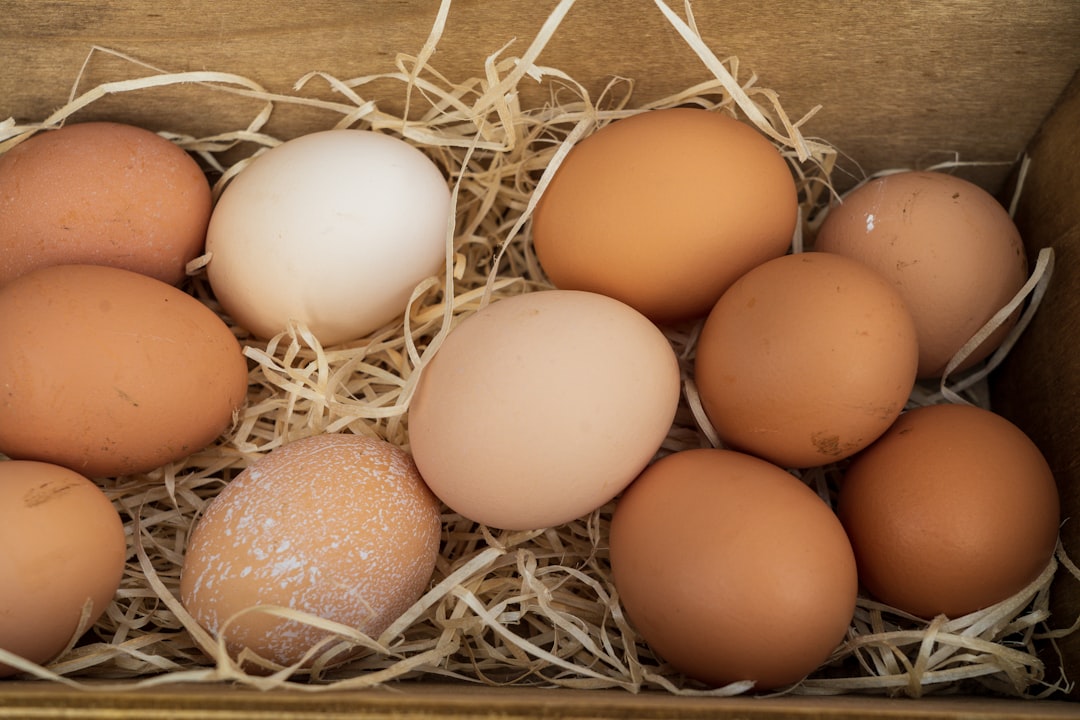
Every September, my kitchen fills up with brand-new cooks. The kids are back in school and suddenly curious about what lands in their lunchboxes. A niece heads off to her first apartment with a cast-off skillet and big plans. Even my husband, after twenty-something years of happy spectating, tends to wander in when the mornings turn cool and the stove starts calling again. And every single one of them, no exceptions, gets the same first assignment I got standing on a step stool beside my grandmother: cook me an egg.
I am not being sentimental, or at least not only. The egg is the cheapest, most honest teacher in any kitchen. A dozen costs less than a sandwich, forgives failure without complaint, and quietly grades you on everything that matters — heat control, timing, seasoning, patience, and how well you actually know your pans. When my test kitchen crew onboards a new helper each fall, we spend an entire week on eggs before anyone touches a knife or a recipe card. The veterans grumble in the way veterans do, and then they eat the results, and the grumbling stops.
If you want the full philosophy of why preparation changes everything, I wrote about the French ritual that ended my weeknight fire drills — everything in its place — and eggs are where that habit earns its keep fastest. Here are the five lessons we teach, in order, and the small handful of tools that make each one easier to learn.
The Scramble That Taught Me Patience
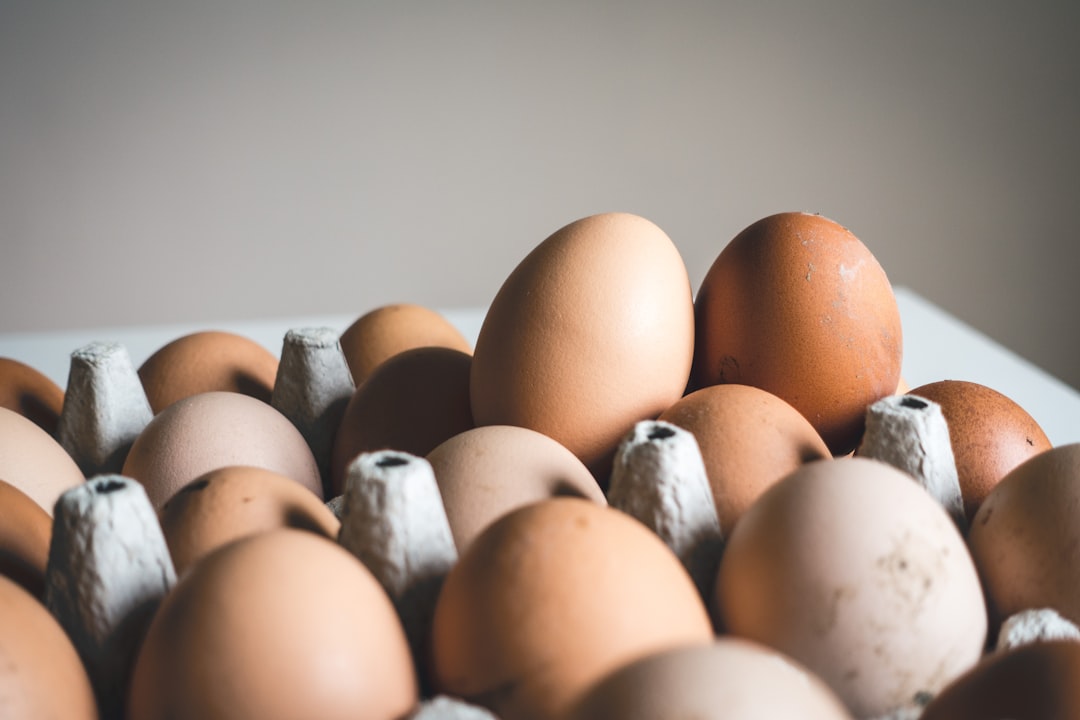
My grandmother made scrambled eggs the texture of velvet, and for years I assumed she owned some secret. She did not. She owned restraint. While diner-style eggs get blasted over high heat and pushed around constantly, her eggs went into a pan barely warmer than bathwater and were stirred slowly, almost lazily, with a spatula held like a spoon you were too polite to clink. Low heat plus gentle motion equals big, soft, glossy curds. Crank the heat and you get the dry, weepy gravel most of us grew up on.
The second trick took me longer to learn because it happens before the stove does. Whisk the eggs in a bowl until completely smooth and a little frothy — thirty seconds of honest effort with a proper balloon whisk, not the sad fork-scramble I practiced for a decade. Then salt them right away and let the bowl sit on the counter for ten or fifteen minutes. The salt gets between the proteins and keeps them from bonding too tightly as they cook, which is why the curds stay tender instead of tightening into rubber. It sounds like folklore. It is chemistry doing you a favor.
From there, it is patience management. Melt a knob of butter over low heat, pour in the eggs, and stir slowly and constantly with a heat-resistant silicone spatula, scraping the bottom and edges as curds form. Pull the pan off the heat while the eggs still look slightly underdone and glossy — carryover heat finishes the job in the thirty seconds it takes to plate them. If you have read my piece about the last thirty seconds rescuing a dish, you already know this is where eggs live or die.
A Fried Egg Is the Most Honest Report Card in My Kitchen
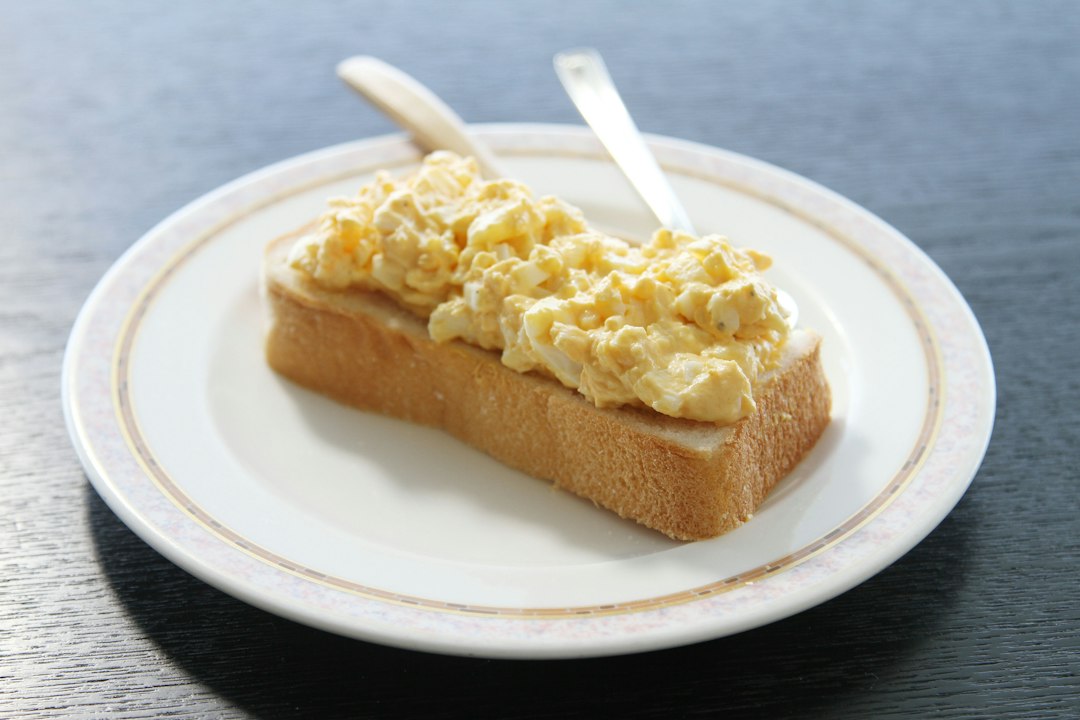
You can learn more about a pan in four minutes of frying an egg than in an hour of searing meat. Eggs announce every flaw: hot spots show up as lacy edges here and raw white there, a tired nonstick coating lets the white weld itself to the metal, and a pan that heats unevenly will serve you a yolk cooked two ways at once. That is why my crew calls the fried egg the report card. It never lies about your equipment or your attention span.
The technique itself is short. Heat a small eight-inch nonstick skillet over medium heat until a pat of butter foams but does not brown — foaming butter is your green light, browning butter means you have already overshot. Slide in the egg, keep the heat steady, and if you want that glossy, just-set white with a molten yolk, tilt the pan and spoon the foaming butter over the top repeatedly until the white turns opaque. Basting cooks the surface gently without flipping, and it makes even a Tuesday breakfast feel deliberate.
I keep a carbon steel skillet for the days I want crisped, lacy edges, and I wrote a whole confession about falling for carbon steel one sticky egg at a time. But when I am teaching a brand-new cook, it is the little nonstick every time. Learn the technique on a forgiving pan first. Graduate to the pan that makes you earn it later.
Poaching Without Fear (Yes, Really)
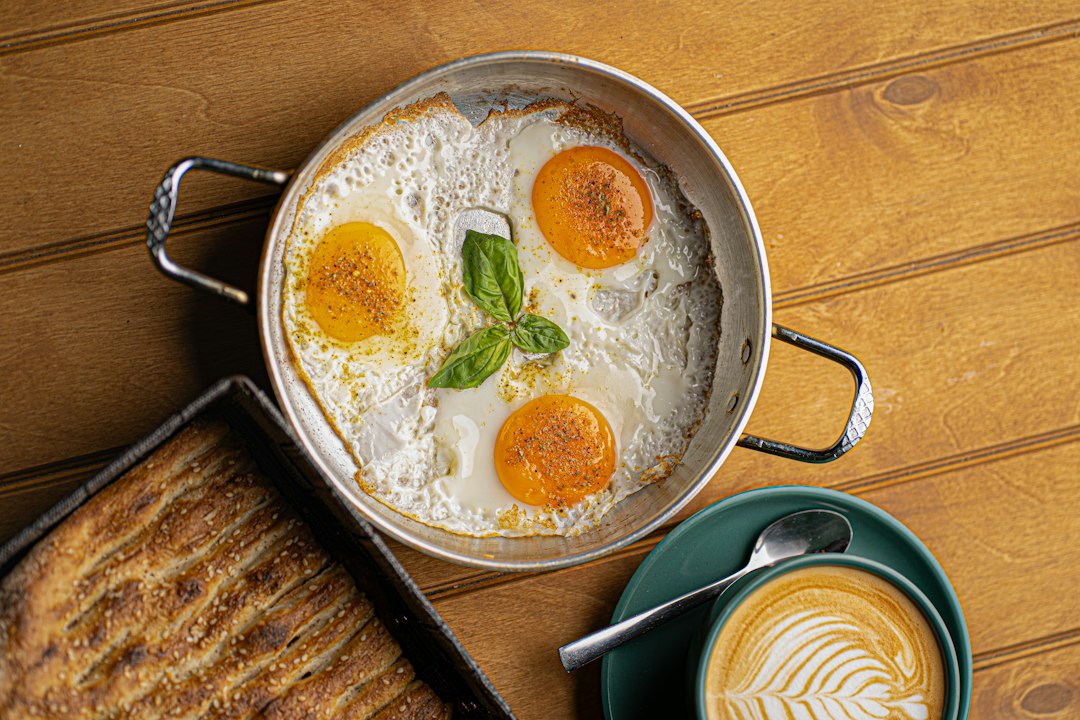
People treat poaching like advanced calculus, and I understand why: the internet is full of swirling vortices, vinegar measurements, and horror stories about wispy ghosts of egg white drifting off to nowhere. But poaching is not difficult. It is a temperature problem disguised as a technique problem. Rolling boiling water tears the egg apart. Water at a bare shiver — think 180 degrees, barely moving, the surface trembling rather than bubbling — sets the white gently and leaves the yolk molten. Get the water calm and you have already won most of the fight.
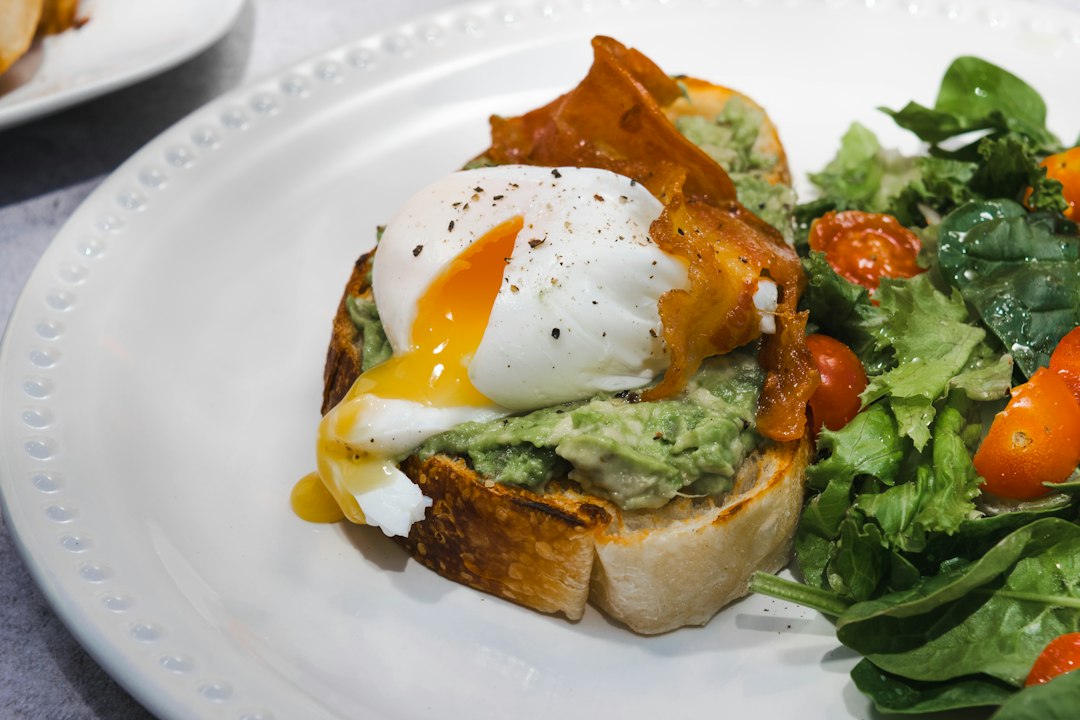
Here is the method we teach. Bring a few inches of water to a bare simmer in a small saucepan with a lid, add a splash of vinegar, and stir it into a gentle vortex. The serious trick: crack each egg into a fine mesh strainer first and let the loose, watery white drain away for twenty seconds, then slide the strained egg into the middle of the swirl. Three minutes later, lift it out with a good slotted spoon, dab the underside on a towel, and set it on whatever deserves it — toast, hash, a bowl of soup, leftover rice reheated with butter.
And if the vortex still feels like too much ceremony on a weekday morning, there is no shame in training wheels. I keep a set of silicone poacher cups in the cabinet for my youngest helpers, who float them right in the simmering water like little boats. The eggs come out round, tidy, and identical, and the pride on the kids’ faces is worth every ounce of the purist credibility I surrender.
Boiled Eggs Reward a Cold Ending
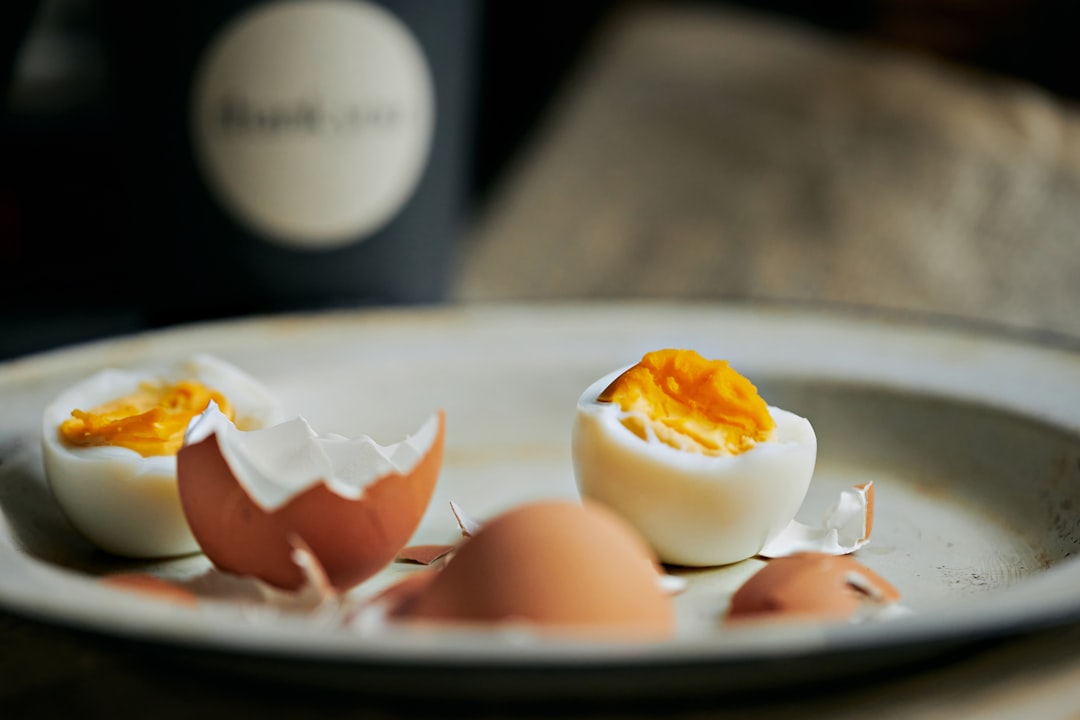
Here is the part nobody tells you: perfect boiled eggs are decided at the beginning and the end, and neither moment is the cooking itself. Start the eggs in already-boiling water — or better yet, steam them in a basket — instead of cold. Dropping them into hot water cooks the outside fast and, more importantly, shrinks the interior just enough to pull it away from the shell. And the moment they are done, into ice water they go. A proper ice bath stops the cooking instantly and shocks that membrane loose. Skip it and you get the gray-green ring around the yolk, the sulfur smell, and the shell that clings like it is making a point about your character.
Two small tools earn their drawer space here. One is an egg piercer, which pokes a pinhole in the wide end so the air pocket vents instead of trying to crack its way out. The other is a color-change egg timer that sits in the pot and shifts from red toward white as the eggs progress, so six minutes of soft and ten minutes of firm stop being a matter of memory. My grandmother would have called both of them nonsense, and then she would have borrowed them, because her soft-boiled mornings ran on an internal clock the rest of us simply were not born with.
For crowds, I will make one confession. The team tolerates exactly one single-purpose appliance in my kitchen, and it is a little electric egg cooker that steams seven eggs and clicks off by itself. Every potluck, every egg-salad batch for the church luncheon, every weekend when the cousins descend — that modest machine quietly produces a dozen peel-perfect eggs while the rest of us are minding the bacon.
The Omelet Forgives No Wandering
Scrambled eggs forgive you. Omelets take attendance. The moment the eggs hit the pan, you are present — pushing the setting curds toward the center with the spatula, tilting the pan so the liquid egg runs into the empty spaces, letting the surface set to just-short-of-done before the filling goes on. Walk away to check your phone and you do not get an omelet; you get a flat egg pancake with a dry bottom and an attitude. That is precisely why it is the final exam in my kitchen. Attention is the only ingredient you cannot buy.
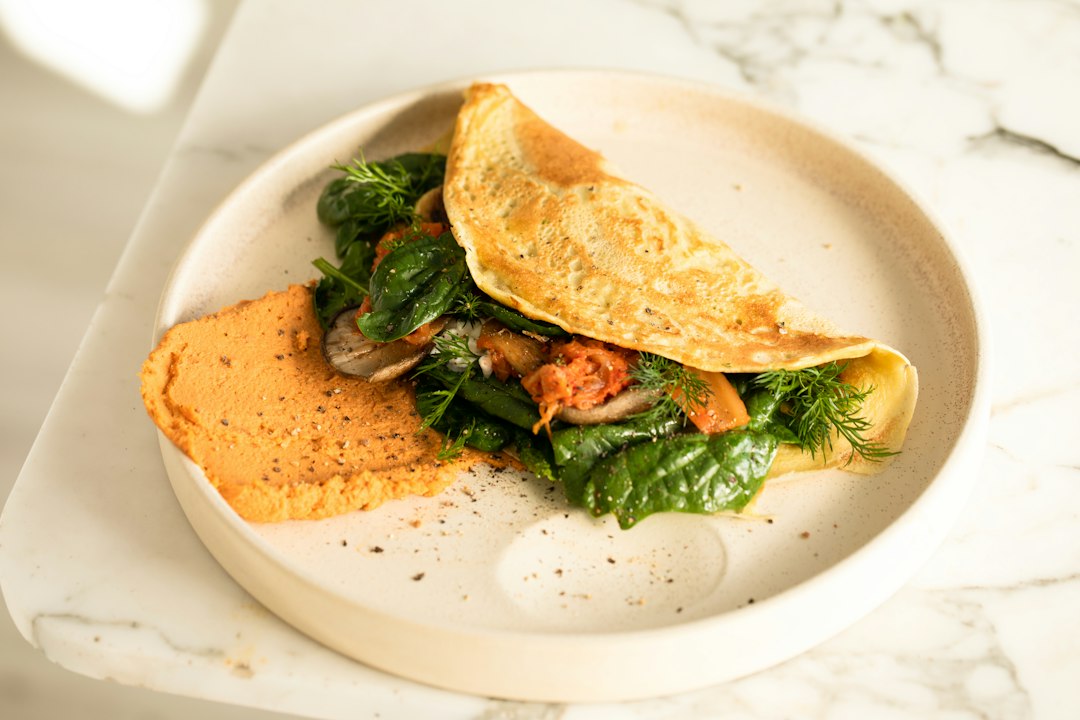
The style you choose is a matter of taste, and my house is diplomatically split. The French version stays soft and pale, folded like a scarf around its filling, finished with herbs. The American diner version sets fully, browns modestly, and folds in half over cheese that has nothing left to prove. Whichever camp you join, the rules from every lesson above still apply: smooth whisked eggs, moderate heat, patience at the edge, and the confidence to roll the fold when the moment arrives — even if the first attempt lands on the plate as what my youngest taster generously calls a “rustic scramble with structural ambitions.”
A Dozen Eggs and a Sunday Morning
Here is the practice plan I hand every new cook in September, and I will hand it to you now. Buy one dozen eggs each weekend for five weeks. Weekend one, scramble — same pan, same heat, until the curds come out soft twice in a row. Weekend two, fry. Weekend three, boil, and pay attention to what the ice bath does. Weekend four, poach, strainer and all. Weekend five, the omelet exam. By the end of the month you will have burned a little butter, fished out a poacher or two, and quietly become the kind of cook who can feed anyone who wanders into the kitchen, using the least glamorous ingredient in the refrigerator.
The egg is where my grandmother started me, where her mother started her, and where I will start whoever asks me next. It teaches everything a cook needs and charges almost nothing for the lesson. Set the table, put the coffee on, and make a celebration of it — because in my kitchen, and I hope now in yours, that is simply what every meal is for.