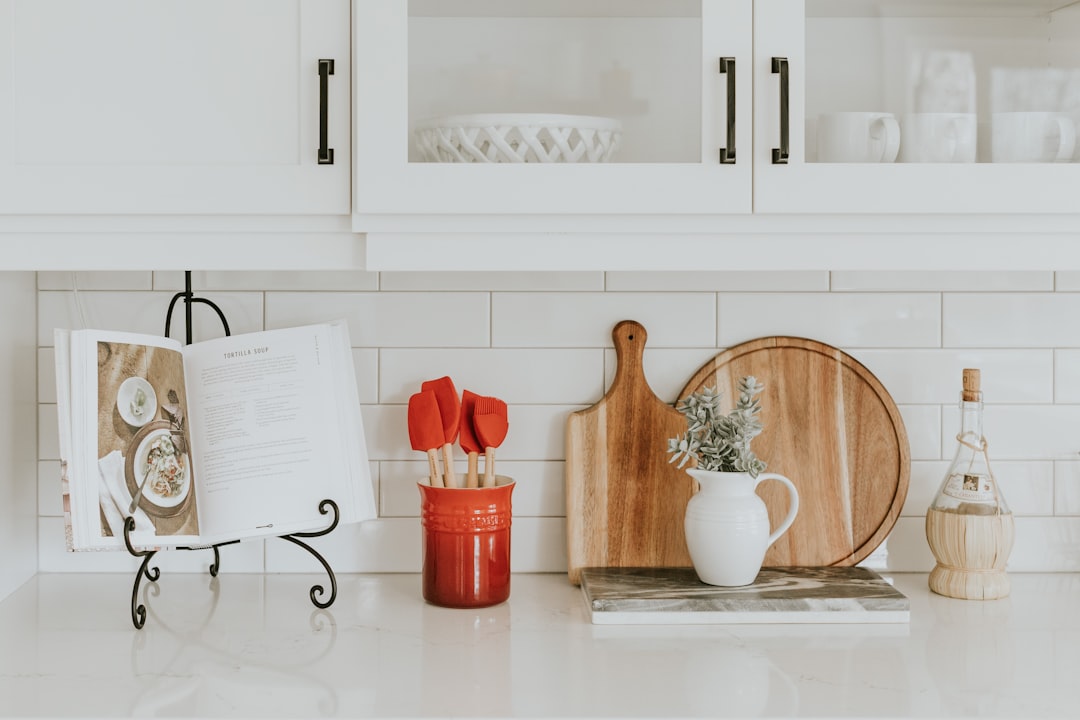
I have a confession that might make my grandmother spin in her grave: for three years, I owned a kitchen gadget drawer so stuffed it required two hands to close. You know the one — it had the avocado slicer next to the strawberry huller, the mango pitter wedged against the egg separator, and at least four different types of zesters I could never tell apart. Every single item in there had seemed like a brilliant idea at the time of purchase, and every single one collected dust after the second use.
Then one Saturday morning, while trying to wrestle the drawer open for a simple measuring spoon, the whole thing jumped its track and deposited its contents across my kitchen floor. Standing there in my slippers, surrounded by seventeen — I counted — single-purpose gadgets I rarely touched, something shifted. I didn’t need better storage. I needed fewer things that did more.
What followed was a ruthless month-long experiment I now affectionately call my “counter space diet.” I challenged myself to empty that drawer completely and replace every function with tools that earned their keep across multiple tasks. The result? Seven — just seven — multi-tasking powerhouses that now handle everything those seventeen gadgets used to do, plus a whole lot more. My drawer glides smoothly, my counters breathe again, and I cook faster than I ever have. Here’s exactly what made the cut and why.
The Japanese Santoku Knife That Retired Four Others
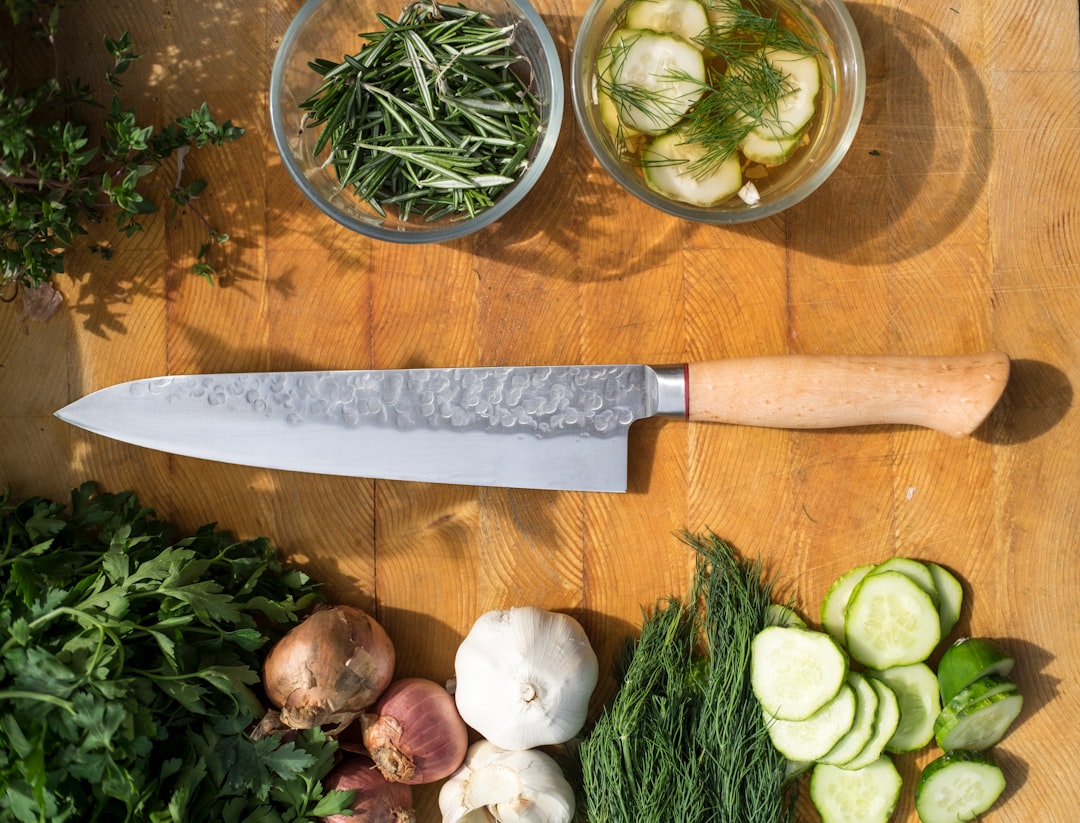
I know what you’re thinking — another knife recommendation. But hear me out, because this one is different. When I finally invested in a proper Japanese Santoku knife, I donated my paring knife, my utility knife, my bread knife, and a mandoline slicer I’d been afraid of anyway. The Santoku’s thinner blade and flatter edge profile make it devastatingly precise for everything from paper-thin tomato slices to butternut squash, and the Granton edge (those little dimples) keeps food from sticking. I use it for mincing herbs, sectioning citrus, carving roasts, and yes, even slicing crusty bread in a pinch. It’s the one tool I reach for before anything else, and as I mentioned when I wrote about the thirty-plus kitchen knives I’ve owned, the right blade eliminates a shocking amount of clutter.
If you’ve ever felt overwhelmed walking into a kitchen store and seeing an entire wall of specialized blades, let me save you the anxiety: one great Santoku and a sturdy serrated utility knife will cover about 95% of everything you’ll ever need to cut. The other 5%? You’ll figure it out, just like I did.
The Cast Iron Skillet: My Oven, Stovetop, and Grill in One
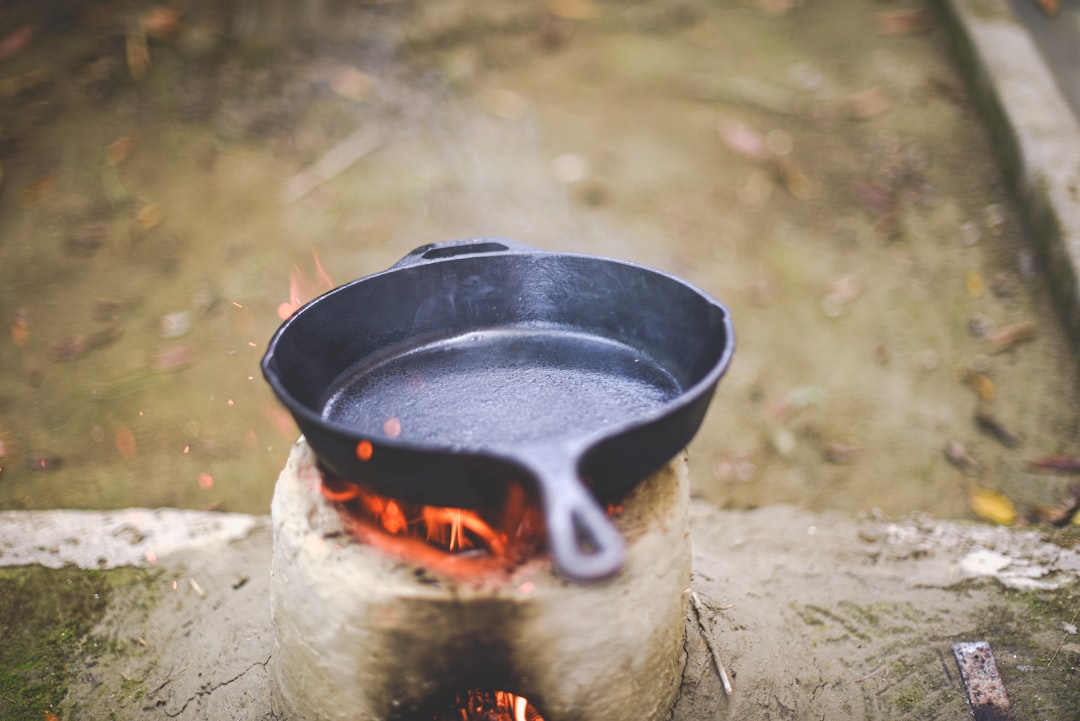
My grandmother’s cast iron skillet was the first “multi-tool” I ever truly understood, even if I didn’t have the vocabulary for it at age eight. She’d use the same pan to fry chicken, bake cornbread, sear steaks, roast vegetables, and even make a stunning upside-down pineapple cake that would make your eyes roll back. That skillet lived on her stove and never once saw the inside of a cabinet.
Today, my own well-seasoned 12-inch cast iron skillet has eliminated my need for a separate grill pan, baking dish, roasting pan, and even a wok for certain stir-fries. It goes from stovetop to oven to table to campfire without missing a beat. I wrote about this love affair at length in my complete cast iron care guide, but the short version is this: nothing else in your kitchen will give you a better sear, more even heat distribution, or more versatility for the price. One pan, unlimited possibilities.
The Bench Scraper Nobody Told You About
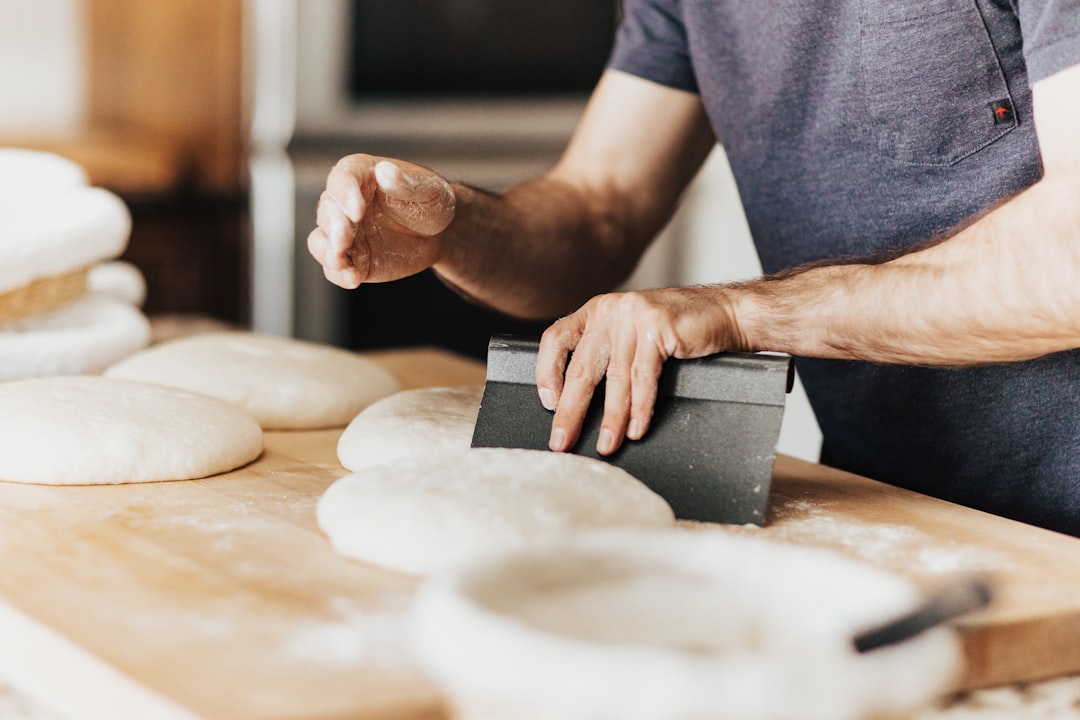
This is the tool that surprises people the most when I show them my pared-down kitchen, and honestly, it surprised me too. A stainless steel bench scraper costs about eight dollars and quietly replaces a ridiculous number of single-purpose gadgets. I use it to divide dough, transfer chopped vegetables from board to pan (way faster than using my hands or a knife), clean stuck-on bits from my cutting board, scrape down my countertops, portion brownies and bars, even open packages when I can’t find scissors. Professional bakers have known about this forever, but home cooks are just catching on.
Since I started tackling my kitchen frustrations head-on, the bench scraper has been the quiet MVP. It’s the kind of tool that makes you wonder why nobody handed you one on your first day of cooking school. Oh, and it takes up about as much drawer space as a credit card.
The Immersion Blender That Buried Three Appliances
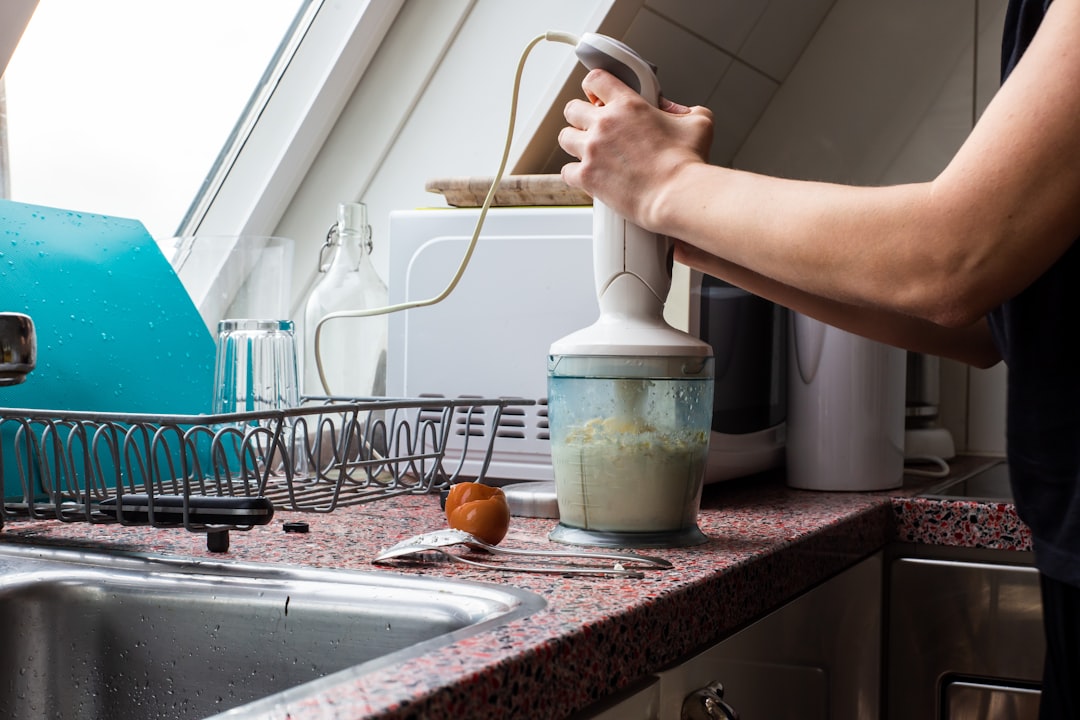
My immersion blender was so useful that it literally buried the need for my full-size blender, my food processor (for most tasks), and a milk frother I’d been using for my morning coffee. This slender wand of wonder lives in a drawer the size of a thermos and emerges to puree soup directly in the pot, whip up a quick smoothie, blend homemade mayonnaise, froth milk, make salad dressings, and even tackle small batches of pesto without hauling out the big processor.
The key insight here is that most of us don’t need industrial-strength blending power for daily cooking. We need something that’s easy to grab, easy to clean, and good enough for the jobs we actually do. When I’m making a big batch of tomato soup or whipping up a quick vinaigrette, the immersion blender is already done before I’d have finished assembling the food processor. It’s the ultimate “low friction” tool — the less effort it takes to use, the more often you’ll actually use it.
The Sheet Pan Empire
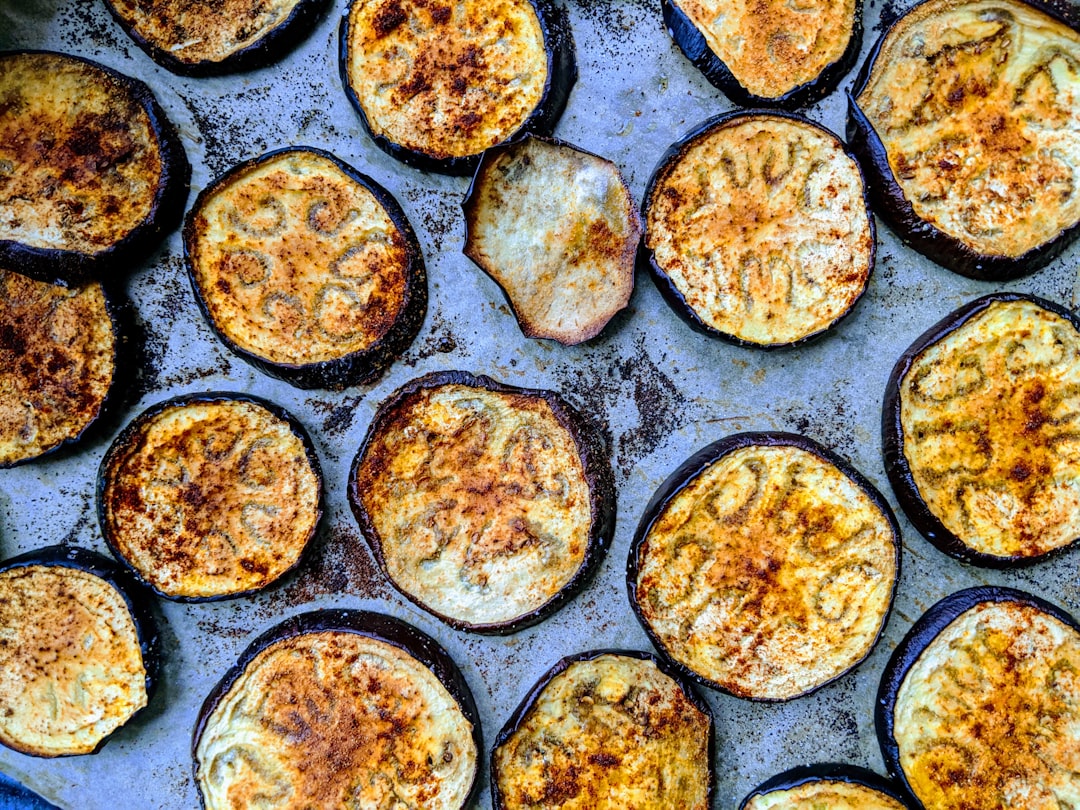
I own exactly two half-sheet pans, and between them, they’ve replaced my roasting pan, my baking sheets, my cooling racks (I rest a wire rack on top), and honestly, most of my casserole dishes. Sheet pan dinners have become a whole genre of cooking for good reason: they’re simple, they’re versatile, and cleanup is almost nonexistent when you line them with parchment or foil.
But here’s what most people miss — those same sheet pans are incredible for so much more than dinner. I use them to organize mise en place while I prep, catch messes under cutting boards, toast nuts and spices evenly, proof and bake bread, dehydrate fruit, freeze items flat before bagging, and even serve as a makeshift tray for carrying everything to the grill. When I did my summer pantry reset, the sheet pans were my organizing surface for sorting and categorizing everything. They’re the kitchen workhorse you don’t realize you’re underutilizing.
Silicone Spatula Set: The Quiet Conqueror
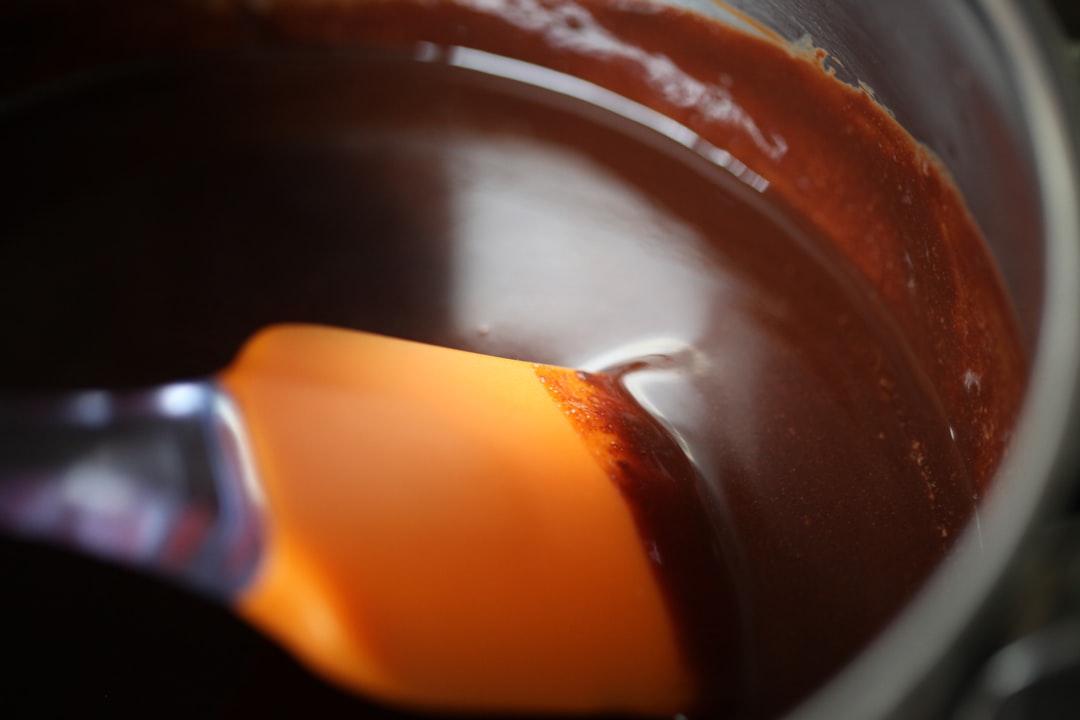
A good heat-resistant silicone spatula set — I’m talking a spoon spatula, a jar spatula, and a flat scraper — took the place of my wooden spoons, rubber scrapers, icing spreader, batter spoon, and that weird little flexible turner I could never find when I needed it. The magic of high-quality silicone is that it’s safe to use on non-stick surfaces, won’t harbor bacteria in cracks like wood can, withstands temperatures up to 600°F, and scrapes every last bit of batter from a bowl with satisfying precision.
The jar spatula alone has saved me hundreds of dollars over the years. You know how you throw away a peanut butter jar or a mayonnaise container when there’s still a good two tablespoons clinging to the sides and bottom? The jar spatula has a narrow, angled head that reaches every corner and curve, rescuing that last bit. Over months and years, that recovered food adds up. It’s a small thing that makes a big difference, and it’s exactly the kind of practical efficiency I look for in every tool that earns counter or drawer space in my kitchen.
The Instant-Read Thermometer: Confidence in Your Pocket
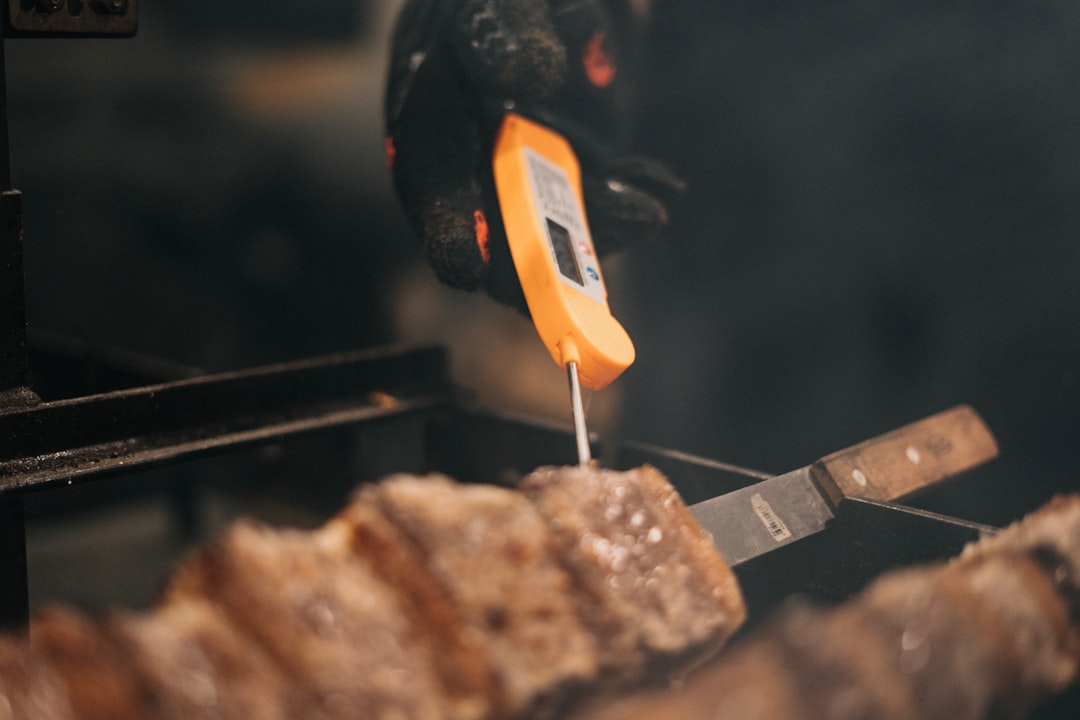
I saved this one for last because it’s the most transformative tool on the list, even though it doesn’t “replace” another gadget in the traditional sense. What a quality instant-read meat thermometer replaces is guesswork, anxiety, and ruined proteins. Before I started using one consistently, I overcooked more chicken breasts, pork chops, and steaks than I care to admit. I’d cut into a beautiful piece of fish “just to check” and watch the juices run out. I’d poke at a roast and try to divine doneness from how it felt, like some kind of kitchen fortune teller.
The instant-read thermometer changed all of that overnight. Now I cook with complete confidence, knowing exactly when to pull chicken at 165°F, steak at 130°F for medium-rare, and pork at 145°F. No more cutting, no more guessing, no more serving hockey pucks to apologetic dinner guests. It’s the single tool that elevated my cooking from “pretty good” to “reliably excellent,” and it takes up less space than a pen. If you only buy one thing from this list, make it this.
What I Actually Miss (Spoiler: Not Much)
People always ask if I regret getting rid of anything. The honest answer? I briefly missed my garlic press, then I learned that mincing garlic with my Santoku takes about twelve seconds longer and produces better results. I thought I’d miss my apple slicer, but cutting around the core with a knife gives you more usable fruit. The spiralizer gathered dust the moment I realized a julienne peeler does the same job in a quarter of the storage space.
The truth about kitchen gadgets is that most of them solve problems that don’t really exist — or at least, problems that a sharp knife and a little technique can handle just fine. The kitchen industry wants you to believe you need a specific tool for every specific task because that’s how they sell you seventeen things instead of seven. But the cooks I admire most — the ones who produce incredible meals night after night without breaking a sweat — almost all work from surprisingly sparse kitchens. They understand what took me three decades and a broken drawer to figure out: the best kitchen is the one with room to actually cook in.
Building Your Own Counter Space Diet
If you’re looking at your own gadget drawer right now and feeling inspired to thin the herd, here’s my advice. Start by pulling out every single item and sorting them into three piles: things you used this week, things you used this month, and things you haven’t touched in over a month. Be honest. That third pile is your donation box, and it’s probably bigger than you expect.
Then, before you replace anything, think about which single tools can handle multiple jobs. Look for items made from durable materials (stainless steel, cast iron, high-quality silicone) that have simple, proven designs. Read reviews from people who actually cook daily, not influencers who photograph kitchen props. And remember — the goal isn’t minimalism for its own sake. The goal is a kitchen that works so smoothly you forget to be frustrated by it.
Seven tools. That’s all it took to transform my cooking from cluttered chaos into something that feels genuinely effortless. Your list might look slightly different than mine, and that’s perfectly fine. The point isn’t the specific seven — it’s the principle behind them. Choose tools that pull their weight across multiple tasks, invest in quality over quantity, and give yourself the gift of counter space. Your kitchen, and your sanity, will thank you.
4 thoughts on “The Counter Space Diet: 7 Multi-Tasking Kitchen Tools That Replaced My Entire Gadget Drawer”